
As military helicopter technology evolves toward high-speed hybrid and tilt-rotor aircraft, India’s Indian Multi-Role Helicopter (IMRH) is following a different design philosophy centered on high-altitude operations and heavy-lift capability rather than maximum speed. Developed by Hindustan Aeronautics Limited (HAL), the helicopter has been tailored to meet the operational needs of the Indian Armed Forces across the Himalayas.
Unlike advanced rotorcraft such as the Bell V-280 Valor and Airbus Racer, which use tilt-rotor or hybrid propulsion systems to achieve speeds of 400 to 550 km/h, the IMRH relies on a conventional main rotor design. While its maximum speed is expected to be around 260–280 km/h, the platform offers superior hovering performance and payload capability at altitudes approaching 6,000 meters, making it ideal for operations in Siachen, Ladakh, and other high-altitude regions.
HAL’s design reflects the operational realities of mountain warfare. Although hybrid propulsion systems offer greater speed, they also increase weight, maintenance complexity, and power demands, which can negatively affect performance in low-density, high-altitude air. For the Indian military, reliable hover capability and payload capacity remain significantly more important than higher transit speeds.
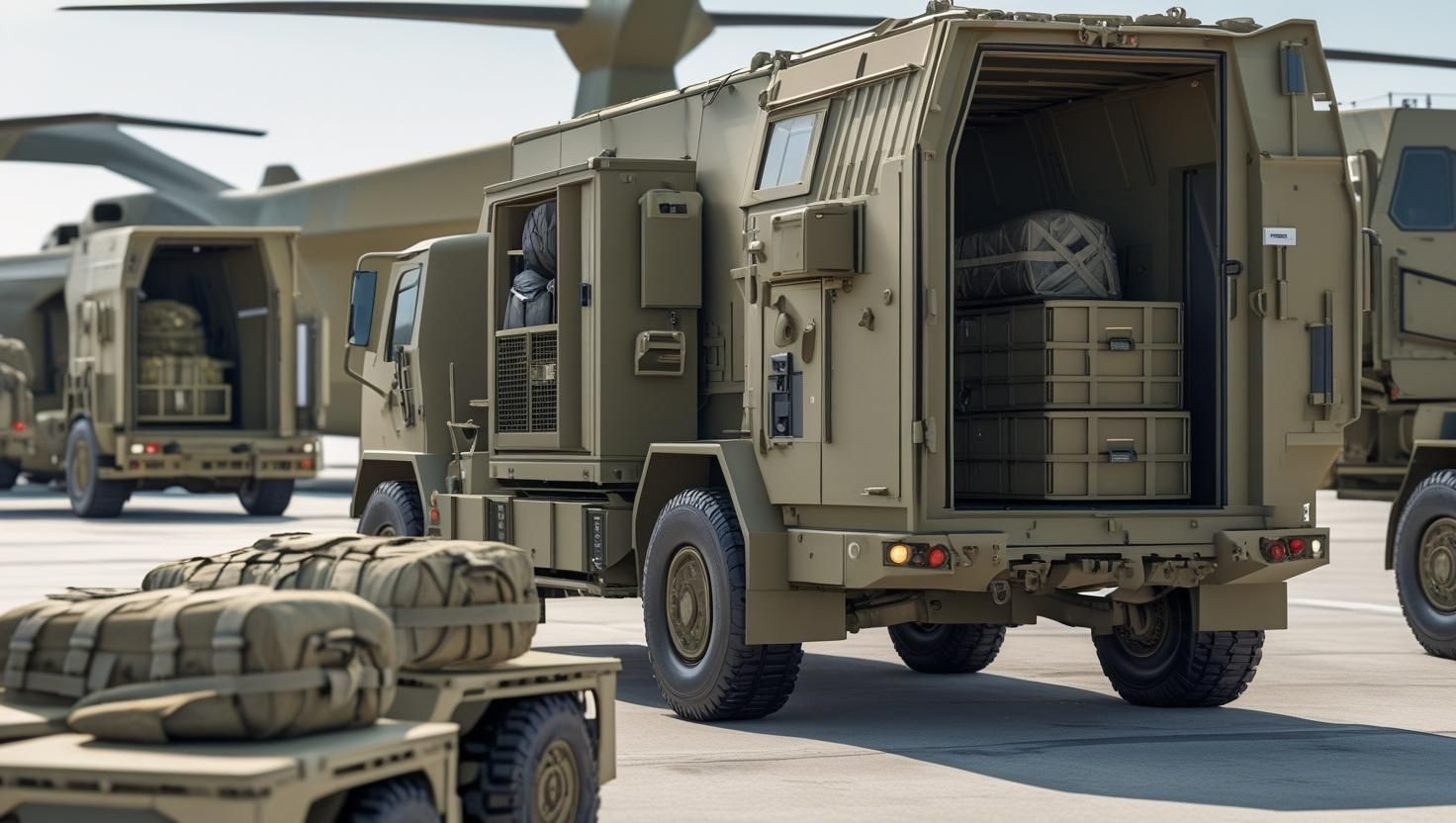
The IMRH is designed to excel in missions such as troop transport, casualty evacuation, logistics support, and special operations, where helicopters frequently operate without established landing zones.
Internally, however, the IMRH incorporates a range of advanced technologies that place it among the next generation of military rotorcraft.
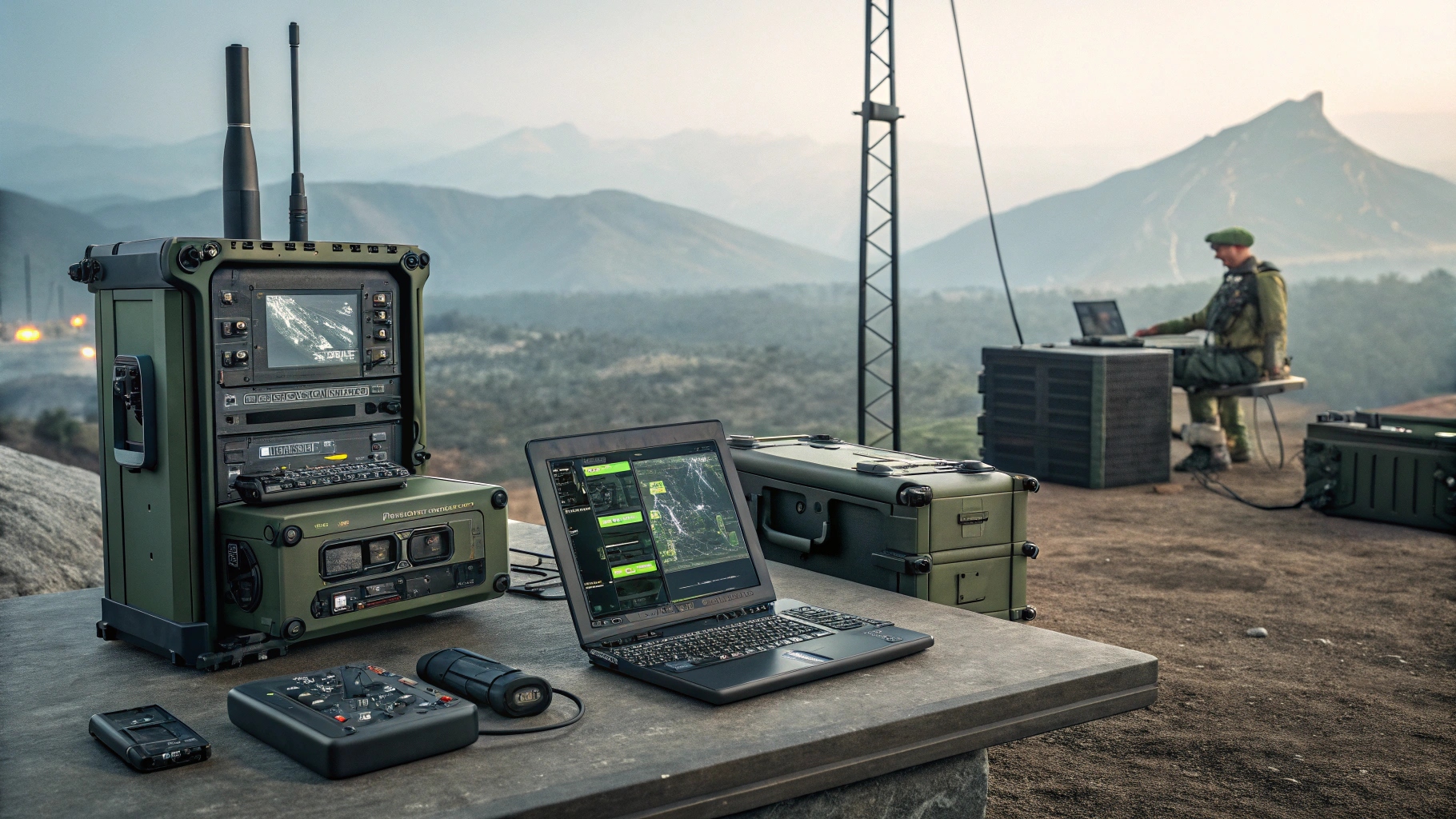
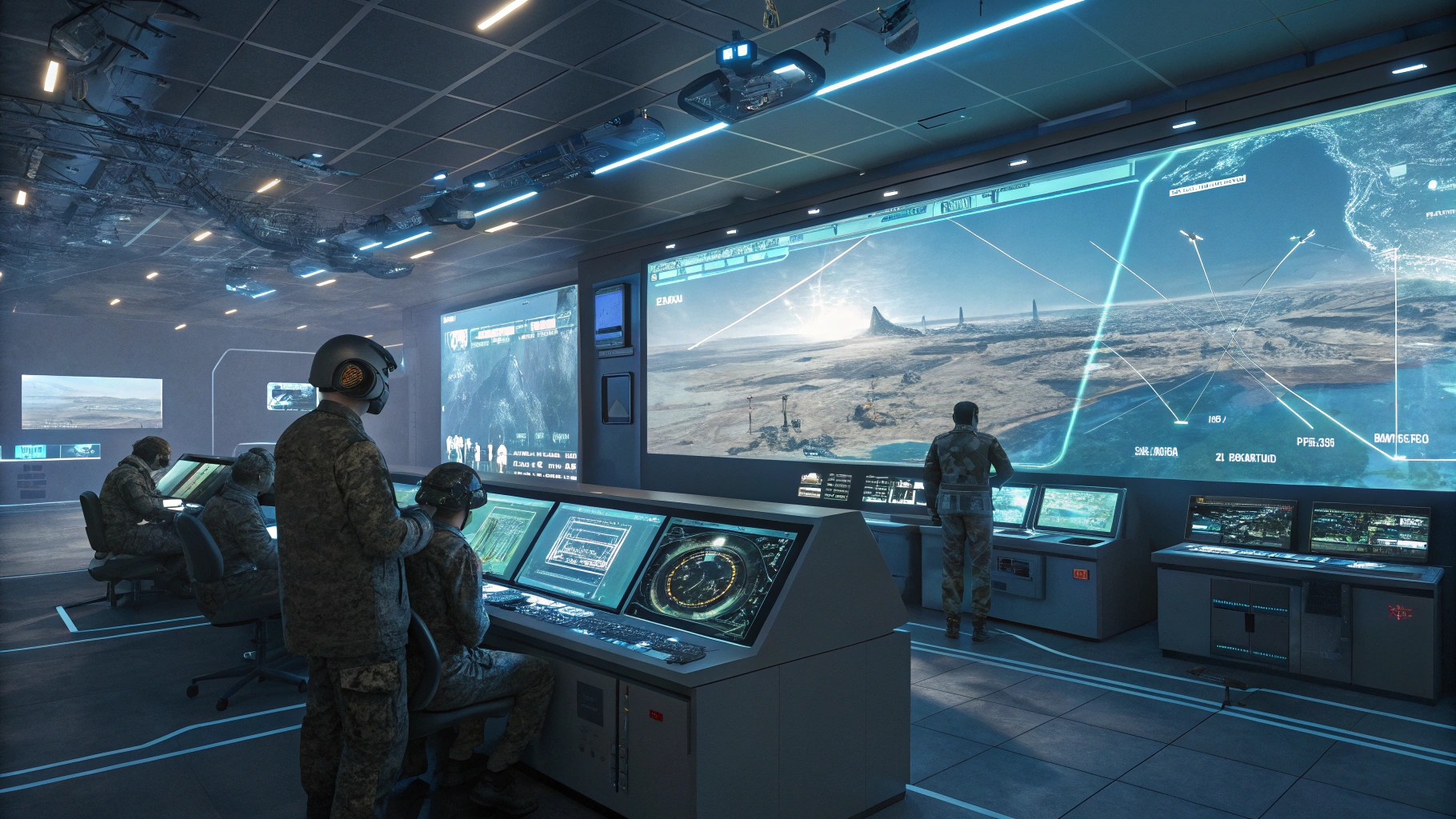
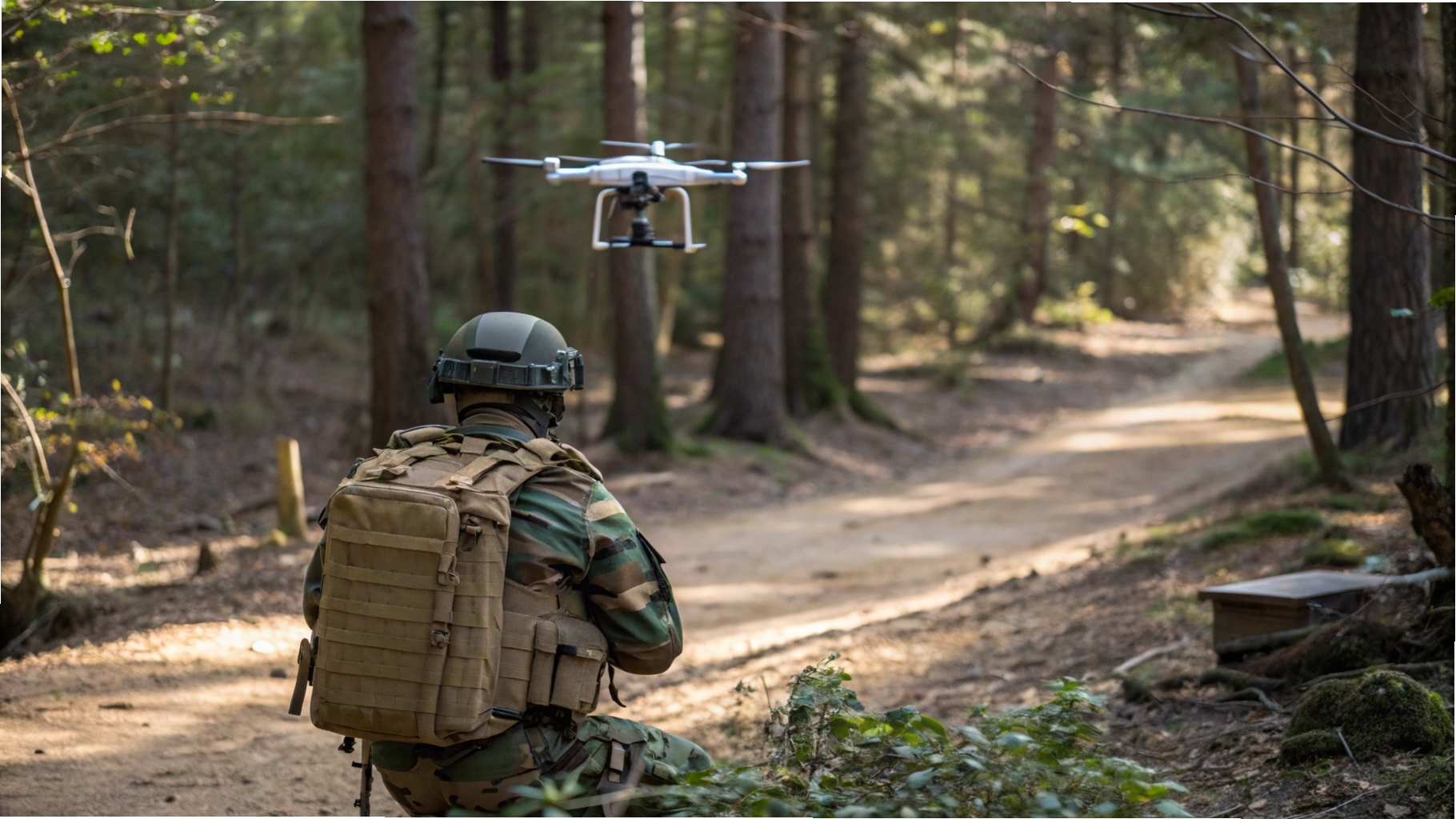
A major capability is its Manned-Unmanned Teaming (MUM-T) architecture, enabling the helicopter to coordinate and control indigenous unmanned platforms, including swarm drones like the Sheshnaag-150. This allows reconnaissance, surveillance, and strike missions to be conducted remotely while keeping the helicopter outside hostile engagement zones.
The aircraft will feature a fully digital smart cockpit supported by artificial intelligence-driven mission assistance, improving pilot decision-making, reducing workload, and increasing mission effectiveness during complex combat operations.
More than 60% of the helicopter’s structure will consist of advanced composite materials, reducing weight while improving durability and crash resistance. These design improvements are particularly valuable for operations in challenging mountainous terrain where safe landing conditions are often limited.
HAL is also incorporating autonomous flight-assistance technologies that can automate selected flight functions, improve operational safety, and reduce pilot fatigue. These capabilities reflect a broader shift in military aviation, where software, automation, and intelligent mission systems are becoming as important as aerodynamic performance.
In the global helicopter landscape, the IMRH fills a specialized role. While aircraft like the V-280 Valor prioritize speed and strategic mobility and the Airbus Racer focuses on rapid-response missions, India’s IMRH has been purpose-built to deliver exceptional high-altitude performance, heavy-lift capability, and sustained operations in some of the world’s most demanding environments.