
A year after Operation Sindoor showcased the increasing importance of precision long-range strike capability in contemporary warfare, the Indian Army is reportedly moving toward full digital integration and automation of its land-based firepower chain through a new indigenous platform called the Land Vectors Control and Coordination System (LVCCS).
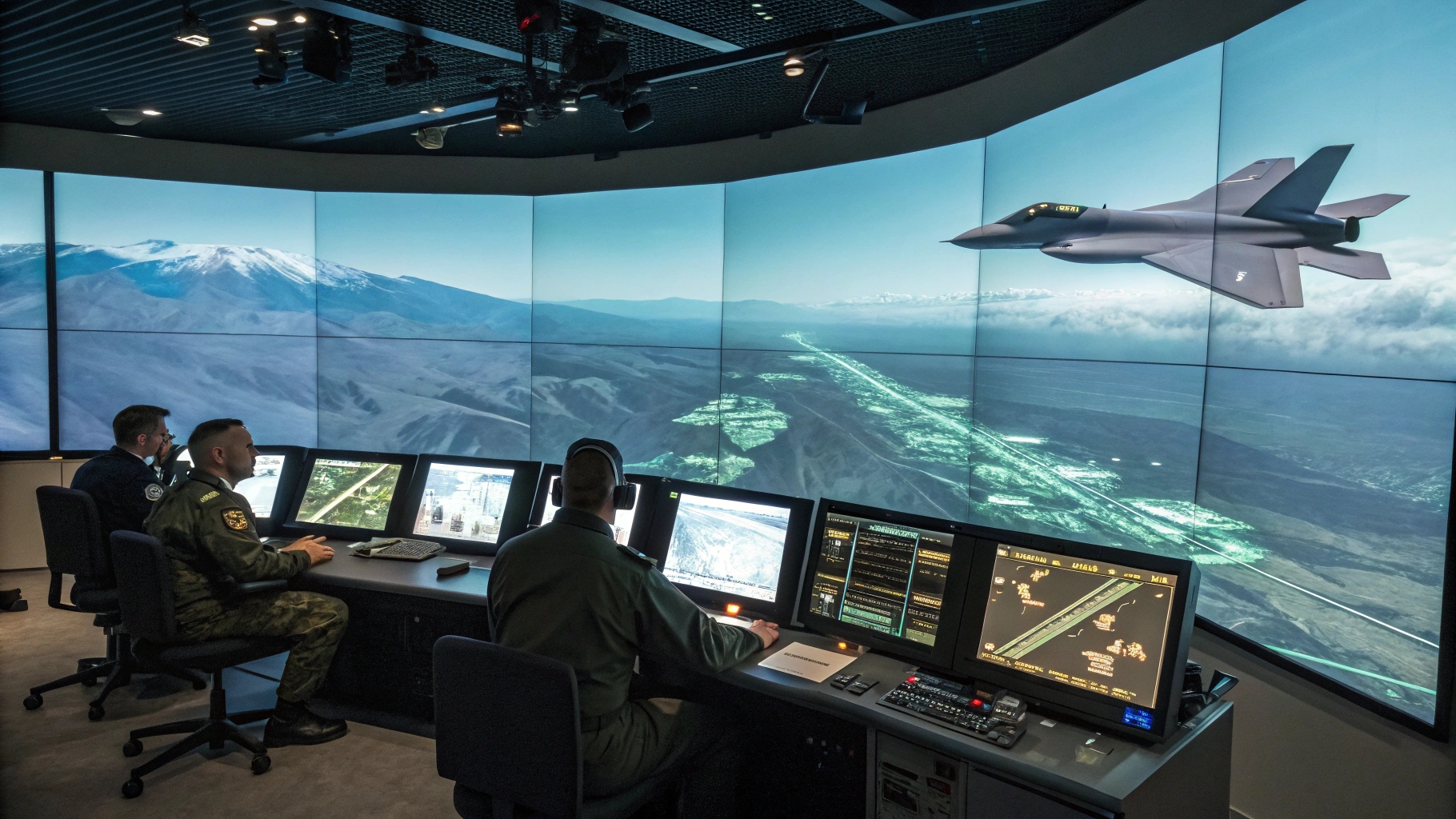
The ambitious initiative seeks to merge target observation, acquisition, strike planning, fire execution, and battle damage assessment into a single integrated command framework covering all Army-operated land-based strike systems. The programme reflects the Army’s shift toward network-enabled warfare, faster sensor-to-shooter cycles, and enhanced real-time battlefield coordination.
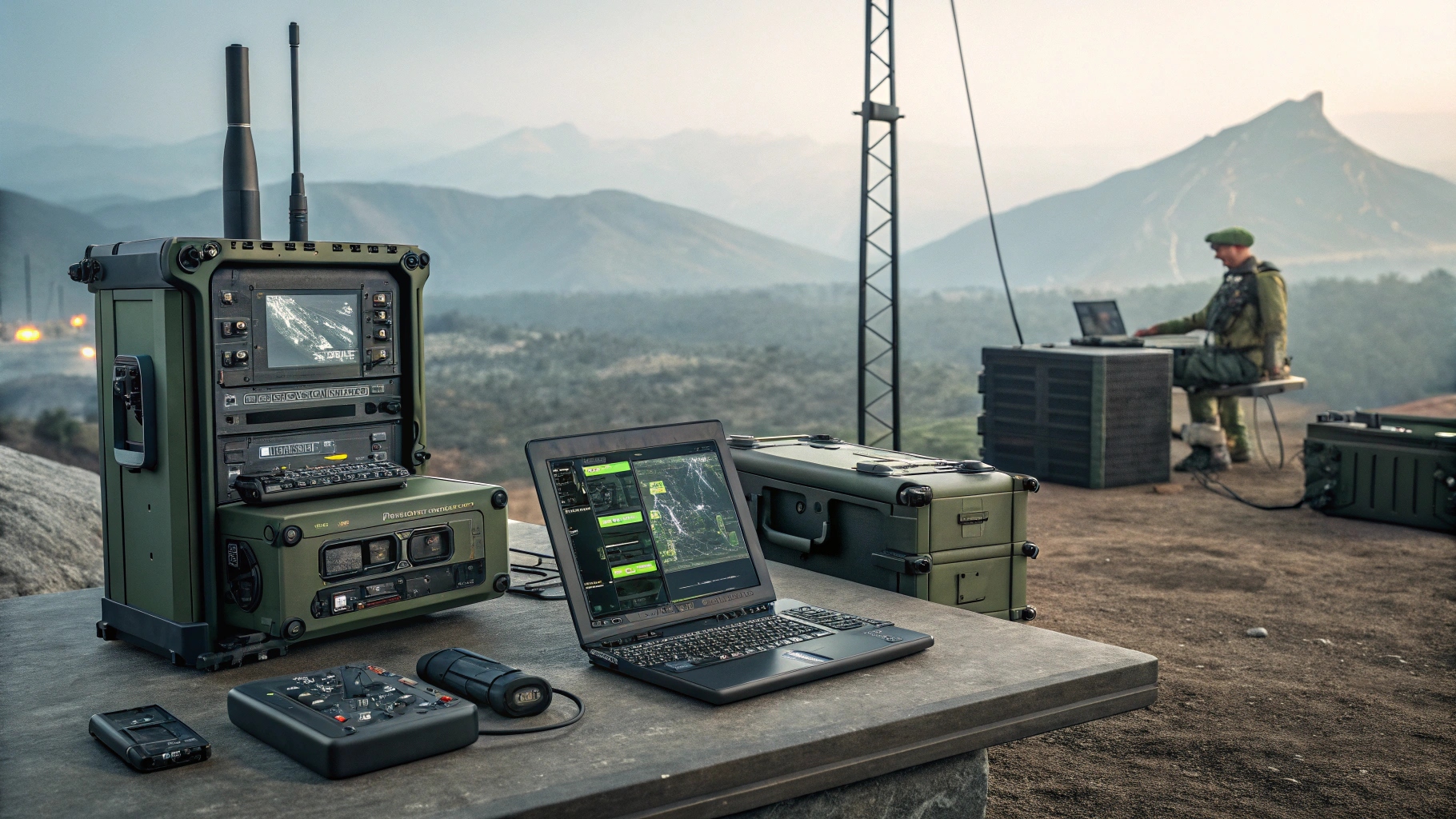
LVCCS is being developed as a regiment-level application with the ability to interface with the Army’s existing Battlefield Surveillance System. Once introduced, the platform is expected to significantly reduce strike response times while improving coordination among artillery formations, missile systems, rocket batteries, loitering munitions, and surveillance assets deployed across operational theatres.
The effort follows the operational success of Operation Sindoor in May 2025, when Indian artillery formations reportedly conducted precision attacks on terrorist camps and military infrastructure across the Pakistan border. The operation represented a major advancement in the Army’s deployment of precision-guided artillery and rapidly deployable strike assets.
One of the defining moments of Operation Sindoor was the use of M-777 Ultra-Light Howitzers equipped with precision-guided ammunition in Jammu and Kashmir. The mission also marked the first publicly known case of a specialist artillery regiment being air-mobilised under wartime secrecy conditions for operational deployment.
The operation’s success led to official honours for key personnel. Colonel Koshank Lamba of the 302 Medium Regiment and Lieutenant Colonel Sushil Bisht of the 1988 (Independent) Medium Battery were awarded the Vir Chakra for their contribution to the planning and execution of precision artillery operations that reportedly resulted in the complete destruction of enemy targets.
LVCCS is expected to play a central role in the Army’s long-term battlefield digitisation roadmap. Eventually, the system will integrate with India’s broader C4I2 architecture, the tri-service operational network designed to coordinate military operations across land, air, maritime, cyber, and space environments.
Within this framework, LVCCS will provide advanced tactical and technical fire-control capabilities for a wide spectrum of strike systems, including missiles, rockets, guns, howitzers, mortars, and loitering munitions. The system is intended to deliver faster, more accurate fire missions while ensuring efficient use of available strike assets.
Military planners see LVCCS as a digital backbone for integrated fire management, deployment coordination, logistics support, and battlefield information handling. It will enable higher command headquarters to transmit fire-control directives directly to regiment-level formations while supporting rapid engagement updates, follow-on strikes, and dynamic battlefield adjustments during ongoing operations.
The platform is also expected to enhance theatre-level strike planning by enabling simultaneous engagements across multiple operational sectors while allowing commanders to modify strike parameters in real time based on evolving combat conditions.
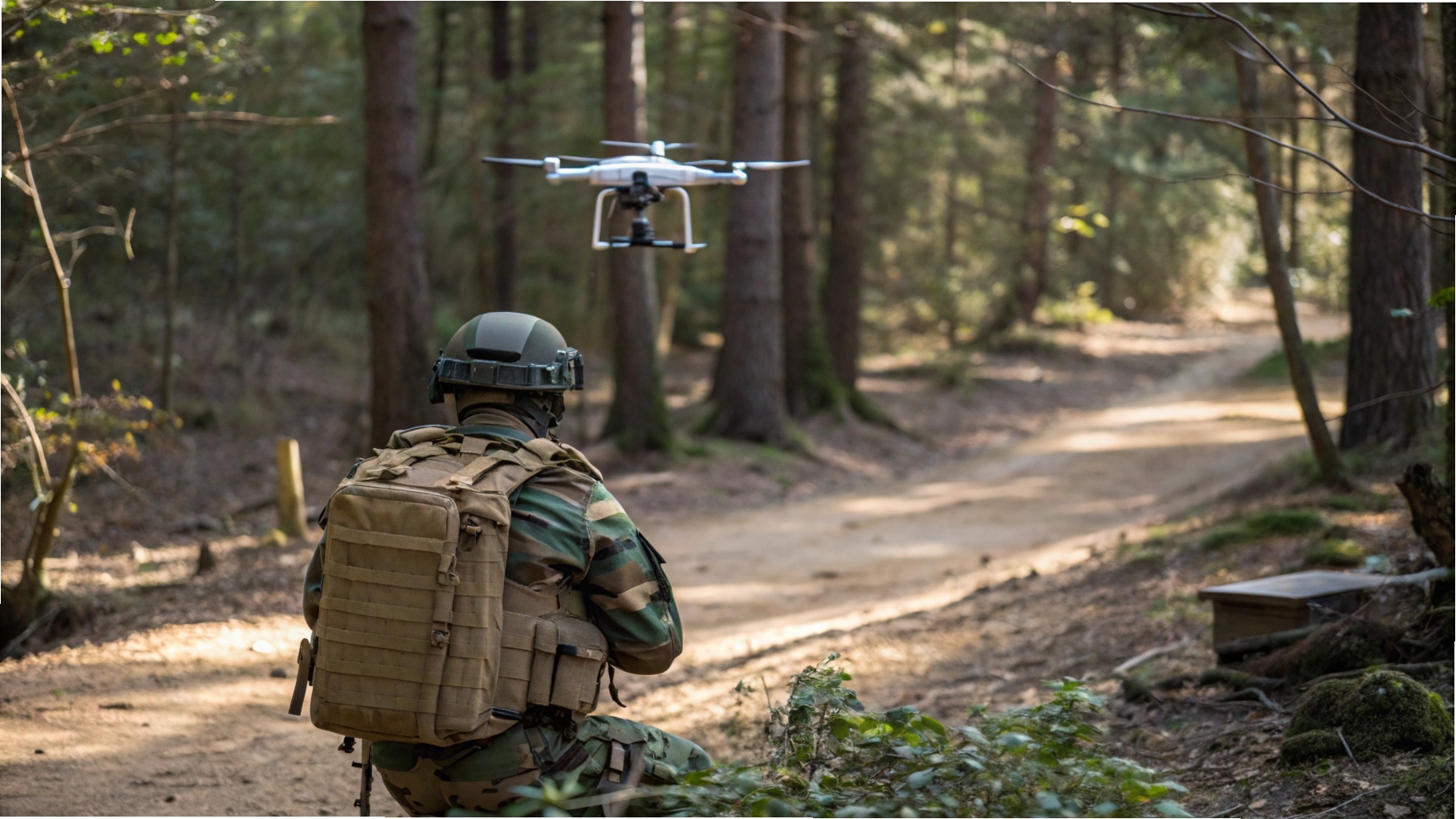
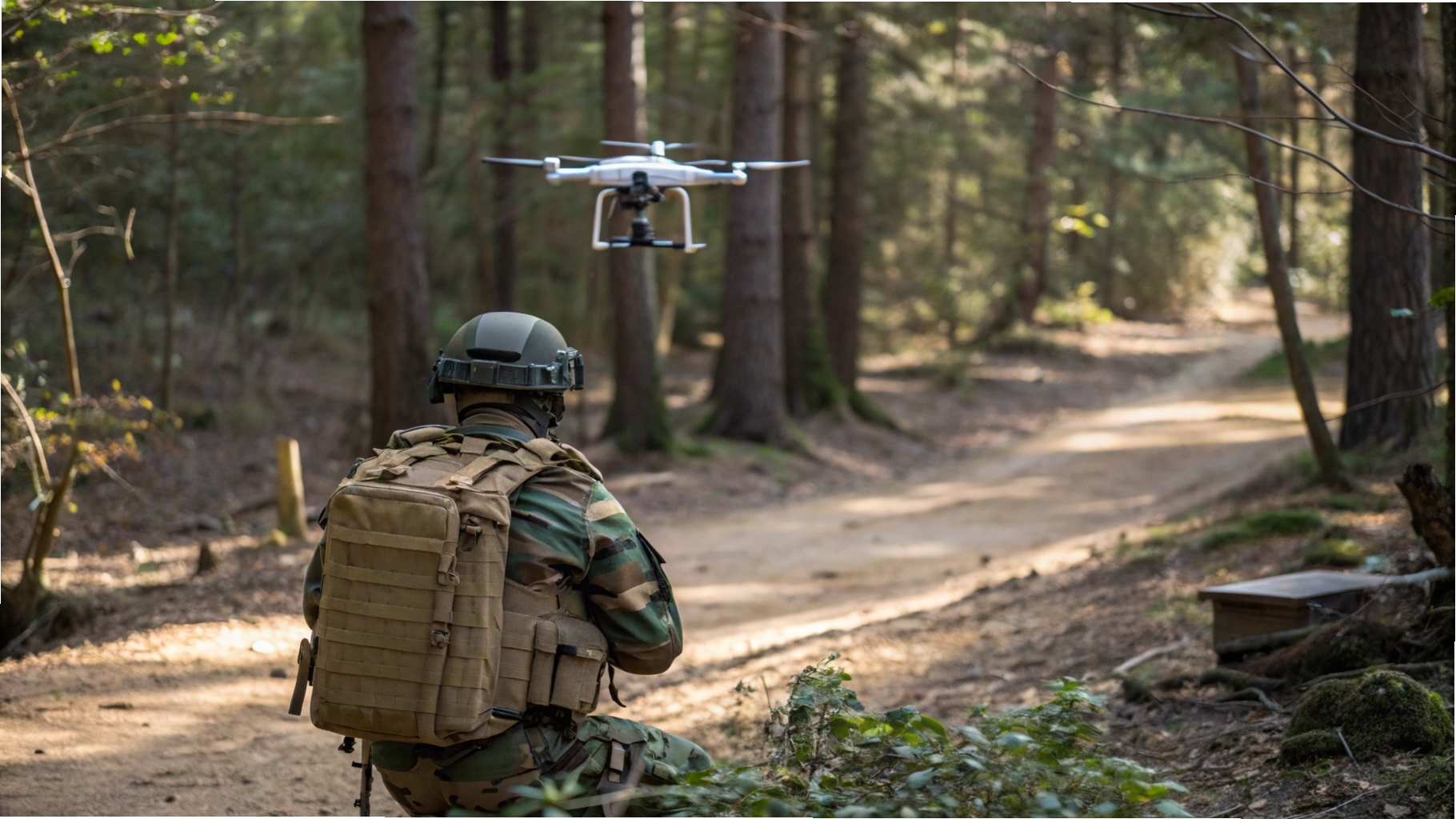
Among its most significant planned capabilities is the fusion of targeting information from multiple sensor and intelligence sources. These include battlefield surveillance systems, observation drones, intelligence feeds, and command platforms such as the Command Information and Decision Support System (CIDSS).
Importantly, the system will also allow artillery strikes to be guided using targeting data generated by non-artillery assets, greatly expanding the Army’s sensor-to-shooter ecosystem and improving battlefield responsiveness.