
Spanish defense technology firm Indra Sistemas has established a national consortium to build an advanced AESA-based counter-battery radar for the Spanish Army. The initiative follows a 30-million-euro ($35 million) contract awarded in December, with the system expected to be completed by November 2028.
The project, titled Radar for Locating the Origin of Indirect Fire, includes participation from Spanish companies such as GMV, Nord Motorreductores, and SMEs including Niasa, Teyde 2010, and AC Precisión. Once operational, the system will replace the Army’s aging AN/TPQ-36 Firefinder radar, which has been in service since 1989. The program emphasizes national industrial participation, with more than 80 percent of development and production work assigned to Spanish companies.
Indra will lead coordination of the project, with work distributed across several Spanish regions. Systems engineering and integration will take place in Madrid, while the development of advanced sensors and Gallium Nitride technologies will be carried out in Vigo. Meanwhile, Córdoba will host the creation of a radar-focused industrial hub in partnership with a local university, and mechanical as well as electromechanical components will be manufactured in the Basque Country, Aragón, and Catalonia.
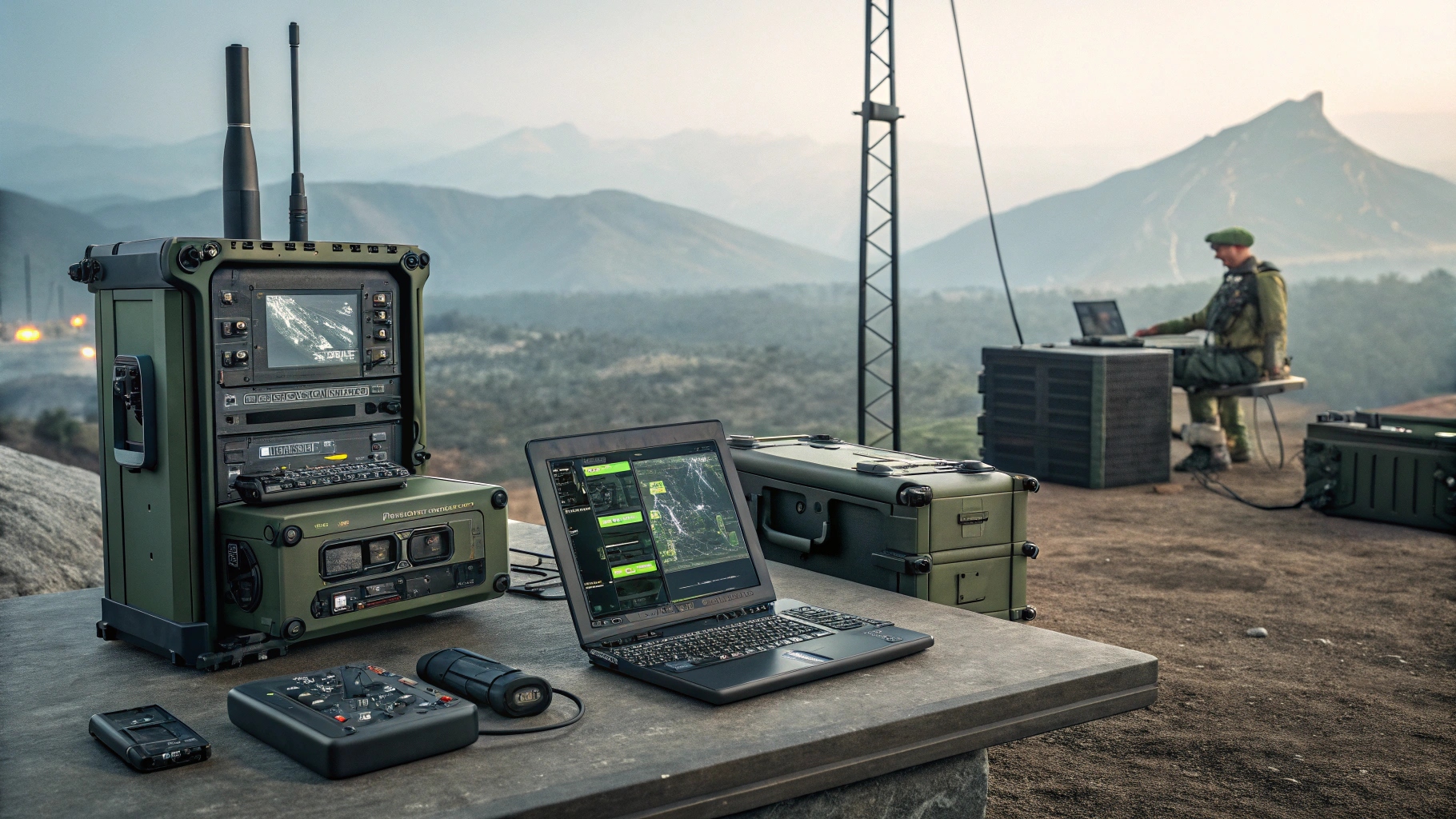
The radar will employ Gallium Nitride semiconductor technology along with software-defined radio communications, enabling extended detection range, higher precision in locating artillery fire, and strong resilience against electronic warfare interference. Gallium Nitride allows AESA radars to operate at higher power densities than earlier materials like Gallium Arsenide, significantly improving efficiency, range, and system durability.
Recent battlefield lessons from the Russia-Ukraine War have reinforced the need for rapid detection and counter-fire response. The new system will feature highly automated operation, reducing the burden on personnel while integrating fully with modern command-and-control networks. Beyond counter-battery missions, it will also support ground surveillance, base protection, and coastal monitoring, offering a versatile capability for Spain’s armed forces. 🚀