
Rheinmetall has completed its acquisition of Naval Vessels Lürssen, marking the formation of a more integrated German naval shipbuilding and maritime systems capability aimed at serving Germany and NATO partners.
The defense company closed the transaction on March 1 after receiving regulatory clearance, bringing the military shipbuilding division of the Lürssen Group under Rheinmetall’s control. Although the financial value of the deal remains undisclosed, Rheinmetall described the move as a key strategic milestone that strengthens its position in the naval domain and consolidates advanced maritime production within Europe.
According to CEO Armin Papperger, combining Rheinmetall’s defense technology portfolio with NVL’s shipbuilding expertise will create a full-spectrum maritime supplier capable of delivering modern surface warships and autonomous naval platforms. The expanded maritime division is expected to address growing demand from naval forces as governments increase defense spending and adapt to new maritime security challenges. Future vessels are expected to integrate digital architecture, advanced sensors, weapons systems, and autonomous technologies.
The acquisition follows a September 2025 agreement that set the framework for integrating NVL’s facilities and around 2,100 employees into Rheinmetall’s maritime business structure.
Germany Strengthening Naval Capabilities
The move aligns with a broader wave of naval modernization programs in Germany. In February 2025, NVL laid the keel of the German Navy’s first Type 424 signals intelligence ship, part of a three-ship program intended to replace the older Type 423 class. The project also includes a dedicated training center for crews, with the first vessel expected to be delivered in 2027.
Construction of the first Type 424 vessel had earlier begun in November 2024 at NVL’s Wolgast shipyard, marking the launch of production for the next-generation reconnaissance fleet scheduled to enter service between 2029 and 2031.
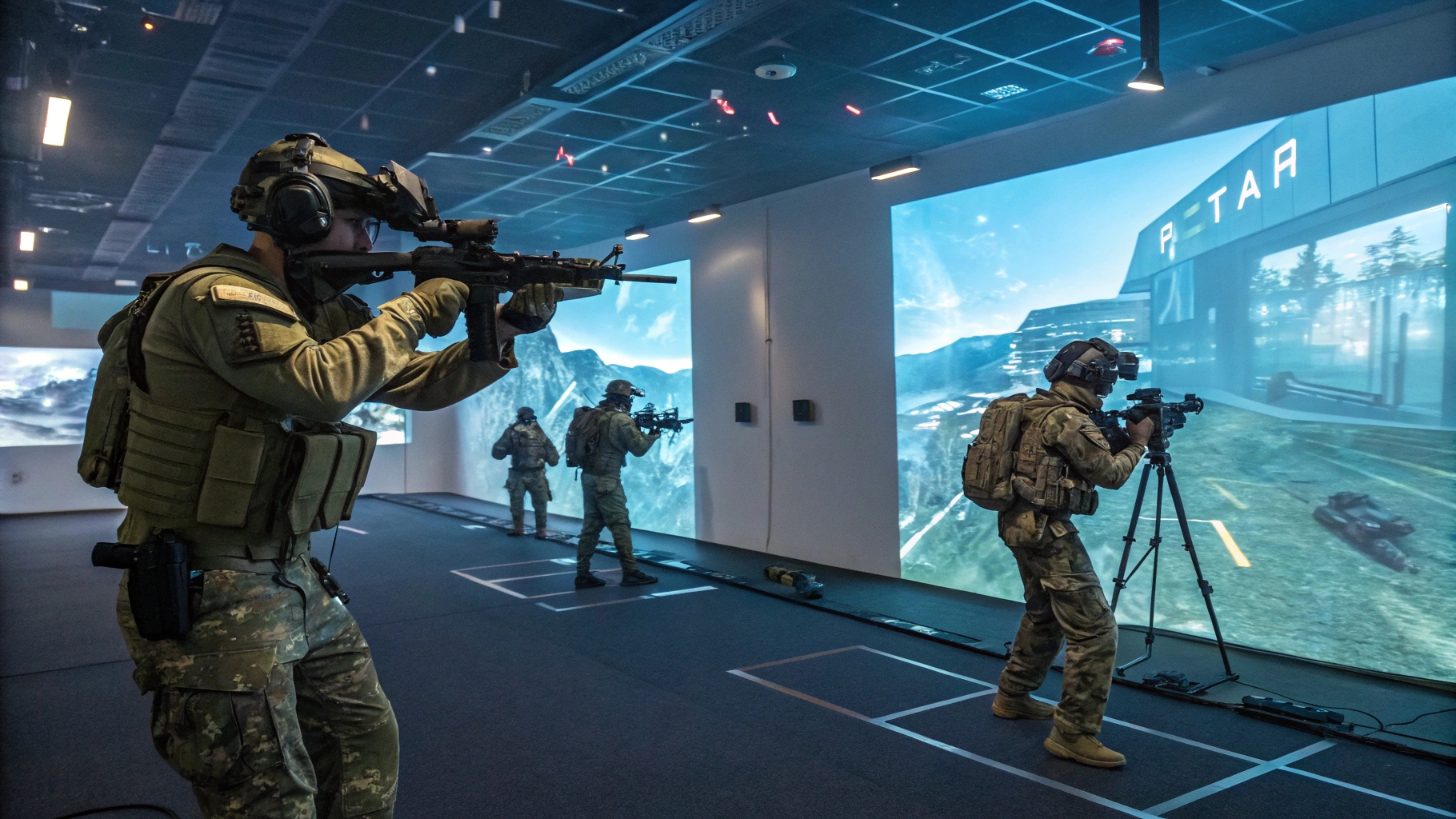
Germany has also invested in training systems. In February 2025, Rheinmetall was contracted to supply Distributed Naval Training Architecture simulators to six naval bases, creating a connected training network that enables naval and aviation units to conduct joint exercises using real tactical data.
In February 2026, shipbuilder Fassmer also won a contract to build four training vessels for the German Navy, designed to support instruction in navigation, seamanship, and essential maritime operations, with deliveries expected to begin in 2028.