Poland’s Ministry of Defense has selected Saab’s A26 submarine as the preferred platform to replace its aging Kilo-class fleet, marking a major step in one of Europe’s most significant naval acquisition programs. Saab’s proposal won against strong competition from leading global shipbuilders such as Naval Group, TKMS, Fincantieri, Hanwha Ocean, and Navantia. Although the final contract has yet to be signed, Poland plans to procure three A26 submarines under its Orca program, a multi-billion-złoty effort expected to exceed 10 billion złoty ($2.52 billion).
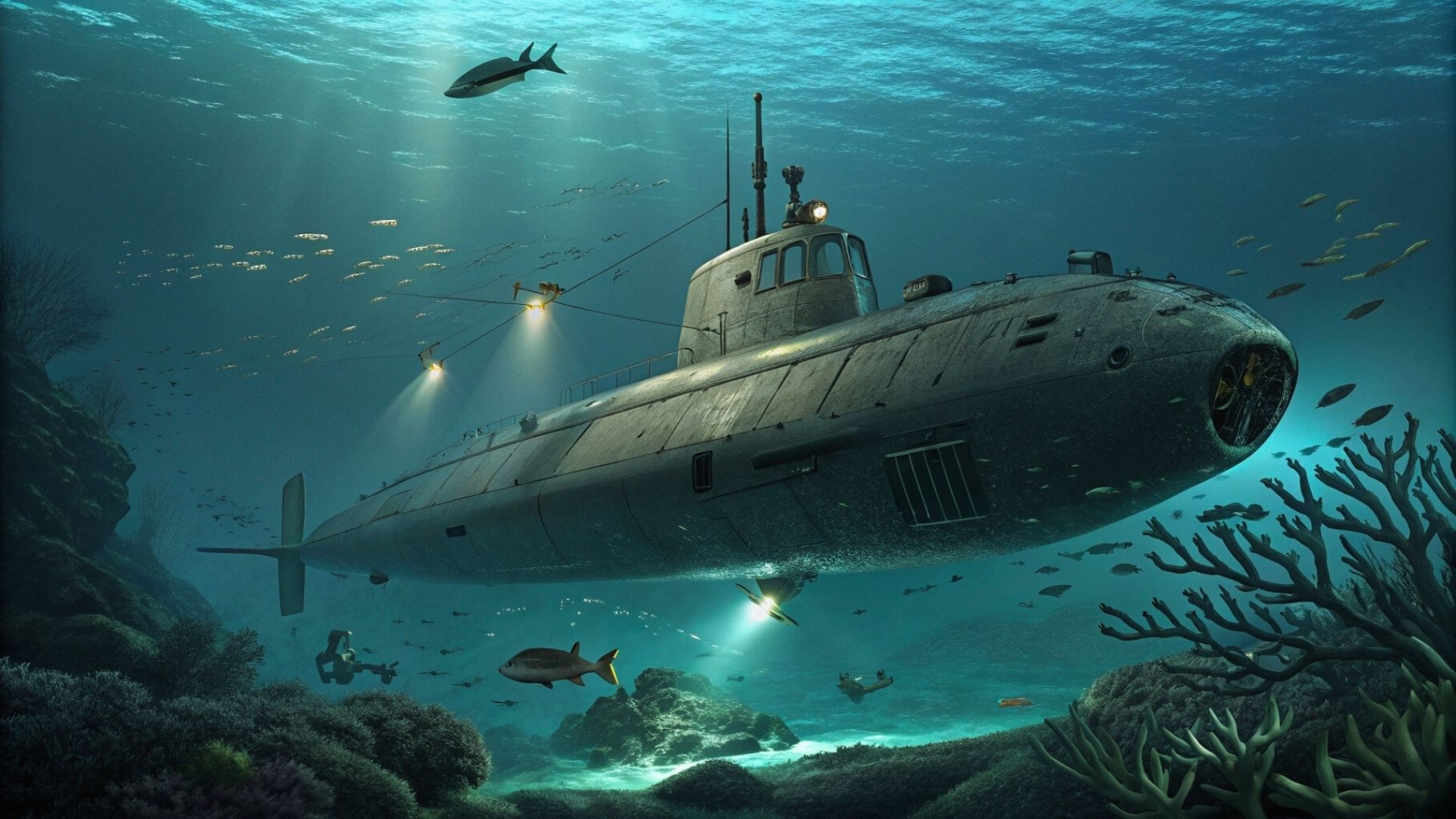
The A26, designated as the Blekinge-class, measures 65 meters in length and displaces approximately 2,000 tonnes on the surface. Operated by a crew of 26 sailors, it also provides space for special operations teams or mission-specific personnel. A key feature of the A26 is its Stirling-based air-independent propulsion system, which offers more than 18 days of submerged endurance—an essential capability for stealth operations in the Baltic Sea’s highly surveilled environment.
Saab designed the A26 to support a broad range of multi-mission maritime operations. The submarine can deploy unmanned underwater vehicles, conduct ISR missions, lay mines, and perform anti-submarine and anti-surface warfare. With its ultra-low acoustic signature, the vessel is optimized for silent movements in sonar-dense waters, turning it into a potent platform for covert surveillance and maritime deterrence.
Its weapons package includes precision-guided torpedoes and long-range missiles capable of striking underwater, surface, and land targets. The A26 also integrates advanced soft-kill defenses, featuring sophisticated electronic warfare tools designed to disrupt enemy sensors and communication systems. By choosing Saab’s A26, Poland is positioned to field a modern, NATO-aligned submarine fleet built for future maritime challenges.