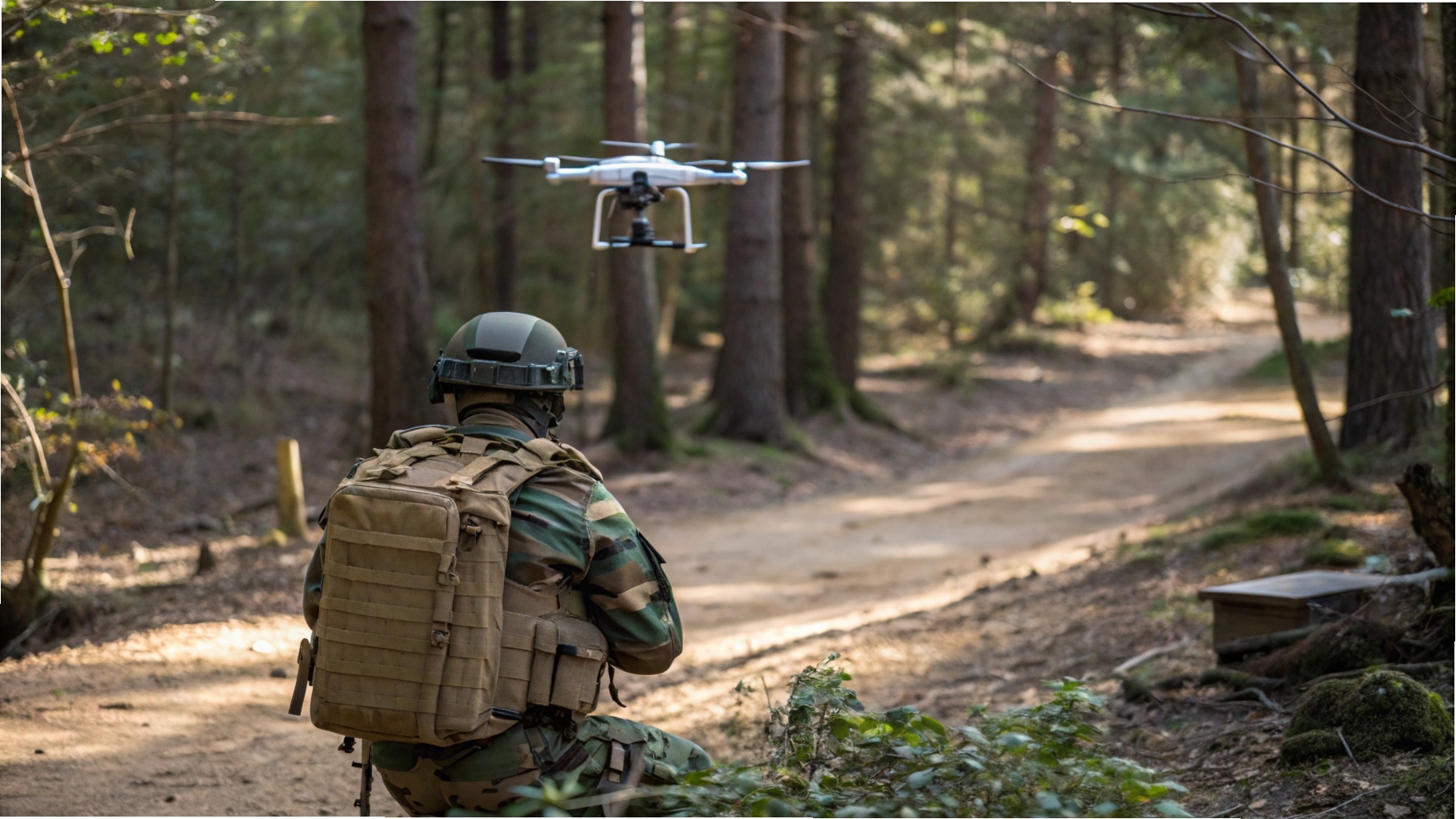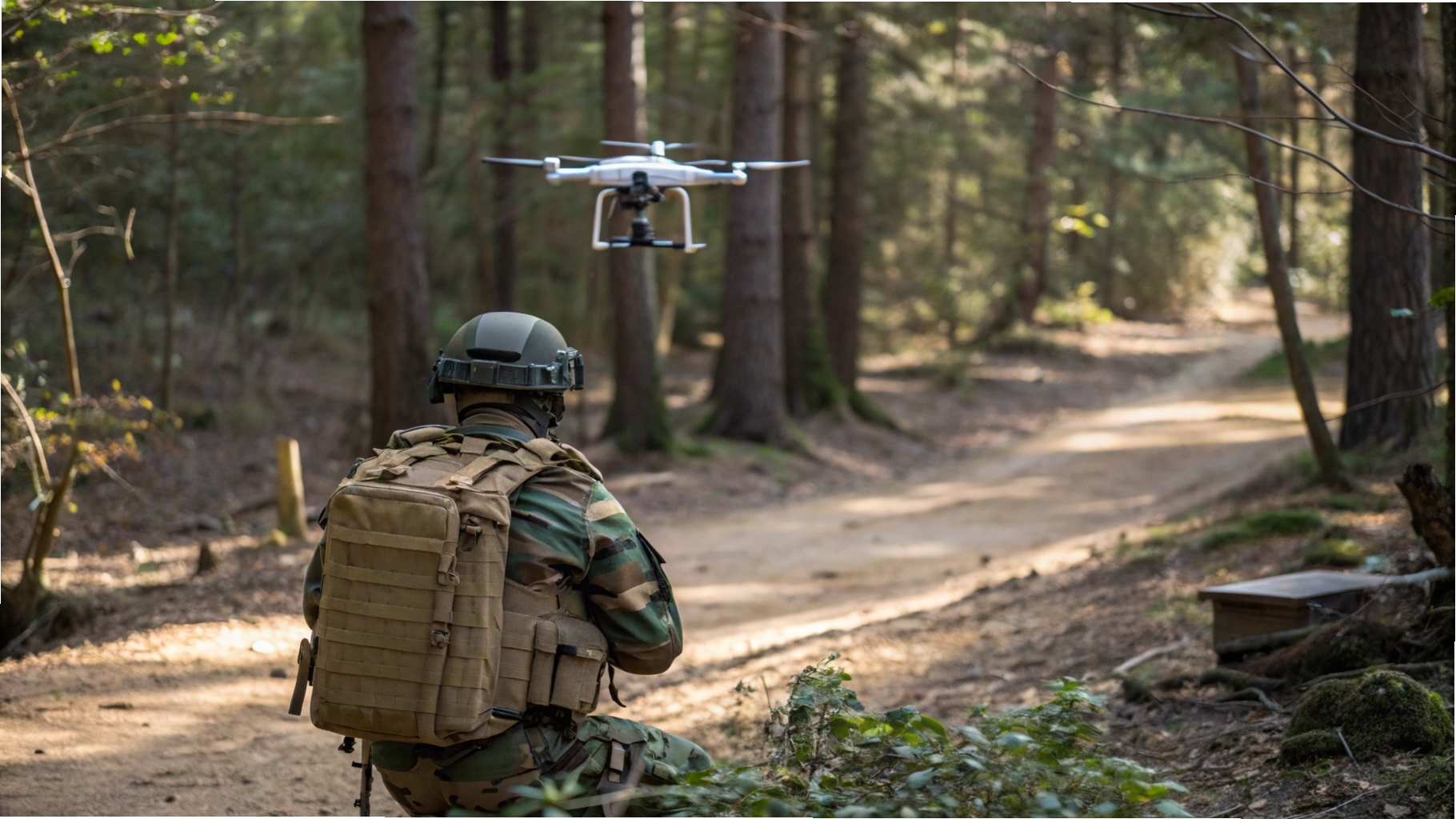
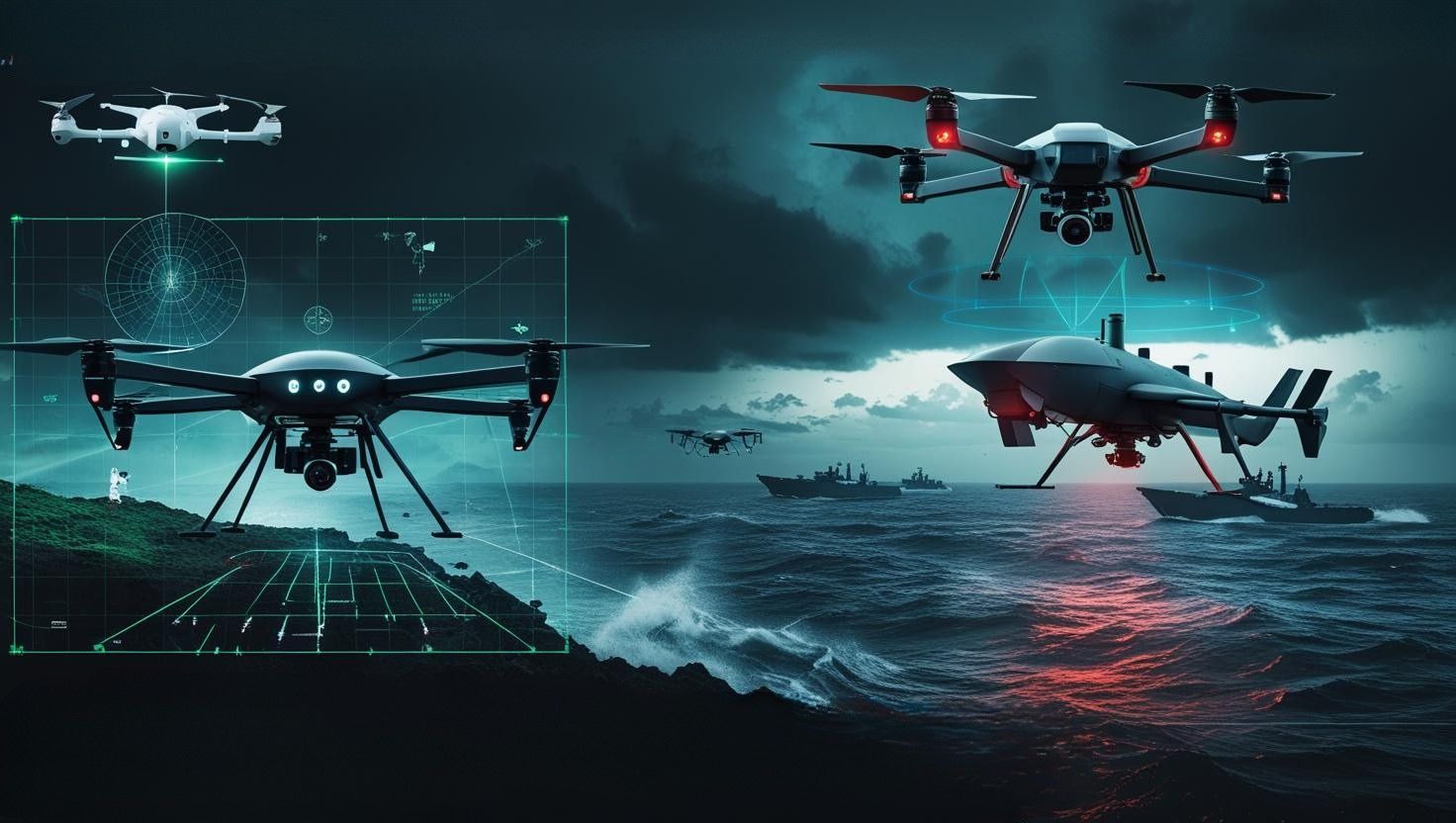
Puma remotely piloted aircraft conducted forward reconnaissance missions during the exercise, feeding targeting data directly to Royal Navy Wildcat helicopter crews operating in Norway’s fjords.
The UK Royal Navy recently completed a three-week Tamber Shield exercise focused on defending against high-speed littoral threats through coordinated operations between crewed helicopters and unmanned aerial systems. The drills were held near Bergen under the framework of the UK-led Joint Expeditionary Force.
Wildcat helicopters from 815 Naval Air Squadron participated in the exercise armed with Martlet surface-to-air missiles and Sting Ray torpedoes, working closely alongside Puma unmanned aircraft.
Unmanned Systems Supporting Maritime Combat Operations
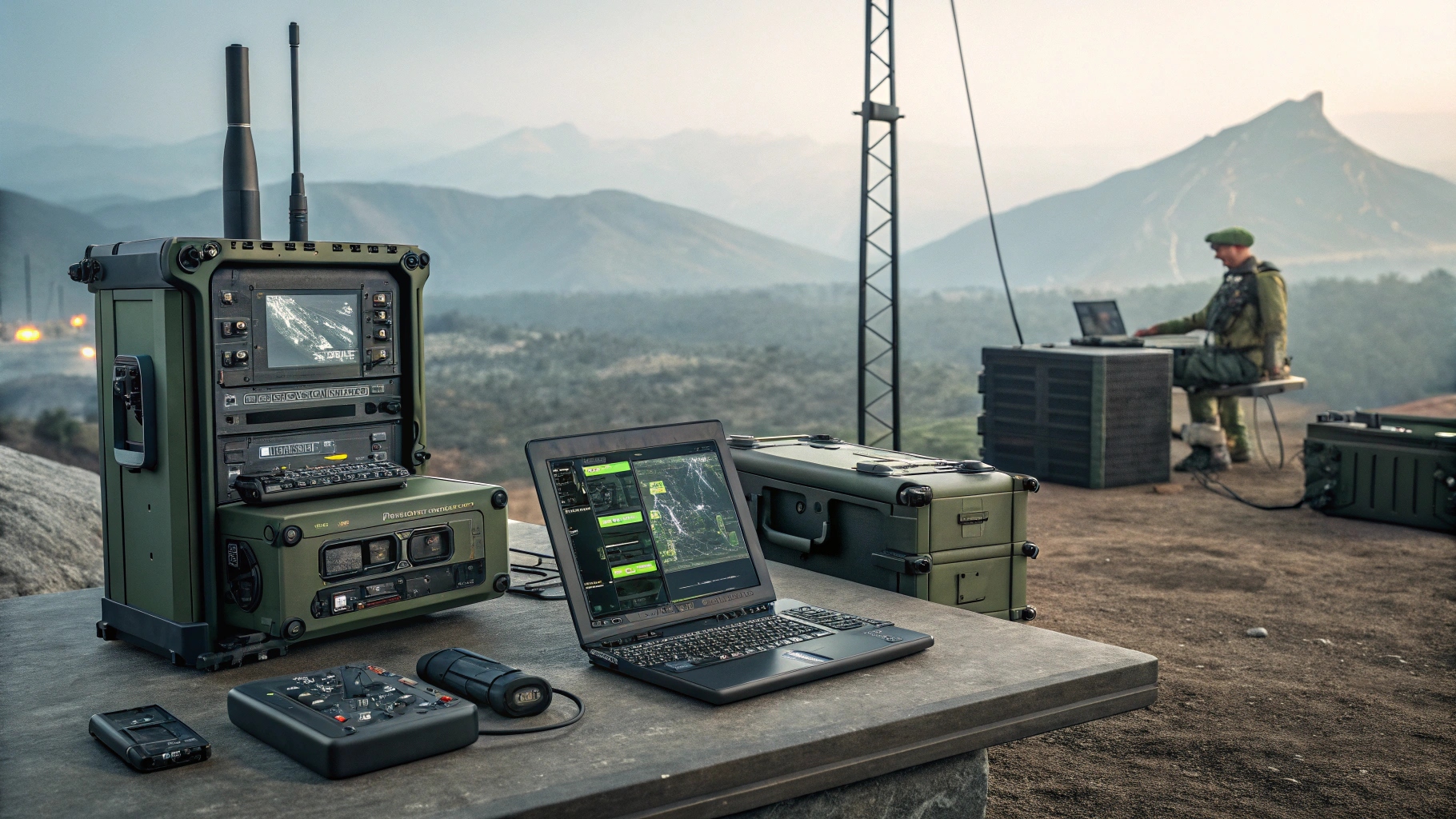
During the drills, Puma drones performed forward surveillance and scouting duties, providing real-time targeting information and battlefield awareness to Wildcat crews operating in contested environments.
The exercise also featured Royal Air Force electronic warfare personnel from Cumbria simulating radar-guided and infrared missile attacks. These scenarios allowed helicopter crews to practice defensive flying techniques and deploy live airborne countermeasure systems against realistic electronic and missile threats.
Meanwhile, at sea, P2000-class patrol vessels HMS Archer (P264), HMS Biter (P270), and HMS Example (P165) simulated hostile fast-attack craft, adding pressure within the maritime battlespace and supporting multi-domain combat training objectives.