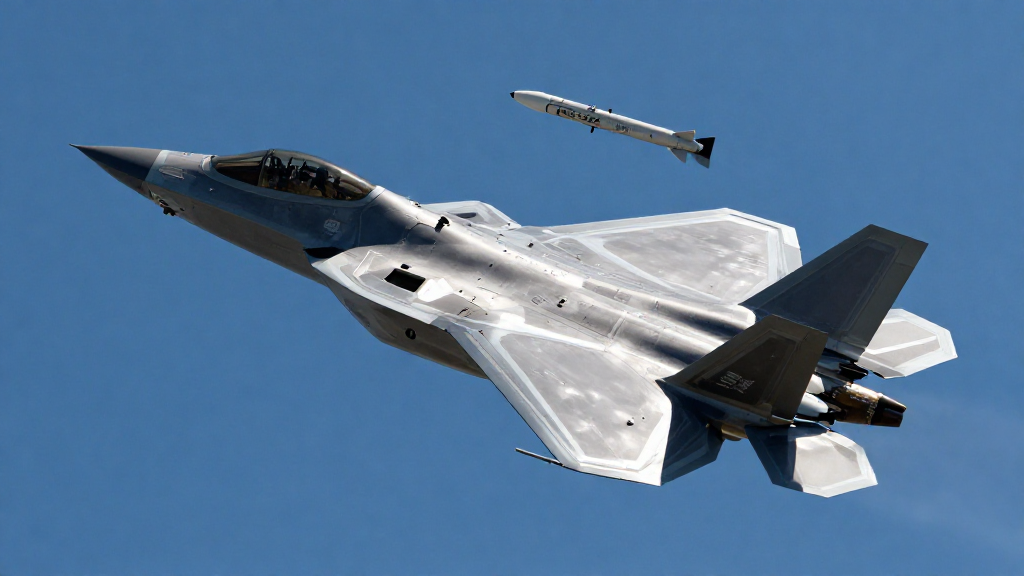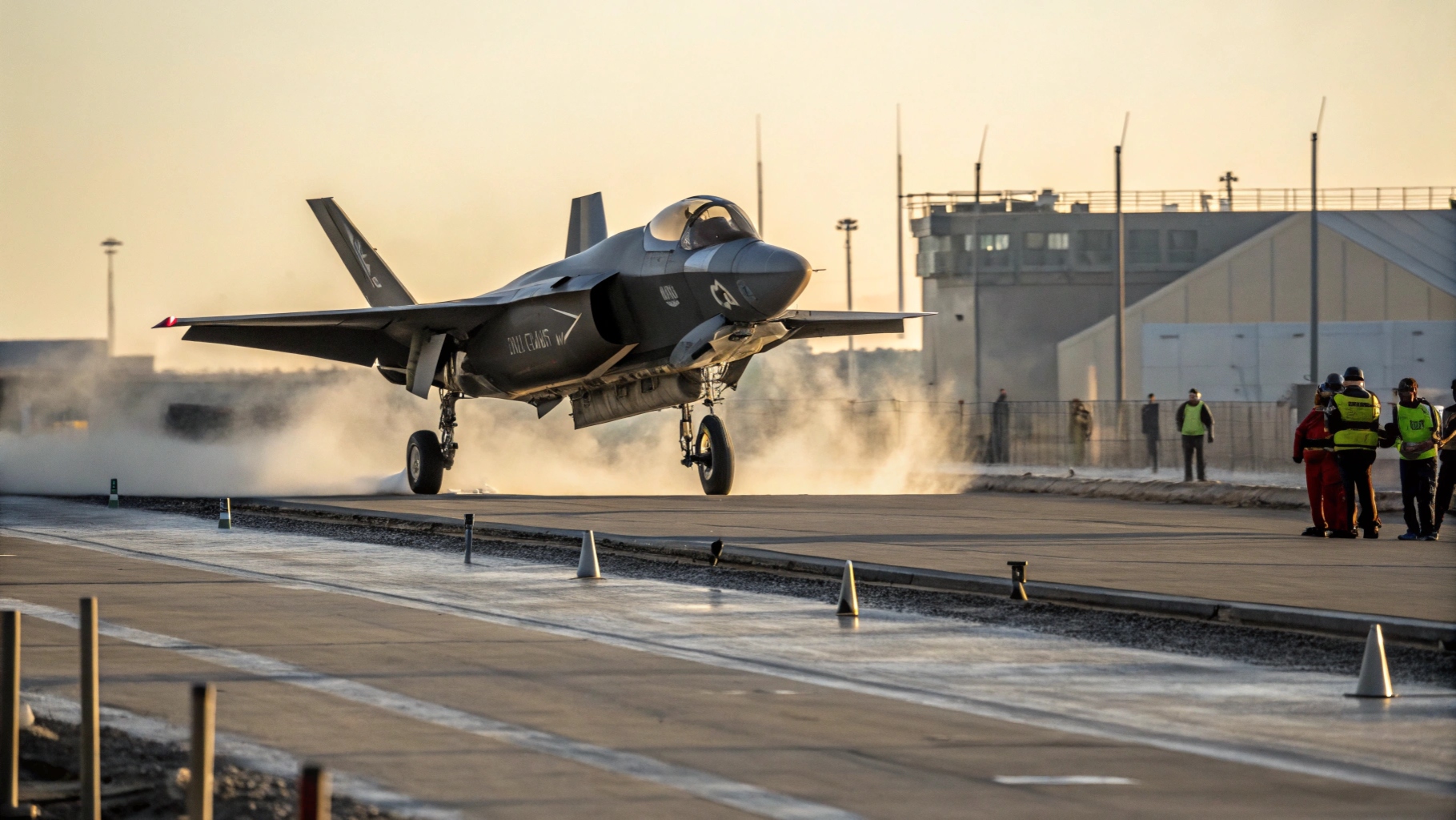

The F-35 Lightning II program reached a major milestone in 2025, with Lockheed Martin confirming the delivery of a record 191 aircraft during the year, expanding the global fleet beyond 1,300 jets. The achievement underscores the fighter’s transition from a next-generation development effort into the backbone combat aircraft for the U.S. Air Force and a growing coalition of international partners.
Lockheed Martin described 2025 as the most productive year in the program’s history, reflecting both manufacturing maturity and sustained global demand. More than a numerical benchmark, the delivery milestone signals a broader transformation in allied airpower, as the F-35 increasingly serves as the common operational platform linking multiple national air forces.
The company further noted that the F-35’s annual production rate is now five times higher than that of any other allied fighter aircraft currently in production. With operators in more than 19 countries and a fleet exceeding 1,300 aircraft, the program also crossed one million cumulative flight hours earlier in the year. These indicators collectively demonstrate the platform’s scale, reliability, and growing centrality to Western air combat planning.
Operational employment in 2025 reinforced this trajectory. Lockheed Martin reported expanded combat use of the F-35 across several regions, including participation by U.S. and allied units in Operation Midnight Hammer, a campaign aimed at suppressing Iranian integrated air-defense networks. While mission specifics remain classified, defense industry sources suggest the operation represented the first combat use of TR-3 software in a high-threat environment, validating the aircraft’s ability to operate effectively in contested airspace.
Separately, NATO-operated F-35s were reported to have engaged and eliminated airborne threats over Poland, marking what Lockheed Martin characterized as the first recorded instance of fifth-generation fighters intercepting drones within NATO airspace. Although details regarding the operator and threat profile were not released, alliance officials confirmed the engagement occurred along NATO’s eastern flank and has since driven renewed assessments of integrated air and missile defense concepts.