
Poland has finalised a $410 million agreement with ASELSAN for the acquisition of electronic warfare systems, reinforcing its push to modernise national defence capabilities, according to reporting by Turkish News Agency TRT. The contract signals increased Polish investment in electronic intelligence, jamming, and counter-drone systems, aligning with NATO’s growing emphasis on dominance and survivability in the electromagnetic spectrum. Announced alongside other defence purchases, the deal is framed as part of a multi-domain defence architecture spanning air, land, sea, and cyberspace.
ASELSAN disclosed the agreement in an official notification to Türkiye’s Public Disclosure Platform, confirming a direct export contract valued at $410 million for electronic warfare solutions. The company highlighted the high level of attention the signing received in Poland. In parallel, Haluk Görgün, head of the Presidency of Defence Industries, described the programme as one of the largest electronic warfare contracts in Europe, exceeding $400 million, and suggested that additional major Turkish defence exports were imminent.
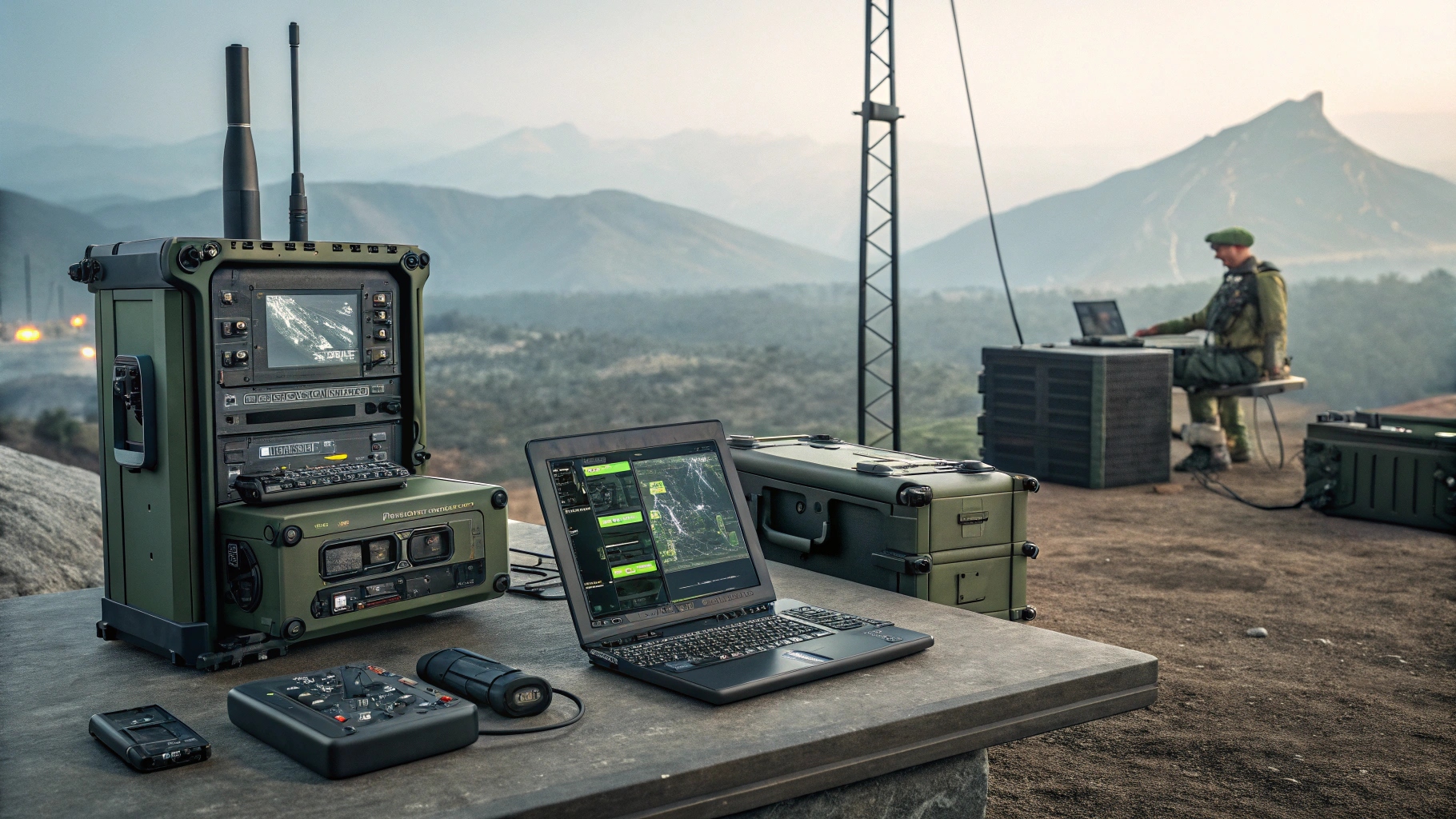
The Polish Ministry of National Defence placed the ASELSAN contract within a broader three-part agreement package signed in Warsaw, attended by Deputy Prime Minister and Defence Minister Władysław Kosiniak-Kamysz and Deputy Minister Paweł Bejda. According to the ministry, the ASELSAN system—described as a Zautomatyzowany System Rozpoznawczo Zakłócający—provides automated electronic reconnaissance and jamming functions, with a particular focus on counter-UAS missions through radio-frequency disruption. Officials characterised the purchase as the opening phase of a wider counter-drone air defence effort under the SAN programme, with final negotiations ongoing for subsequent elements.
In operational terms, Warsaw has positioned electronic warfare as an enabler that links sensing, decision-making, and response across domains. The MoD noted that another contract in the package, signed with Saab, covers an electronic reconnaissance capability integrated with existing Polish ISR platforms, including reconnaissance aircraft and the Delfin radio-electronic reconnaissance ship programme, one vessel of which has already been launched. By pairing reconnaissance assets with automated jamming systems, Poland appears to be pursuing a procurement strategy focused on rapid, non-kinetic responses to spectrum-based threats, particularly in time-sensitive counter-drone scenarios.