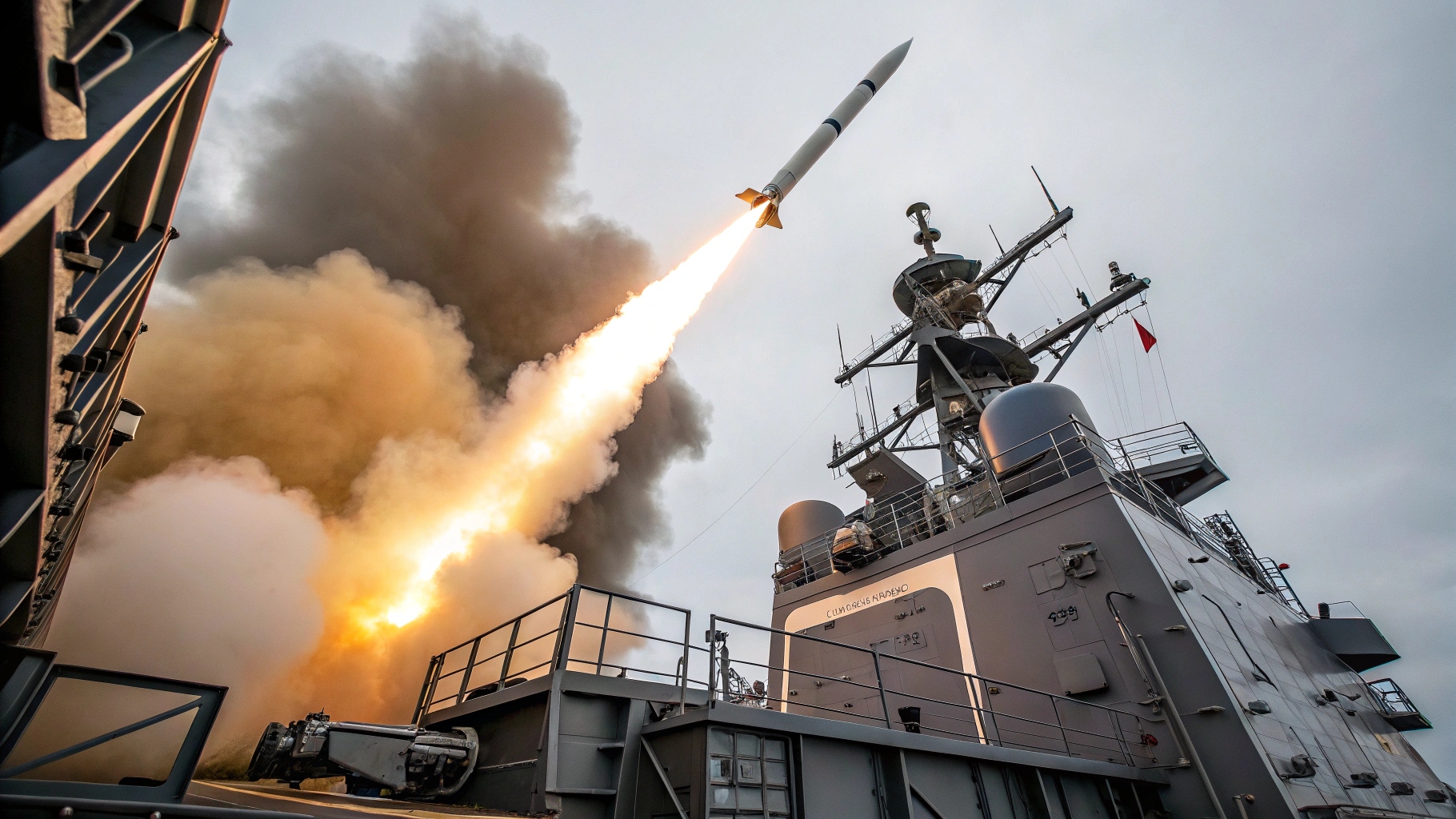

Japan has begun quiet discussions with the Philippines about the potential export of its Type 03 Chu SAM medium-range air defense system, a move that reflects Tokyo’s intention to dismantle restrictive rules that have long kept lethal weapons off its export list. If the sale moves forward following an overhaul of these regulations, it would mark a significant shift in Japan’s role as an emerging security provider in the Indo-Pacific and deliver a substantial boost to Philippine air defenses amid tensions with China across the South and West Philippine Seas.
Informal consultations between Tokyo and Manila center on the possible transfer of the Japan Ground Self-Defense Force’s Type 03 Chu SAM, a step that would test the next phase of Japan’s loosening defense-export posture. The talks come as Prime Minister Sanae Takaichi’s administration prepares to scrap the long-standing “five category” rule that has historically constrained defense exports to non-combat functions—such as surveillance, patrol, rescue, minesweeping, and transport. Both countries are simultaneously deepening bilateral security ties as they confront growing Chinese assertiveness in the South China Sea.
Japan’s existing Three Principles on Transfer of Defense Equipment and Technology, along with their implementing guidelines, currently limit exports to the narrow set of non-lethal functions outlined in government policy. These rules effectively prohibit the export of complete weapon systems, with only limited exceptions such as returning licensed components to production partners. Even as Tokyo expands cooperative programs with European nations and the United States, official documents continue to emphasize this functional restriction, underscoring the significance of any future policy shift that would allow lethal system transfers.