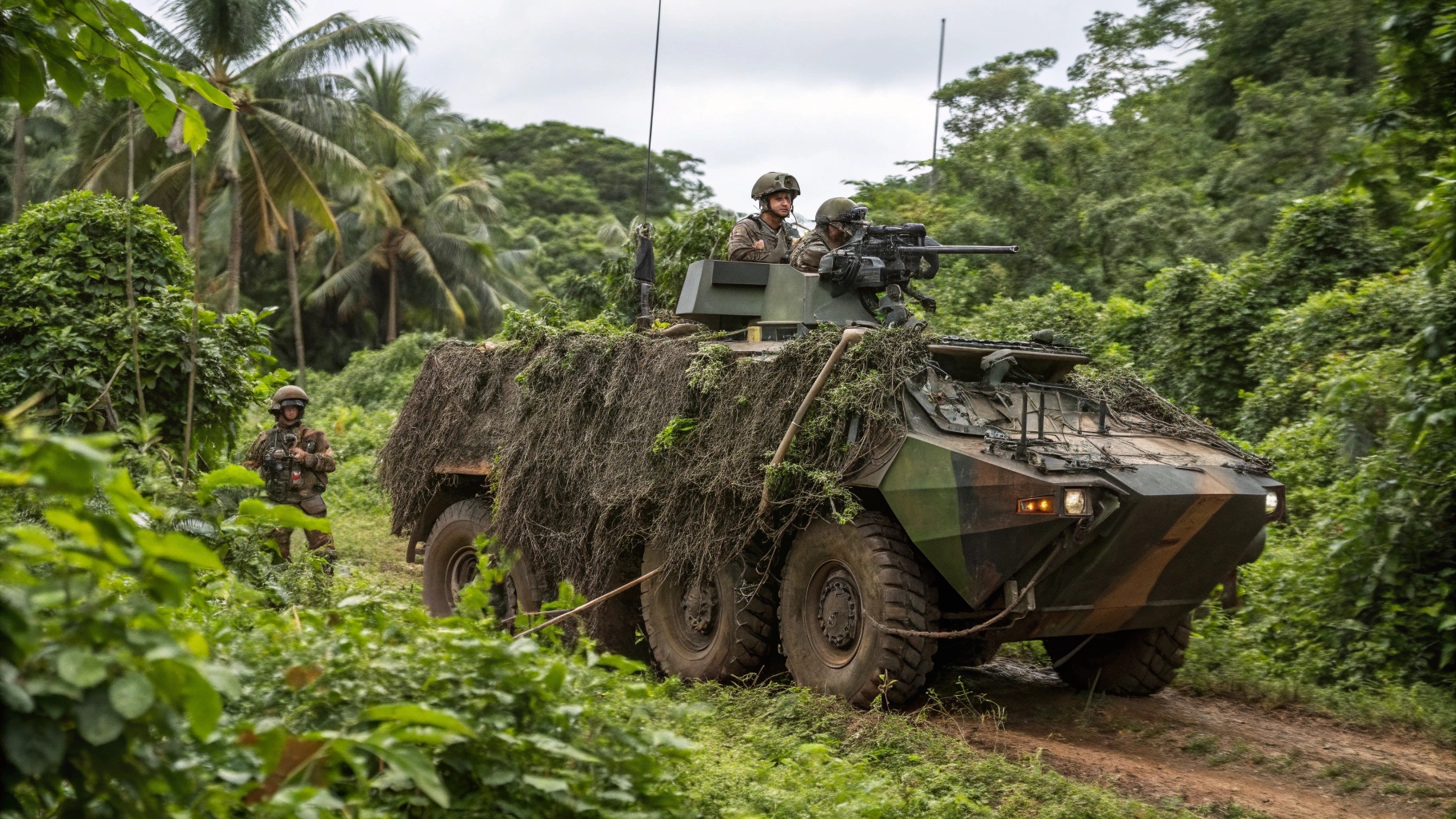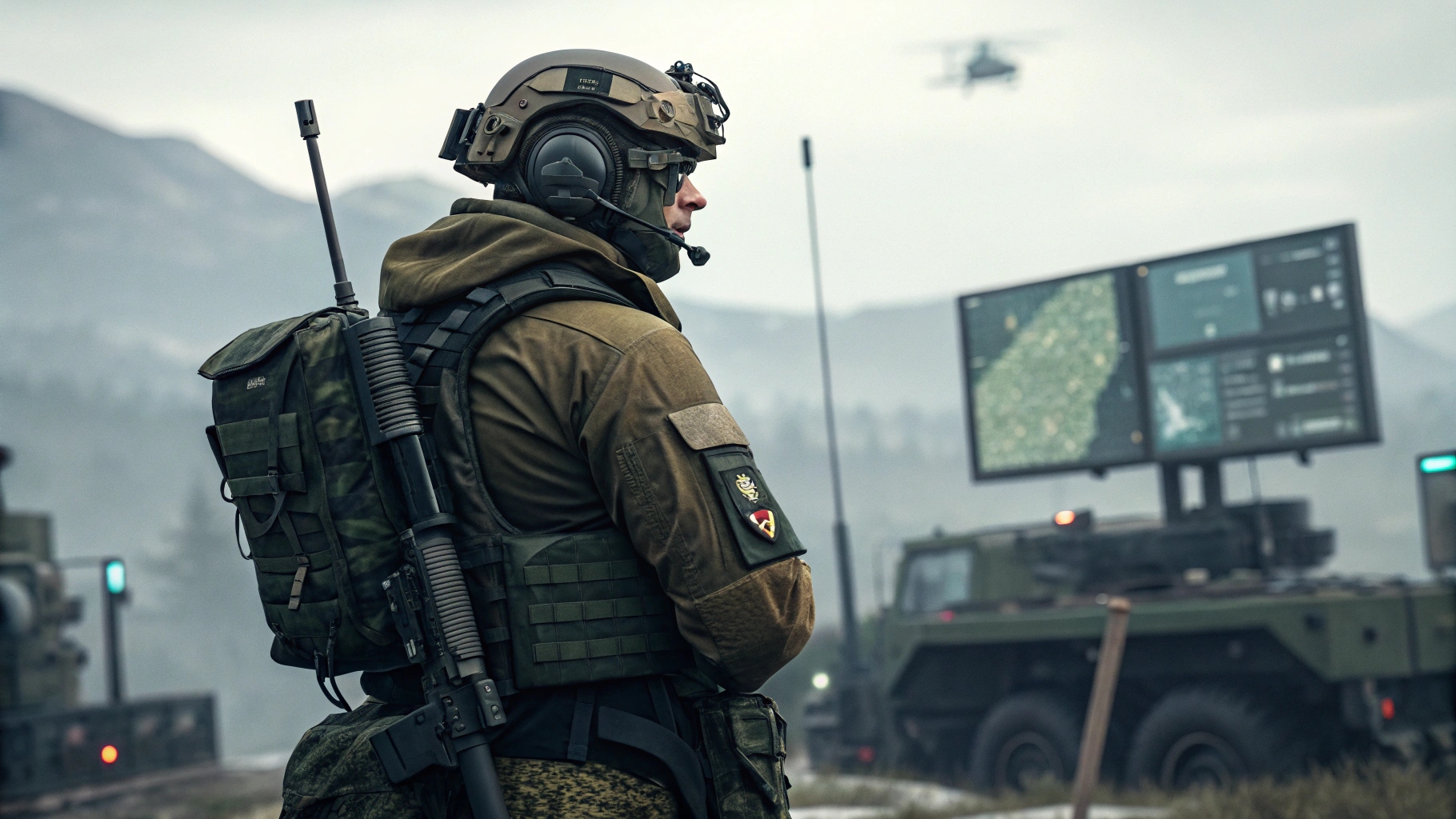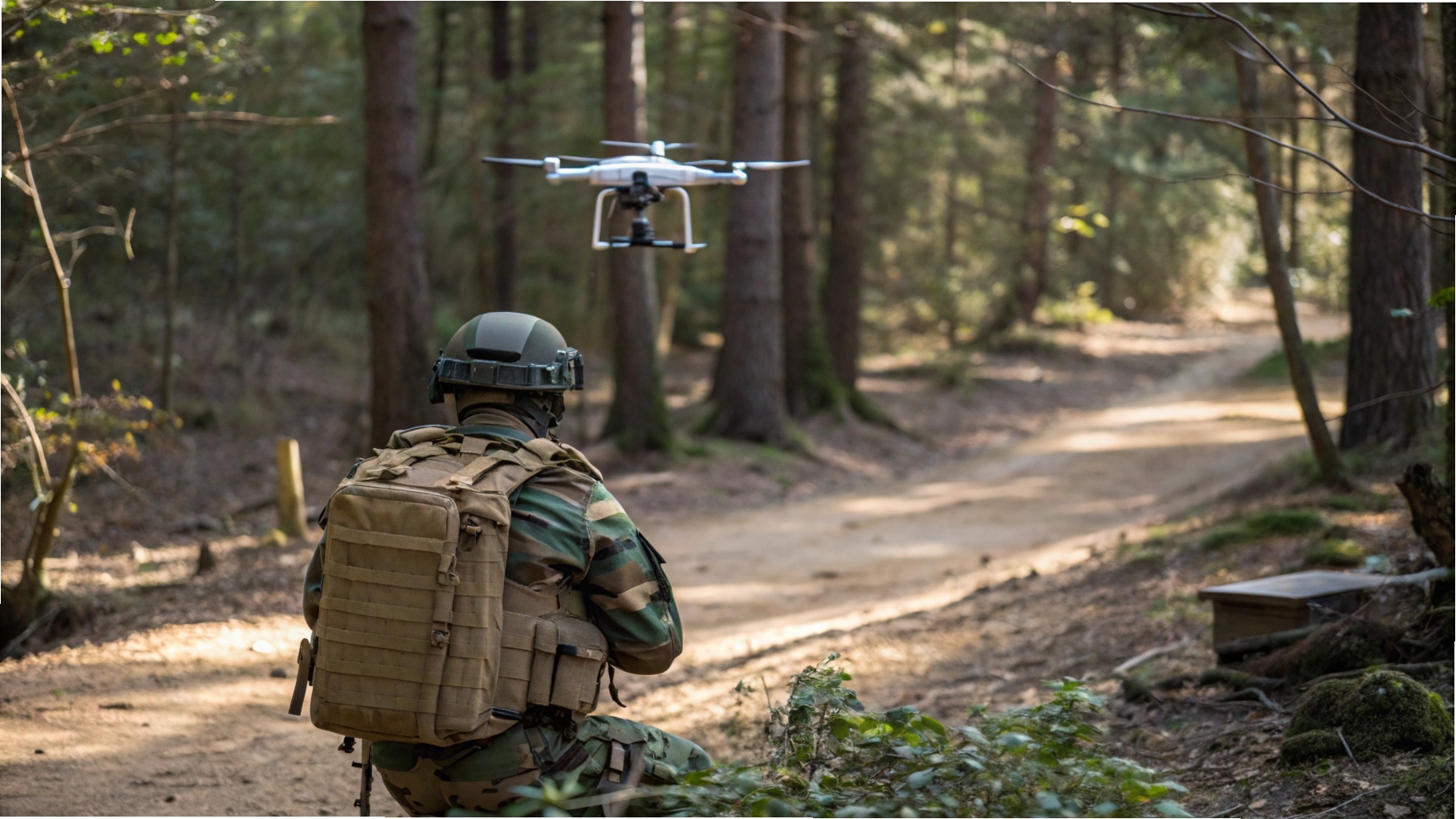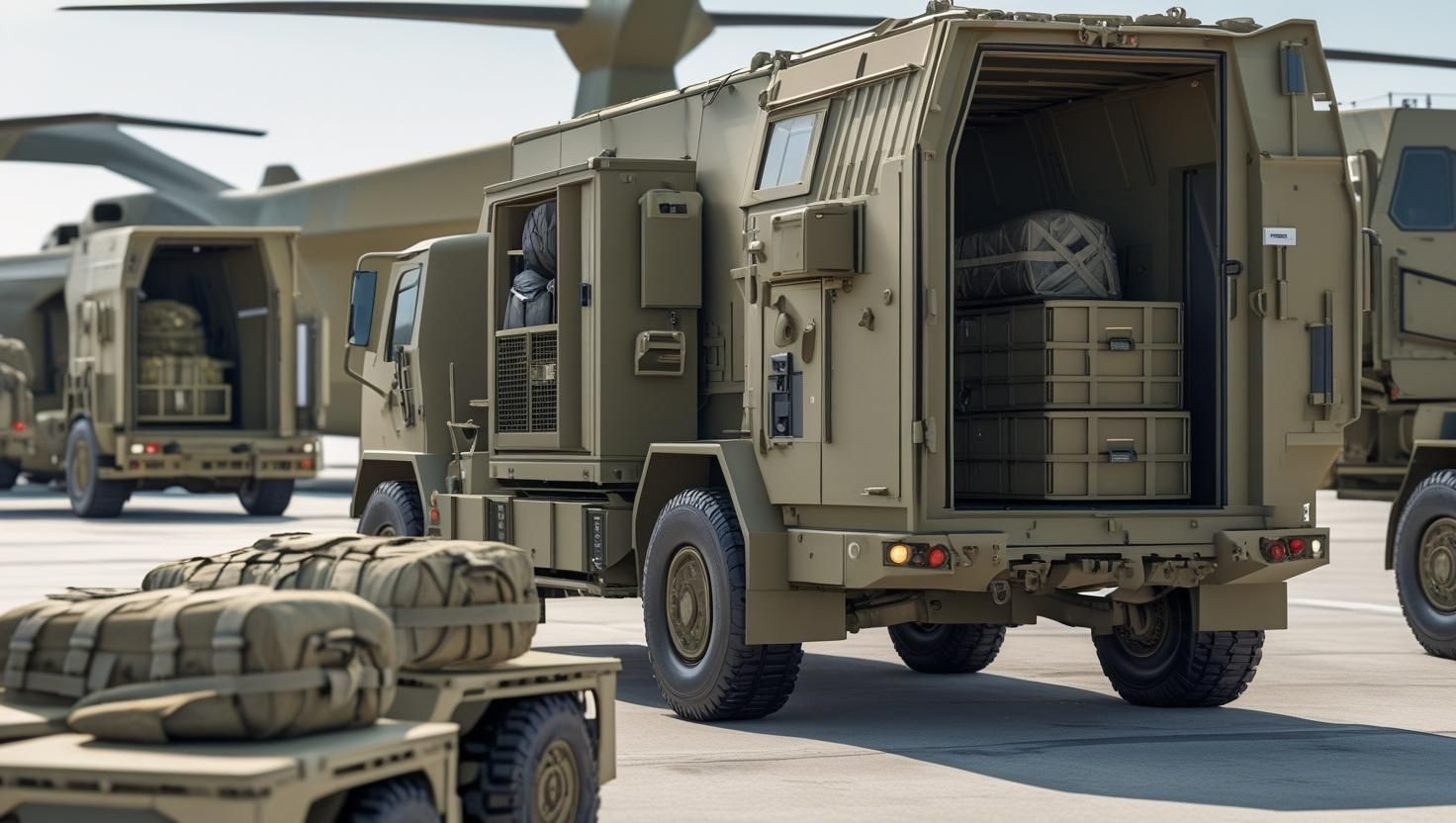
Hensoldt has secured a major multi-year contract from General Dynamics European Land Systems (GDELS) to equip Germany’s next-generation Luchs 2 reconnaissance vehicles with advanced sensor and mission systems. The agreement, valued in the high hundreds of millions of euros, runs through 2032 and covers prototype platforms as well as two full production batches. The first production phase alone includes sensors for 274 vehicles, with provisions for additional units as the Luchs 2 program expands. The award is part of the broader 3-billion-euro Luchs 2 contract that GDELS received in 2023.
Under the deal, Hensoldt will provide mission sensors, spare parts, documentation, operator instruction, and long-term sustainment support. Germany aims to modernize its reconnaissance fleet with enhanced situational awareness tools and data-fusion capabilities, with deliveries of the Luchs 2 vehicles scheduled from 2029 to 2032. The significant scope of Hensoldt’s contribution highlights the role of advanced electro-optical systems in Germany’s evolving battlefield-intelligence architecture.
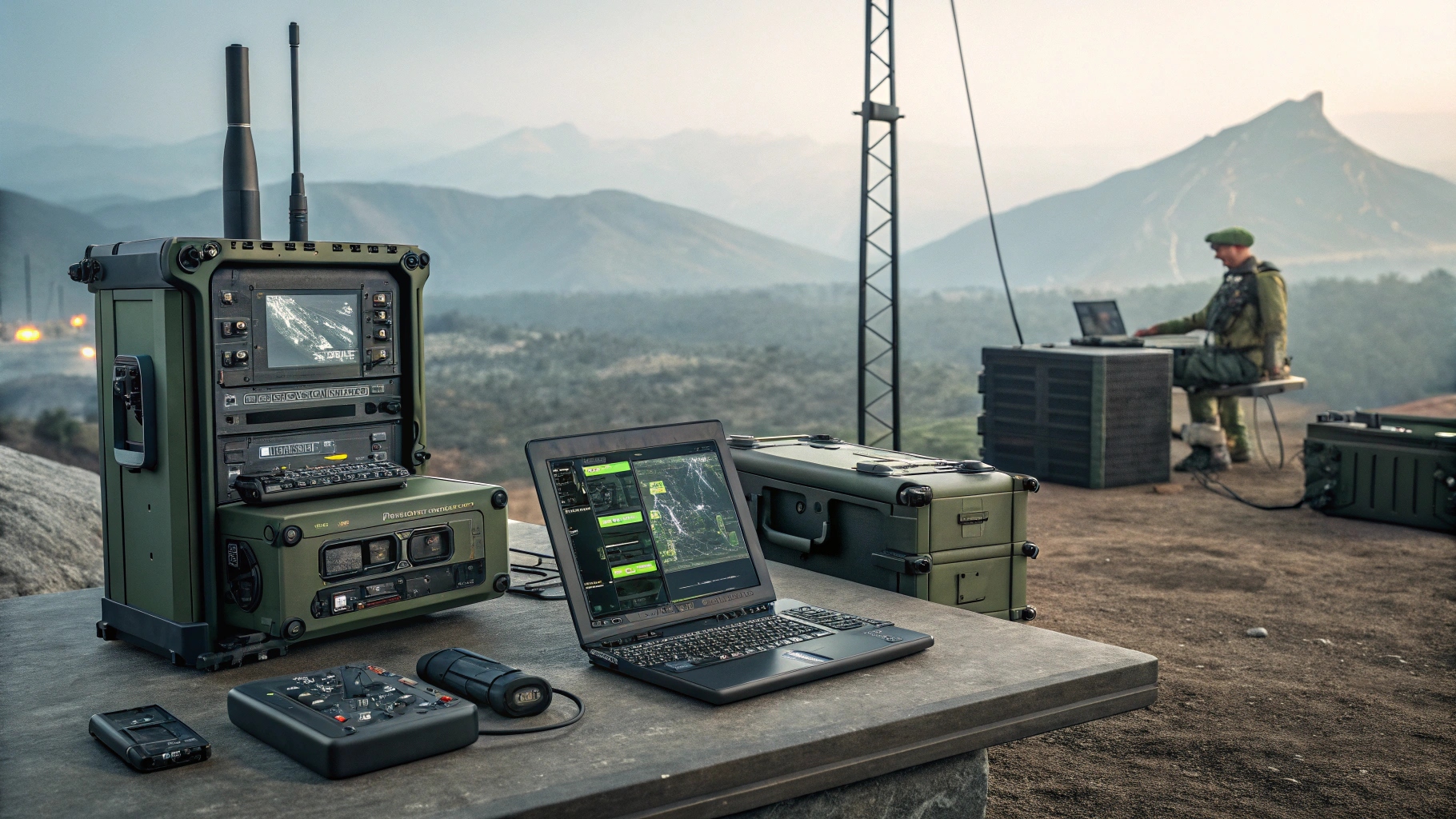
At the core of Hensoldt’s solution is the Ceretron mission system, an integrated suite that merges data from multiple onboard sensors—ranging from optical and thermal imaging to optional short-wave infrared units—into a unified real-time display. Equipped with AI-based image recognition, Ceretron can detect, classify, and track potential threats, enabling reconnaissance teams to make quicker and more accurate assessments in complex operational environments.
Ceretron is complemented by the company’s BAA IV long-range surveillance system, which delivers reliable detection performance in all weather conditions, and the SETAS “see-through armor” technology providing crews a 360-degree external view from within the vehicle. Additional sensors—such as laser warning, acoustic arrays, and radio direction-finding modules—can be seamlessly integrated. All components link through Hensoldt’s MDOcore software, enabling multi-domain data sharing across land, air, maritime, cyber, and space networks as Germany moves toward a fully connected force-architecture.