Belgium and Luxembourg have finalised a joint procurement agreement for 54 French-manufactured armoured vehicles, laying the foundation for a new binational reconnaissance battalion and reinforcing NATO’s multinational force integration efforts.
In a statement released by the Luxembourg Government on 17 December 2025, Luxembourg confirmed the completion of one of its most significant defence purchases to date, undertaken in partnership with Belgium. The acquisition will equip a newly created medium reconnaissance combat unit developed under NATO’s Defence Planning Process, aimed at deepening operational and structural cooperation between the two allied nations.
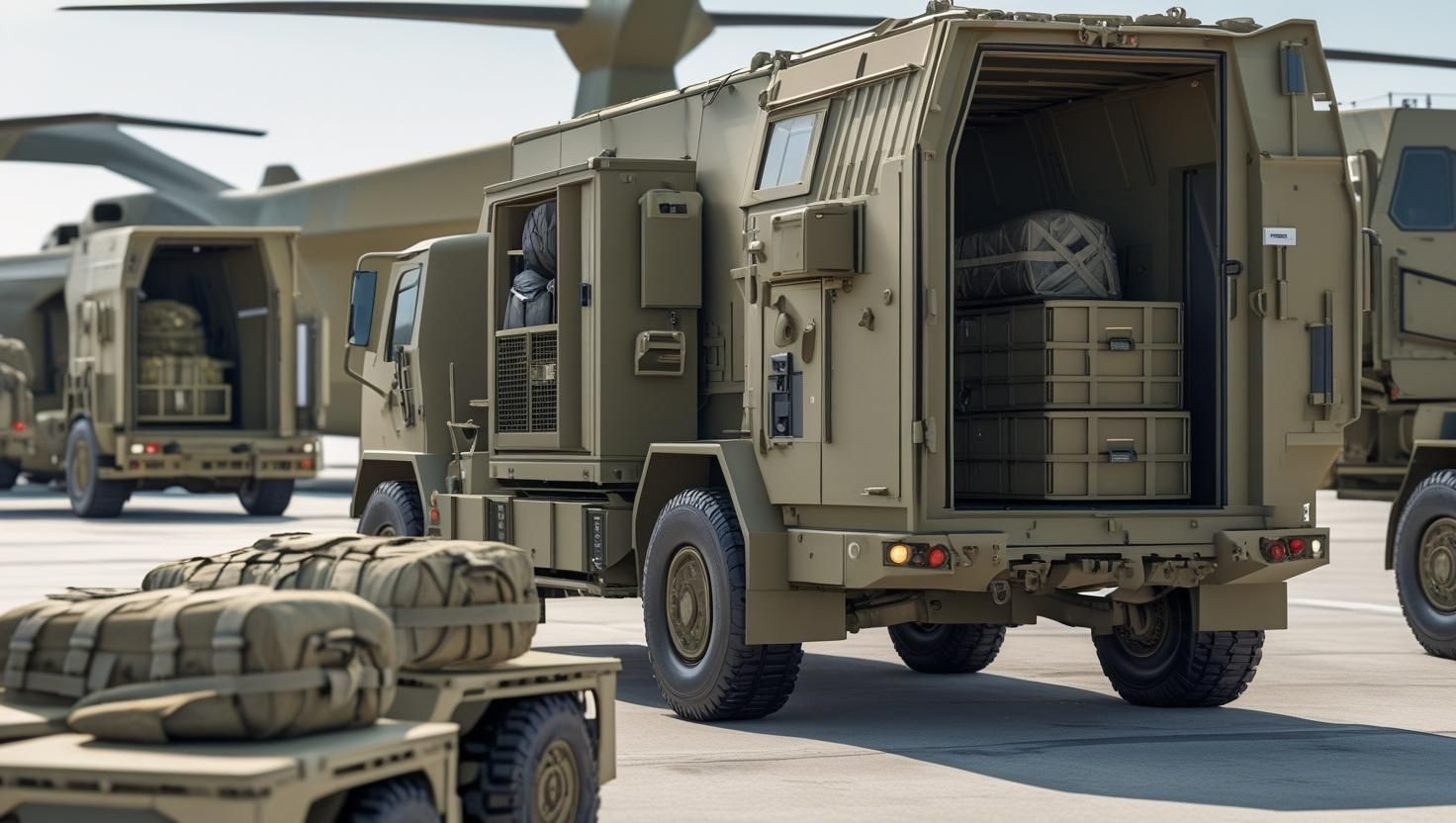
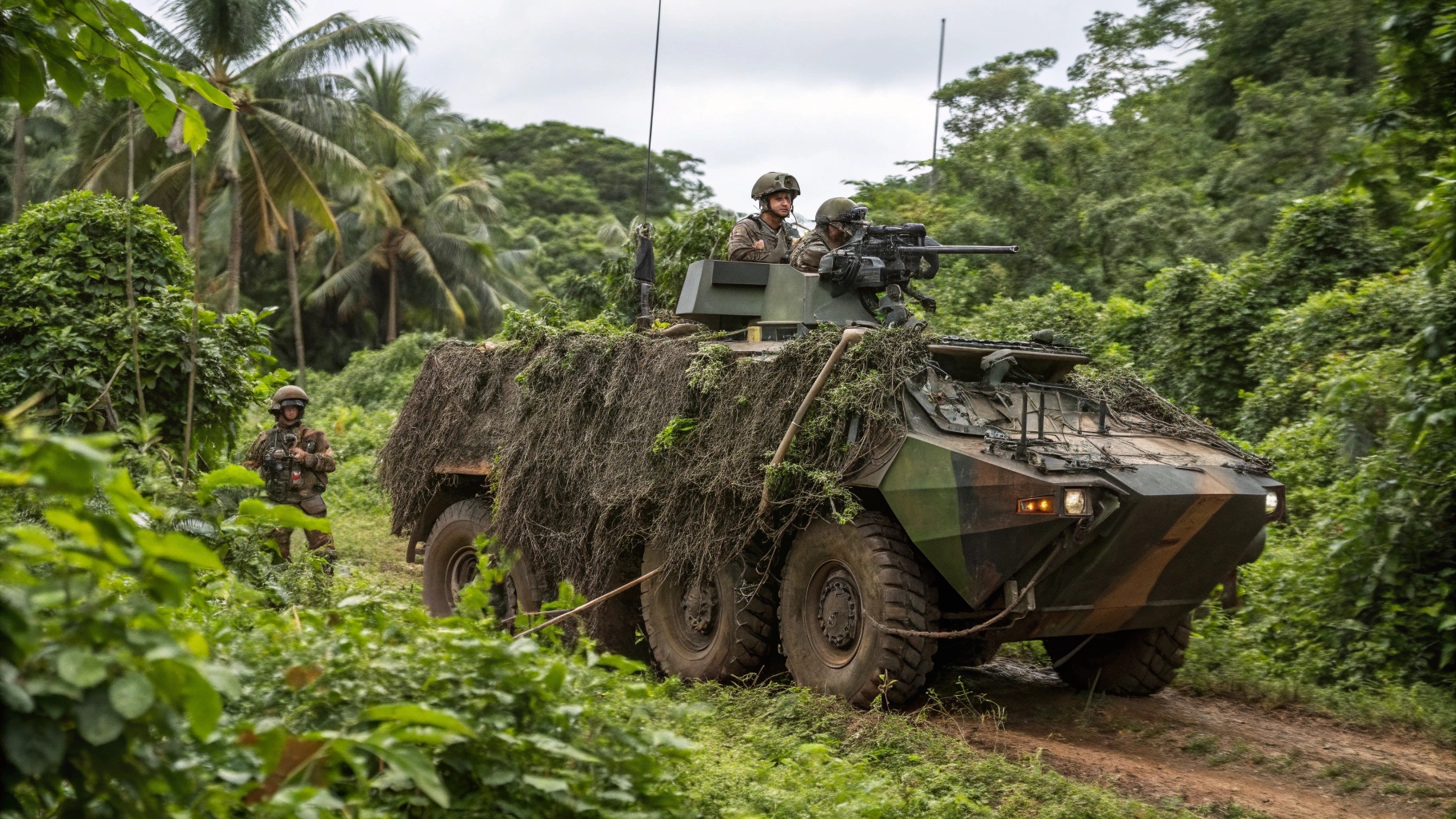
The agreement includes the purchase of 38 Jaguar EBRC reconnaissance and combat vehicles and 16 Griffon VBMR multi-role armoured vehicles. Both platforms are products of France’s Scorpion programme, developed by the Nexter–Thales–Arquus consortium, and are tailored for modern operational environments that demand high mobility, robust protection, and digital battlefield integration.
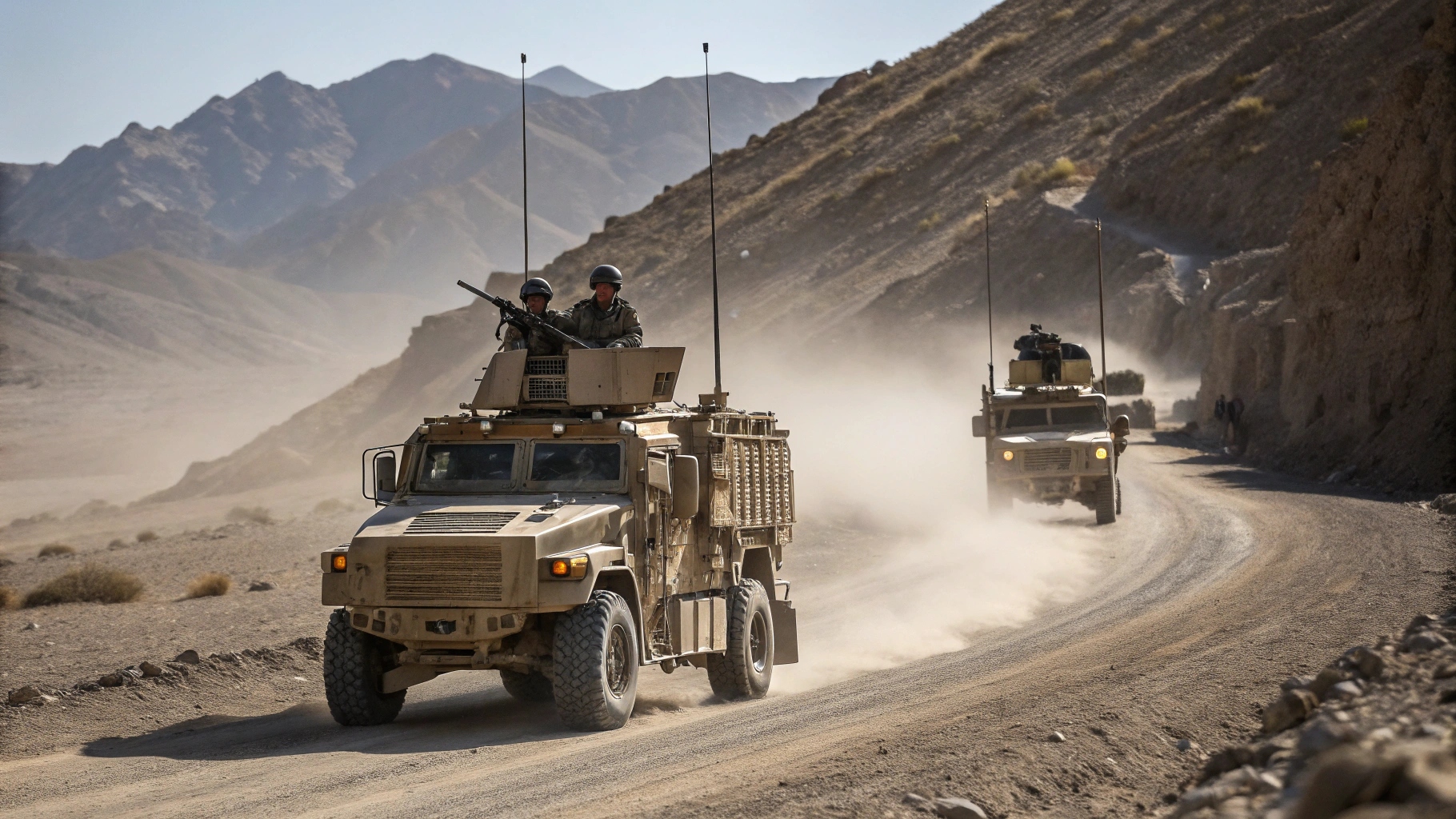
The Jaguar is a 6×6 wheeled armoured vehicle weighing approximately 25 tons and crewed by three soldiers. Its armament comprises a 40 mm CTA cannon, twin MMP anti-tank missile launchers, and a remotely operated 7.62 mm machine gun. Integrated sensors, networking, and protection systems enable the Jaguar to conduct high-intensity reconnaissance and provide mobile direct fire support.
Complementing the Jaguars, the 16 Griffon VBMR vehicles will be delivered in command, support, and logistics variants. Each 24.5-ton 6×6 vehicle is operated by a three-person crew and fitted with modular remote weapon stations capable of mounting 7.62 mm or 12.7 mm machine guns. The Griffon is designed to enhance survivability in asymmetric threat environments while remaining fully interoperable with NATO and EU forces.
The procurement forms part of a wider Luxembourg-Belgium effort to establish a medium-weight reconnaissance battalion by 2030. Known as the Binational Battalion of Luxembourg Reconnaissance Guides-Chasseurs, the unit directly addresses NATO capability objectives defined through the Defence Planning Process, which serves as the Alliance’s primary tool for aligning national force development with collective defence requirements in an increasingly unstable geopolitical context.