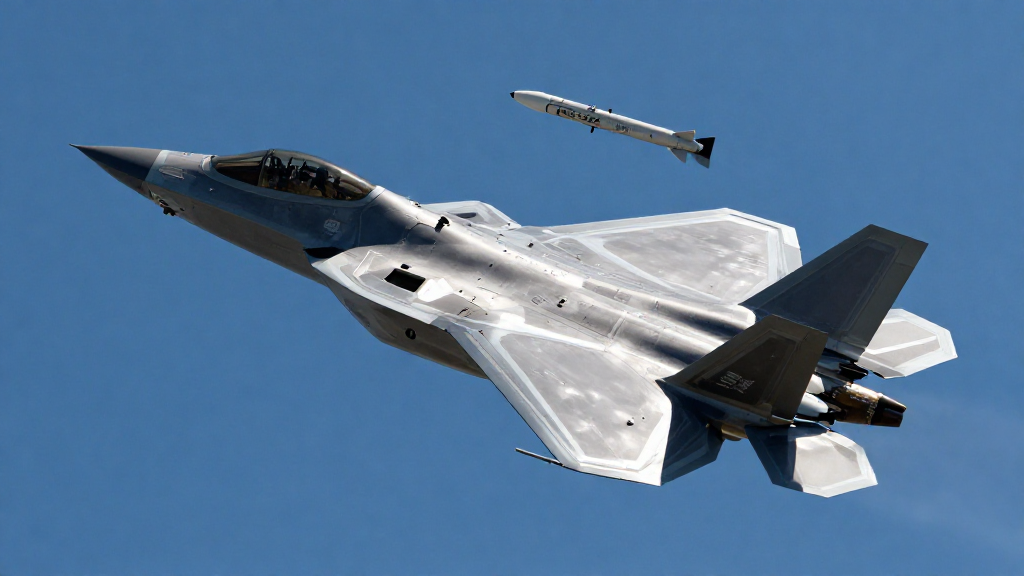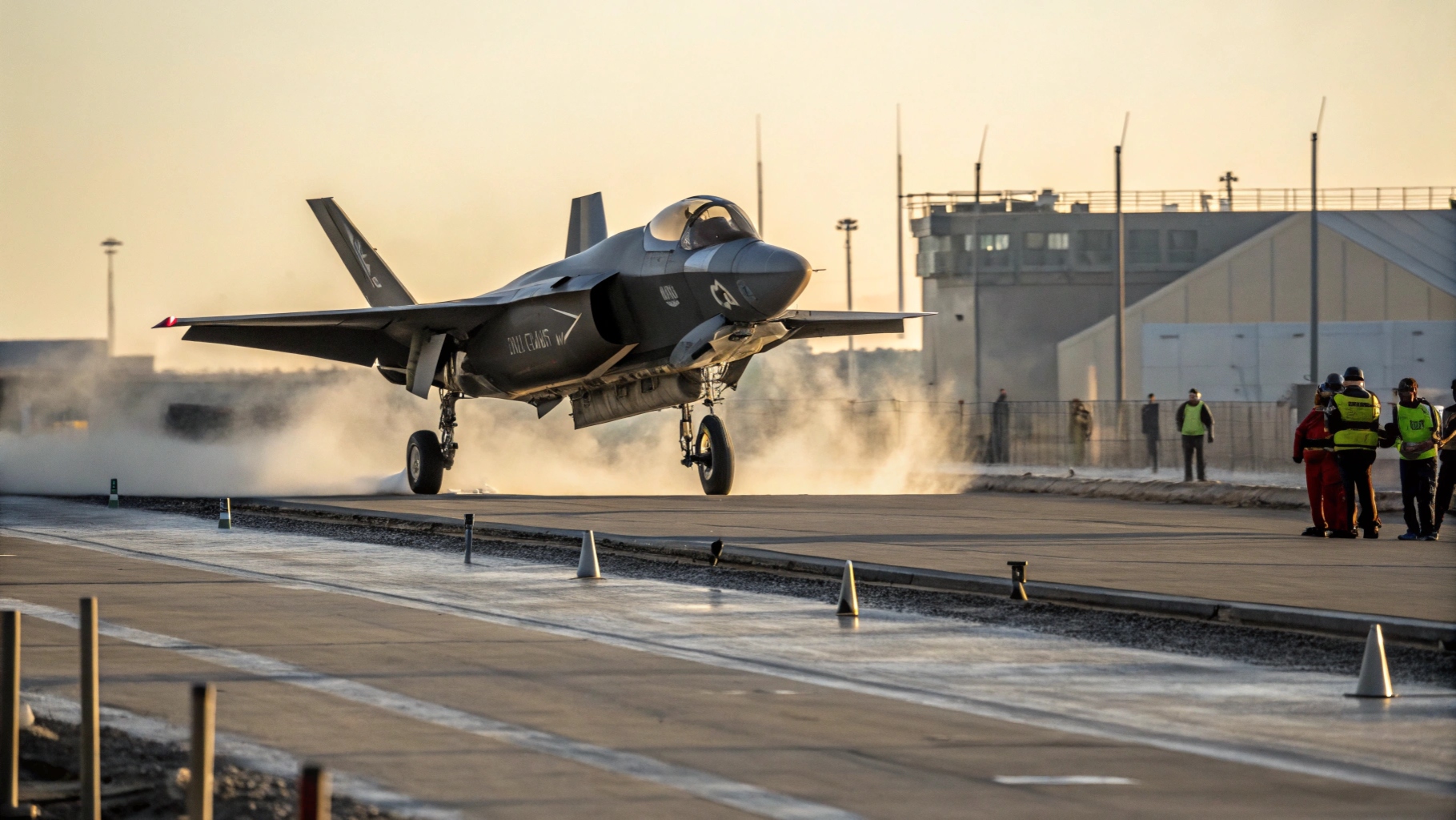

Deliveries of the indigenous HAL Tejas Mk1A fighter aircraft could be delayed beyond June as discussions continue between Hindustan Aeronautics Limited, the Indian Air Force, and the Ministry of Defence regarding the platform’s readiness for operational induction, according to a report by Business Standard citing defence officials.
The report stated that the IAF may be prepared to induct the Tejas Mk1A even if some non-critical systems are not fully mature at the time of delivery, as long as the aircraft maintains essential combat functions related to sensors, weapons employment, and electronic warfare performance. Any decision to proceed under such conditions would likely require amendments to the existing contract framework overseen by the Ministry of Defence.
Sources quoted in the report emphasized that the IAF’s main priority is ensuring that the aircraft are operationally deployable immediately upon entering service, particularly in terms of combat capability and survivability. Certain sophisticated features linked to automation and electronic warfare management may reportedly be integrated or optimized later. Officials suggested that if an electronic warfare suite is available but does not yet meet full automation requirements, pilots could temporarily manage some functions manually, similar to procedures used in older-generation fighter aircraft.
The reported flexibility from the IAF comes amid mounting pressure to address declining squadron numbers. The Tejas Mk1A program is widely regarded as one of the most strategically important indigenous fighter projects currently underway in India. HAL received a major contract in 2021 to deliver 83 Tejas Mk1A jets, with initial deliveries originally expected in early 2024 before the schedule experienced repeated setbacks.
According to the report, HAL had earlier requested limited concessions related to compliance with Air Staff Quality Requirements (ASQRs) in an effort to begin deliveries sooner. These ASQRs establish the mandatory technical and operational standards that military platforms must satisfy before induction, including benchmarks for avionics, radar performance, weapons integration, maintainability, electronic warfare systems, and mission effectiveness.
The Tejas Mk1A incorporates substantial upgrades over the earlier Light Combat Aircraft Mk1 variant. Improvements include an AESA radar, advanced electronic warfare capabilities, beyond-visual-range missile integration, enhanced maintainability, upgraded digital flight systems, and greater mission flexibility. The aircraft is expected to play a central role in the future structure of the IAF while advancing India’s Atmanirbhar Bharat defence manufacturing objectives.
Production delays have also been associated with global supply chain issues, particularly the delayed delivery of GE F404-IN20 engines from GE Aerospace. The disruption in engine supplies has significantly impacted HAL’s manufacturing schedule and contributed to ongoing uncertainty surrounding the delivery timeline.