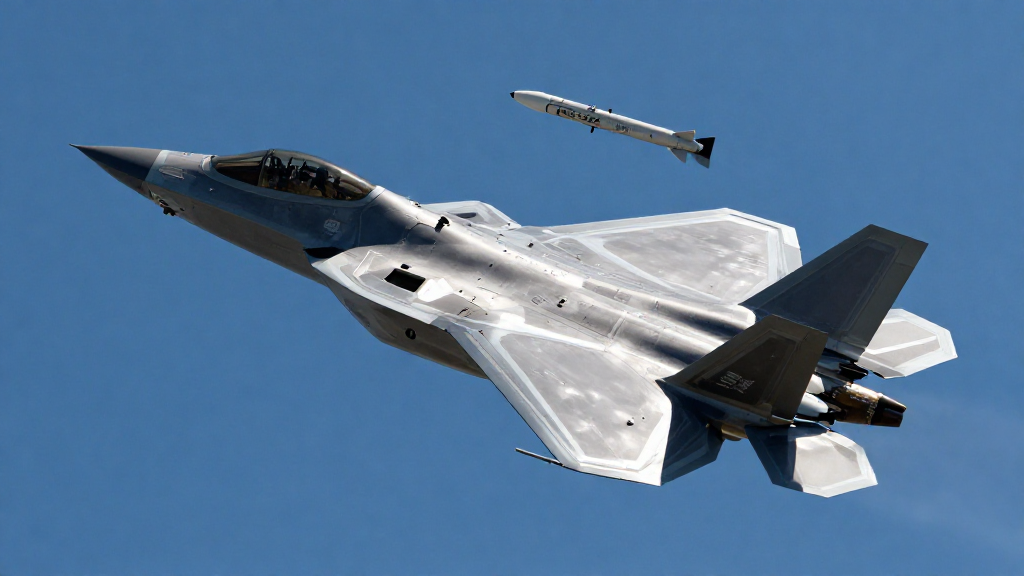

India is close to inducting its next-generation Rudram-2 missile, which has entered the final stages of validation and is likely to receive production approval in the near future. Developed by DRDO, the system is intended to significantly strengthen the Indian Air Force’s SEAD capabilities and replace legacy anti-radiation missiles like the Kh-31.
After a successful full-scale test in 2024, the program has focused on fine-tuning seeker performance to ensure effectiveness in dense electronic warfare environments. This capability is critical for countering advanced air defense systems that use sophisticated techniques to mask or intermittently operate their radar emissions.
Production will be carried out under the DcPP model, involving Adani Defence & Aerospace and Bharat Dynamics Limited, marking a collaborative approach between private and public sectors. Hyderabad is expected to serve as a key manufacturing hub.
Integration efforts have centered on the Su-30MKI, with plans to expand compatibility to Mirage 2000, Tejas Mk2, and Rafale aircraft. This ensures the missile can be deployed across a wide range of platforms.
Technically, Rudram-2 offers a range of over 300 km, allowing aircraft to engage enemy radar systems from a safe distance. Its speed and advanced targeting capabilities make it highly effective against modern, mobile air defense systems. The missile is expected to play a vital role in future air operations by suppressing enemy defenses early in a conflict, enabling deeper and more effective strike missions.