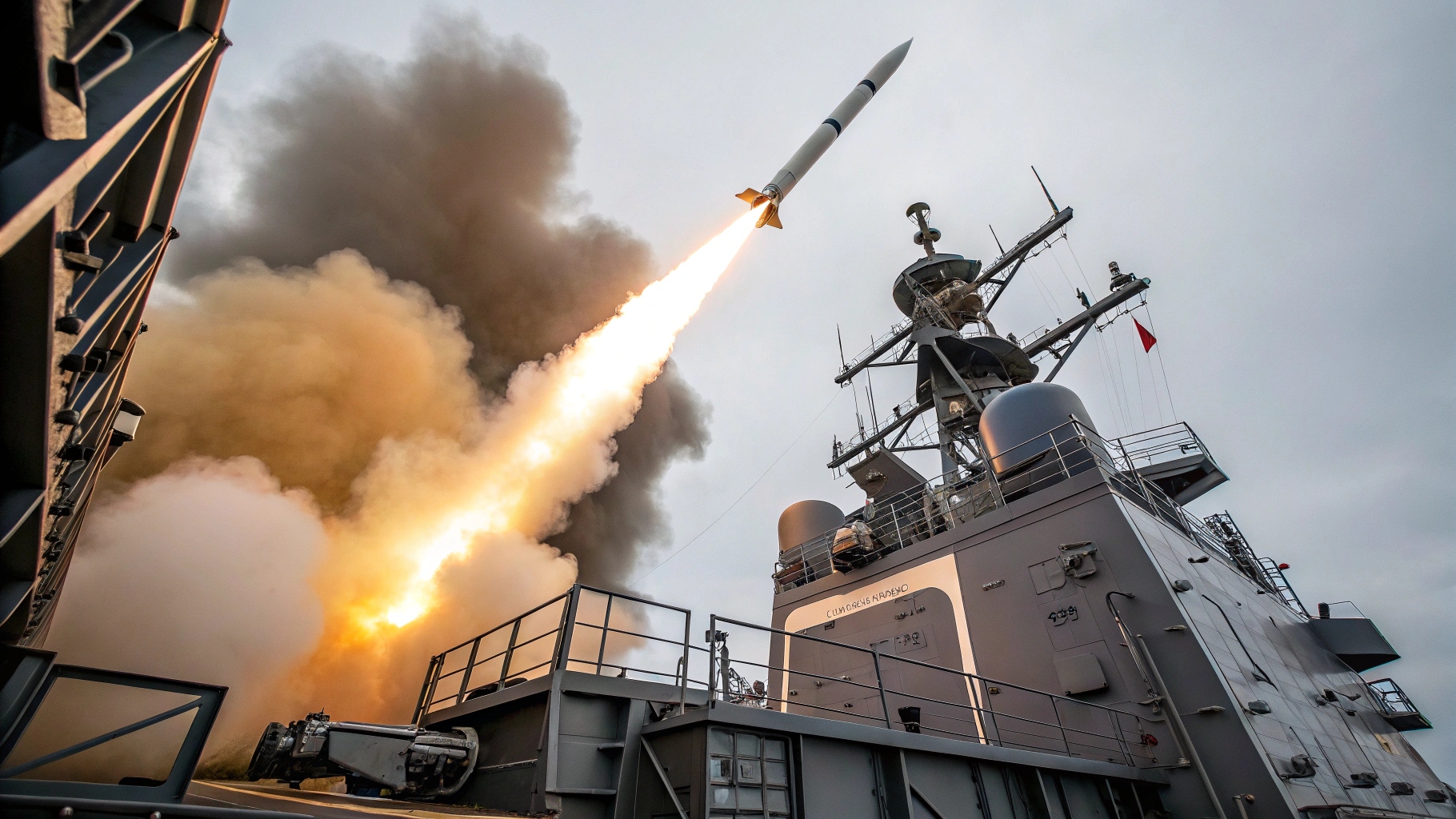

Adani Defence & Aerospace has delivered two indigenous combat systems to the Indian Army under the Emergency Procurement (EP-6) initiative, marking a significant step in India’s push toward rapidly deployable precision warfare capabilities.
The systems — the UAV-Launched Precision Guided Missile (ULPGM) and the AGNIKAA VTOL-I FPV loitering munition — reflect a broader shift toward autonomous strike systems, distributed battlefield lethality, and tactical precision engagement.
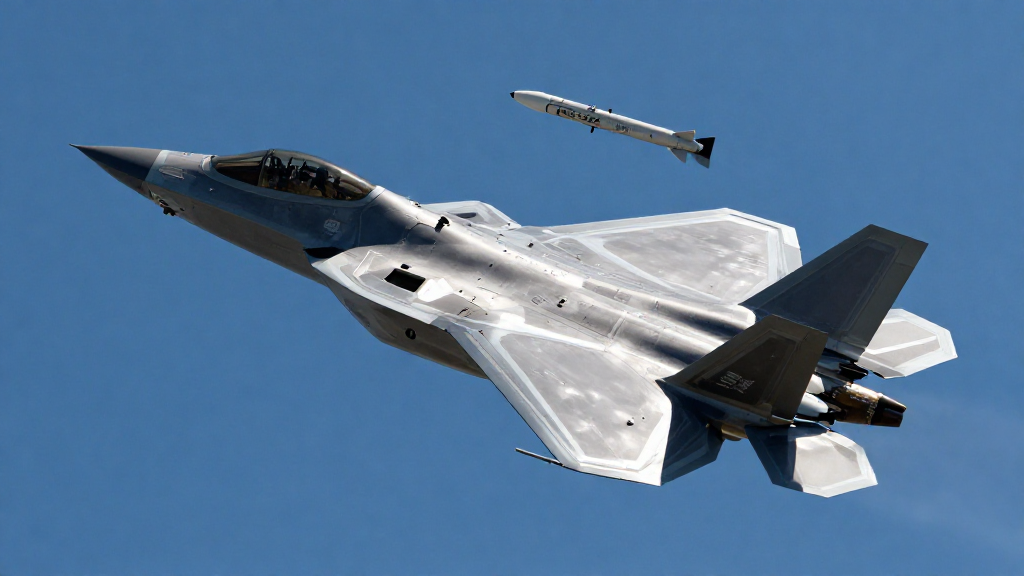
ULPGM: Precision From the Air
The ULPGM is considered a key outcome of India’s Development-cum-Production Partner (DcPP) framework, combining technological input from Research Centre Imarat of the Defence Research and Development Organisation with production support from Adani Defence & Aerospace and Bharat Dynamics Limited.
Built for lightweight precision strikes, the missile reportedly achieves an accuracy level with a CEP close to 10 centimeters, enabling highly targeted attacks on equipment, vehicles, bunkers, and other strategic targets with minimal collateral impact.
Its relatively compact weight — from around 5 kilograms for the VI variant to roughly 12.5 kilograms for the V2 model — allows UAVs to carry multiple munitions per sortie, improving strike density without requiring larger drone platforms.
The missile integrates an uncooled imaging infrared seeker resistant to standard electronic countermeasures, while a two-way datalink supports in-flight course corrections and target updates. This enables effective engagement of moving targets and rapidly changing battlefield situations.
Such features make ULPGM suitable for counter-armor operations, infrastructure strikes, and attacks against high-value battlefield assets.
AGNIKAA VTOL-I: Tactical FPV Strike System
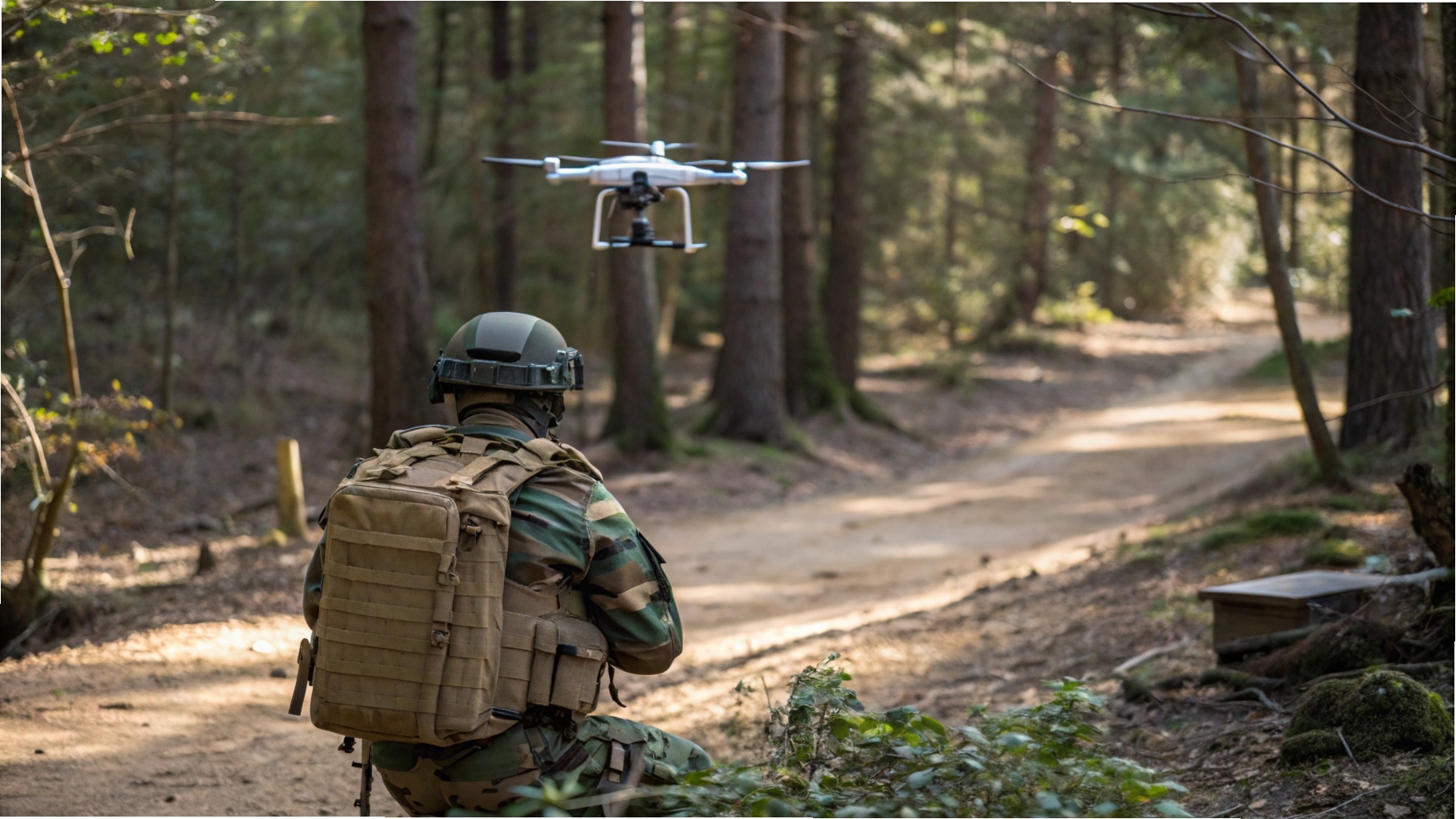
Alongside ULPGM, Adani Defence & Aerospace has also supplied the AGNIKAA VTOL-I FPV loitering munition, a portable strike system designed for frontline tactical use.
Its vertical take-off and landing capability eliminates the need for launch rails or catapult systems, enabling rapid deployment from restricted or mountainous terrain such as Ladakh and Arunachal Pradesh.
The FPV functionality gives operators live visual feedback during missions, allowing precise manual control and engagement of concealed or moving targets. Experiences from recent operations, including Operation Sindoor, demonstrated the effectiveness of operator-guided drones in modern combat environments.
AGNIKAA can reportedly carry multiple warhead configurations, including anti-personnel fragmentation payloads and explosively formed penetrators, enabling engagements against soft targets, light armored vehicles, and fortified positions.
EP-6 and India’s Indigenous Defense Push
Both systems are being inducted through the EP-6 emergency procurement program launched in response to evolving security conditions following the 2025 military standoff.
Unlike traditional defense procurement cycles, EP-6 mandates contract completion within 40 days and deliveries within a year, highlighting the growing need for rapid battlefield capability integration.
The initiative also strongly supports India’s Atmanirbhar Bharat strategy by prioritizing domestically developed systems instead of imported alternatives. This approach is particularly significant in areas such as drone warfare and loitering munitions, where technological evolution occurs rapidly and battlefield demands continuously change.
Operationally, the ULPGM and AGNIKAA are intended to complement one another. ULPGM offers stand-off precision strike capability from UAVs at distances of approximately 10 kilometers, while AGNIKAA provides close-range tactical loitering strike capability with operational reach estimated between 15 and 20 kilometers depending on mission configuration.
Combined, the two systems create a layered precision-strike architecture intended to improve operational flexibility and tactical effectiveness for the Indian Army.