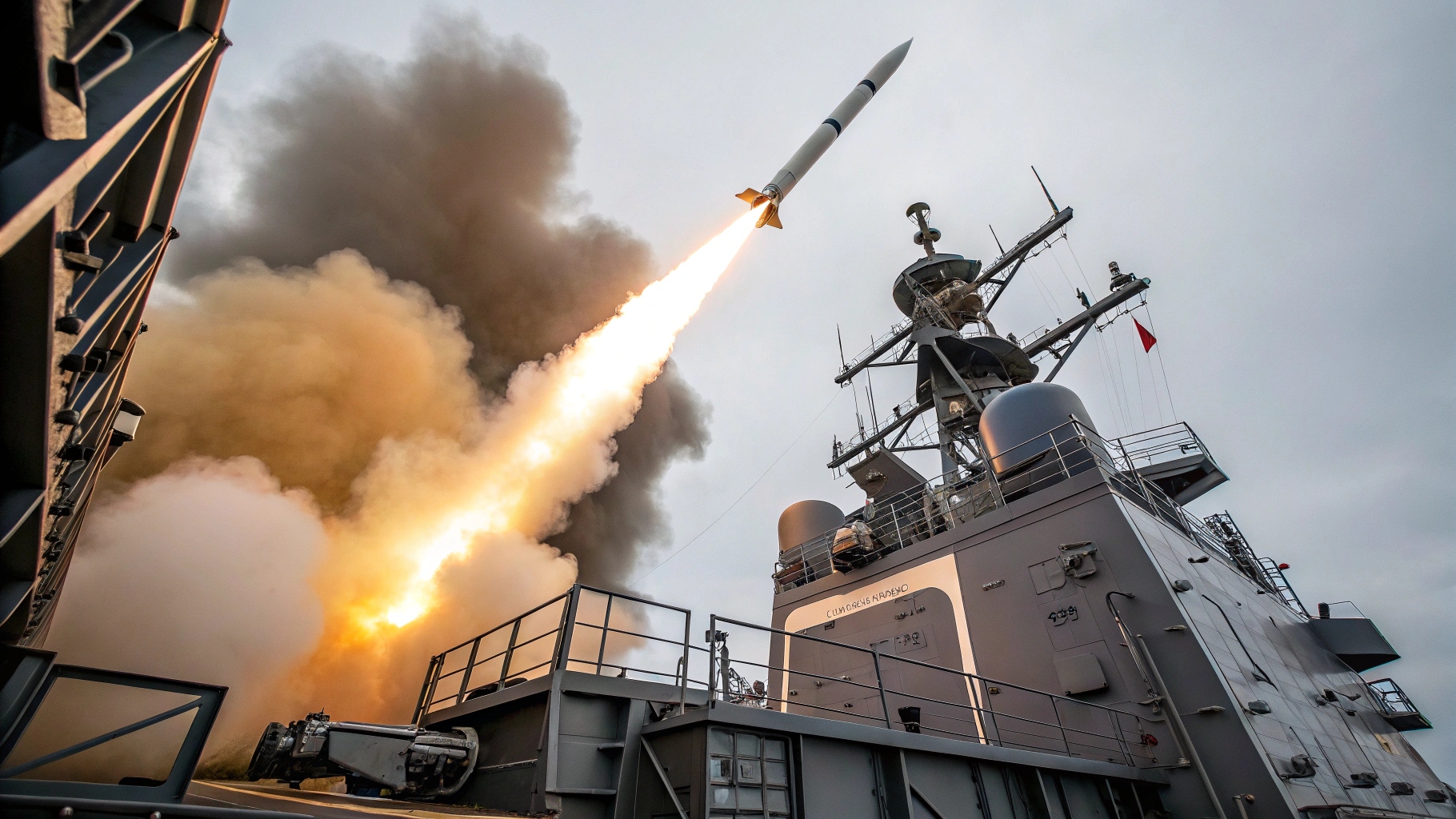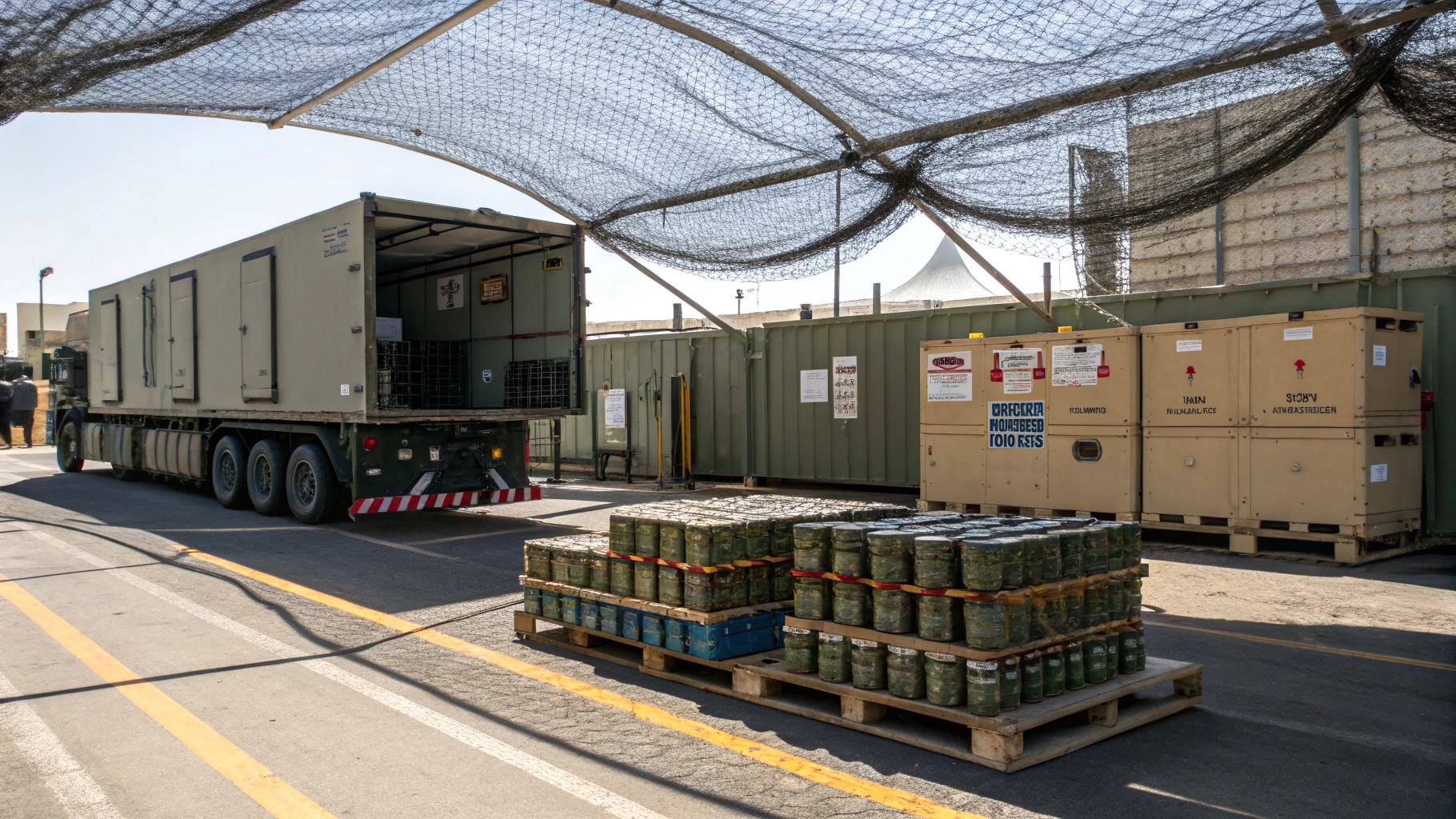

Rafael Advanced Defense Systems and Israel Missile Defense Organization have supplied the first delivery of Tamir interceptor missiles for the United States Marine Corps’ Medium-Range Intercept Capability initiative.
The handover supports the Marine Corps’ first operational MRIC deployment, reintroducing a medium-range air defense function absent since the phase-out of the MIM-23 HAWK air defense system more than two decades ago.
MRIC incorporates the battle-tested Iron Dome platform and its Tamir interceptors into a mobile defensive network customized for expeditionary Marine operations. The trailer-based system is intended to defend fixed and semi-fixed installations against threats ranging from cruise missiles and rockets to mortars, artillery rounds, and unmanned aerial systems.
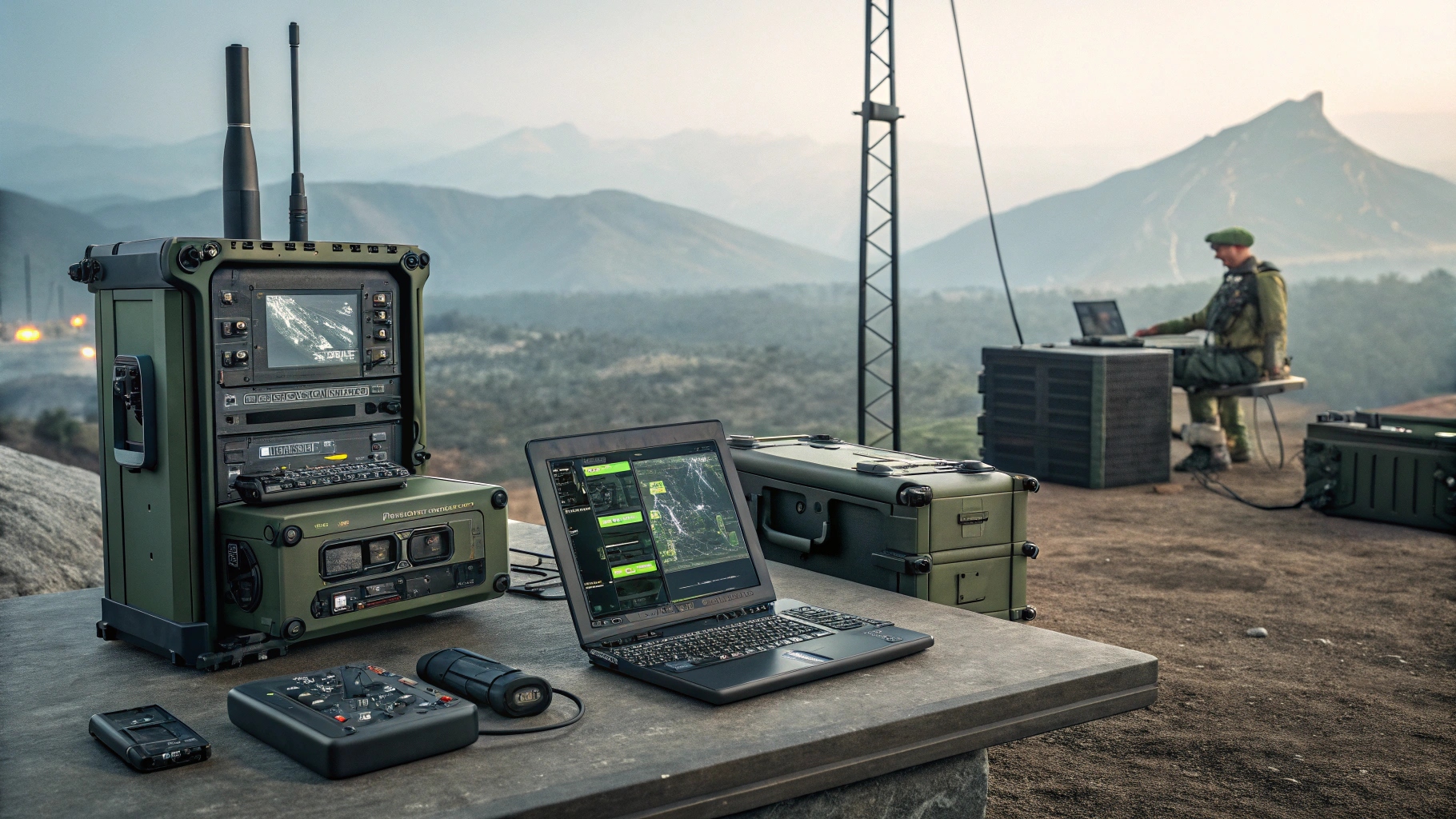
The air defense solution works alongside the AN/TPS-80 Ground/Air Task Oriented Radar and the Common Aviation Command and Control System. Following three successful test events in 2022, the Marine Corps cleared the program for further development, with operational fielding expected from 2025 onward. The goal is to deploy one MRIC battery to each of the service’s three Marine Air Wings by 2028.
Produced by Rafael Advanced Defense Systems, the Tamir missile forms the backbone of Israel’s Iron Dome network. Each launcher can accommodate up to 20 interceptors featuring electro-optical guidance, two-way datalink communications, and proximity-fuzed fragmentation warheads, with engagement ranges extending from 4 to 70 kilometers.
To expand production capacity, Raytheon and Rafael Advanced Defense Systems formed the R2S joint venture in 2024 to establish a Tamir missile production site in East Camden. Completed in late 2025, the facility’s first contract — valued at $1.25 billion — covers the supply of Tamir interceptors for Israel.