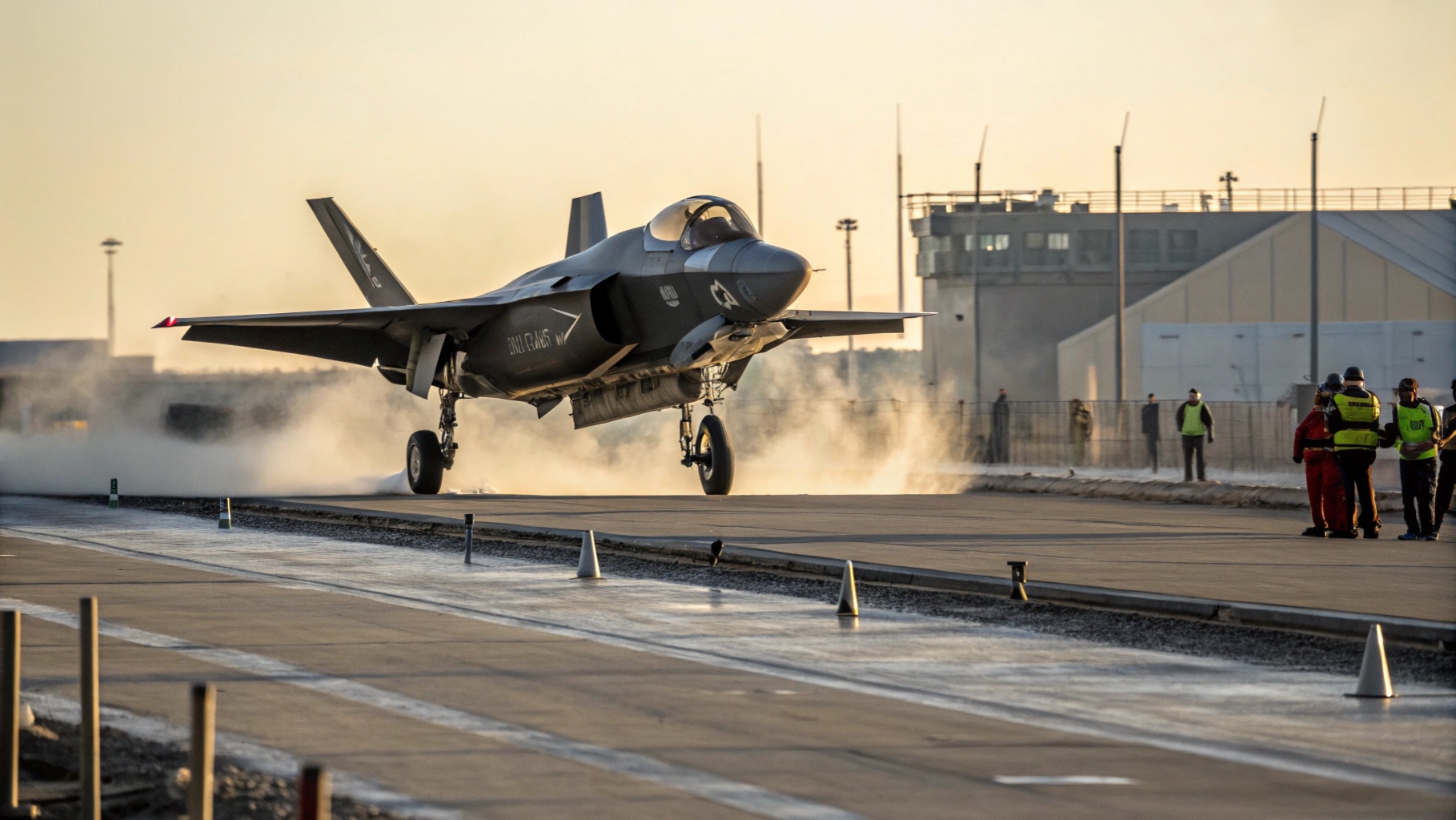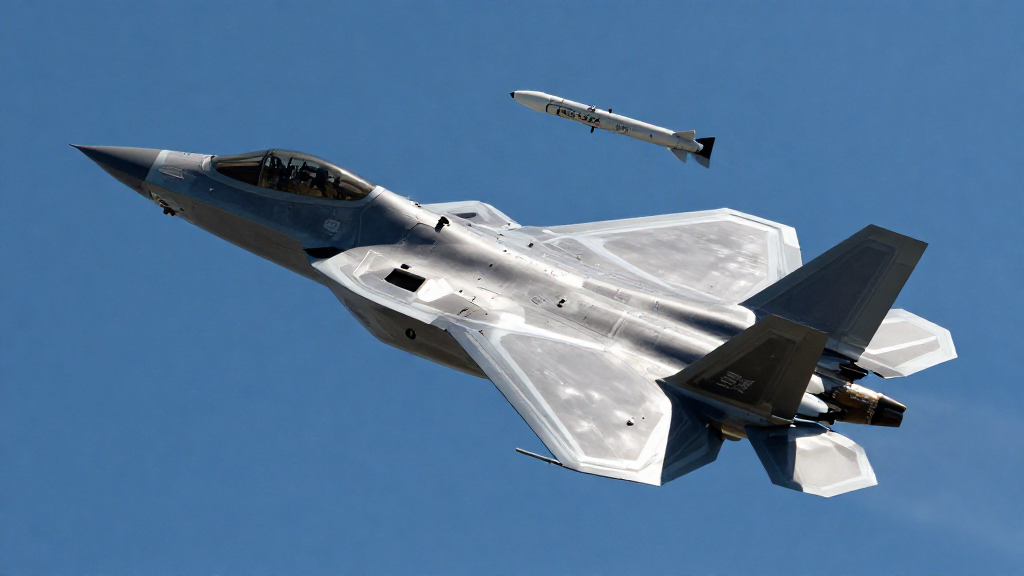

India’s ambitious Advanced Medium Combat Aircraft (AMCA) programme has achieved a significant milestone, with three private-sector contenders submitting bids for the ₹15,000 crore prototype development contract managed by the Aeronautical Development Agency (ADA). The development marks an important step towards advancing India’s indigenous fifth-generation fighter aircraft programme and expanding private-sector participation in the country’s aerospace and defence industry.
The competition aims to select a Development-cum-Production Partner (DCPP), responsible for manufacturing five AMCA prototypes and one structural test specimen based on the aircraft design developed by ADA, a laboratory under the Defence Research and Development Organisation (DRDO).
The three competing bidders include an L&T-led consortium comprising Bharat Electronics Limited (BEL) and Dynamatic Technologies, Tata Advanced Systems Limited (TASL) as an independent bidder, and a Bharat Forge-led consortium in partnership with BEML and Data Patterns. All three participants submitted their proposals within the stipulated deadline, marking the beginning of a crucial evaluation process.
Following the submission, the Ministry of Defence will initiate a comprehensive assessment through a high-level review committee. The initial stage will focus on verifying bid documents and ensuring compliance with tender requirements. This will be followed by a detailed technical evaluation, which is expected to continue until the end of the year. Commercial assessments and price negotiations are likely to take place after the technical scrutiny is completed.
The selected development partner will assume a central role in translating India’s indigenous fifth-generation fighter design into operationally representative prototypes. The AMCA is being developed with advanced stealth characteristics, internal weapons bays, supercruise capability, next-generation sensor fusion and artificial intelligence-enabled avionics. These capabilities are intended to enhance survivability, situational awareness and combat effectiveness in increasingly complex operational environments.
As part of the programme, the successful bidder will also be required to establish a dedicated manufacturing ecosystem near Puttaparthi in Andhra Pradesh. The location is being developed as the centre for the AMCA core integration and flight-testing complex. The facility will support prototype assembly, systems integration, structural evaluation and subsequent flight-development activities, creating an important foundation for the aircraft’s future manufacturing requirements.
The bid submission deadline was previously extended from 27 August to 30 October after participating companies requested additional time to complete the extensive technical and administrative formalities associated with the programme. The competition is particularly significant because it represents the first major opportunity for Indian private-sector companies to take a leading role in developing and manufacturing a complete indigenous fighter aircraft prototype.
Among the shortlisted contenders, TASL brings relevant aircraft manufacturing experience through its partnership with Airbus for the production of C295 tactical transport aircraft for the Indian Air Force. The other participating companies also possess established capabilities across aerospace manufacturing, defence electronics, precision engineering and aircraft component production, although they have not previously undertaken the assembly of an entire fighter aircraft platform.
The current competition follows an earlier technical assessment in which the Ministry of Defence shortlisted three contenders from an initial group of seven participants. The selected DCPP will work closely with ADA throughout the prototype development programme, converting the approved design into flight-capable aircraft that can undergo extensive ground testing, flight trials and certification activities.
The AMCA programme also represents a major transformation in India’s defence manufacturing strategy. For decades, Hindustan Aeronautics Limited (HAL) has remained the country’s principal fighter aircraft manufacturer. However, the decision to involve private-sector companies in the AMCA prototype development phase signals a broader approach towards establishing a competitive and collaborative aerospace manufacturing ecosystem.
Beyond aircraft development, the programme is expected to create opportunities for Indian manufacturers involved in advanced materials, avionics, radar systems, propulsion technologies, electronic warfare equipment and precision-engineered components. Greater private-sector involvement could also encourage technology development, industrial investment and stronger integration of domestic suppliers into global aerospace supply chains.
The AMCA is envisioned as a key component of the Indian Air Force’s future combat aviation capabilities, providing the country with an indigenous fifth-generation fighter platform while reducing long-term dependence on foreign defence technologies. Its development is also expected to strengthen India’s technological capabilities and support the growth of its domestic aerospace industry.
The prototype development phase will be instrumental in validating the aircraft’s design, integrating critical technologies and establishing the foundation for eventual serial production and induction during the coming decade.
With three major private-sector contenders now entering the evaluation process, the AMCA programme has reached a defining stage. The selection of the development partner will not only influence the progress of India’s next-generation fighter aircraft but also shape the future role of private industry in the country’s advanced defence manufacturing landscape.