For decades, armored vehicle design has been defined by a tradeoff: speed versus protection. Light vehicles could maneuver quickly but lacked survivability, while heavily armored platforms offered protection at the cost of mobility. The Joint Light Tactical Vehicle (JLTV) was introduced to overcome this limitation.
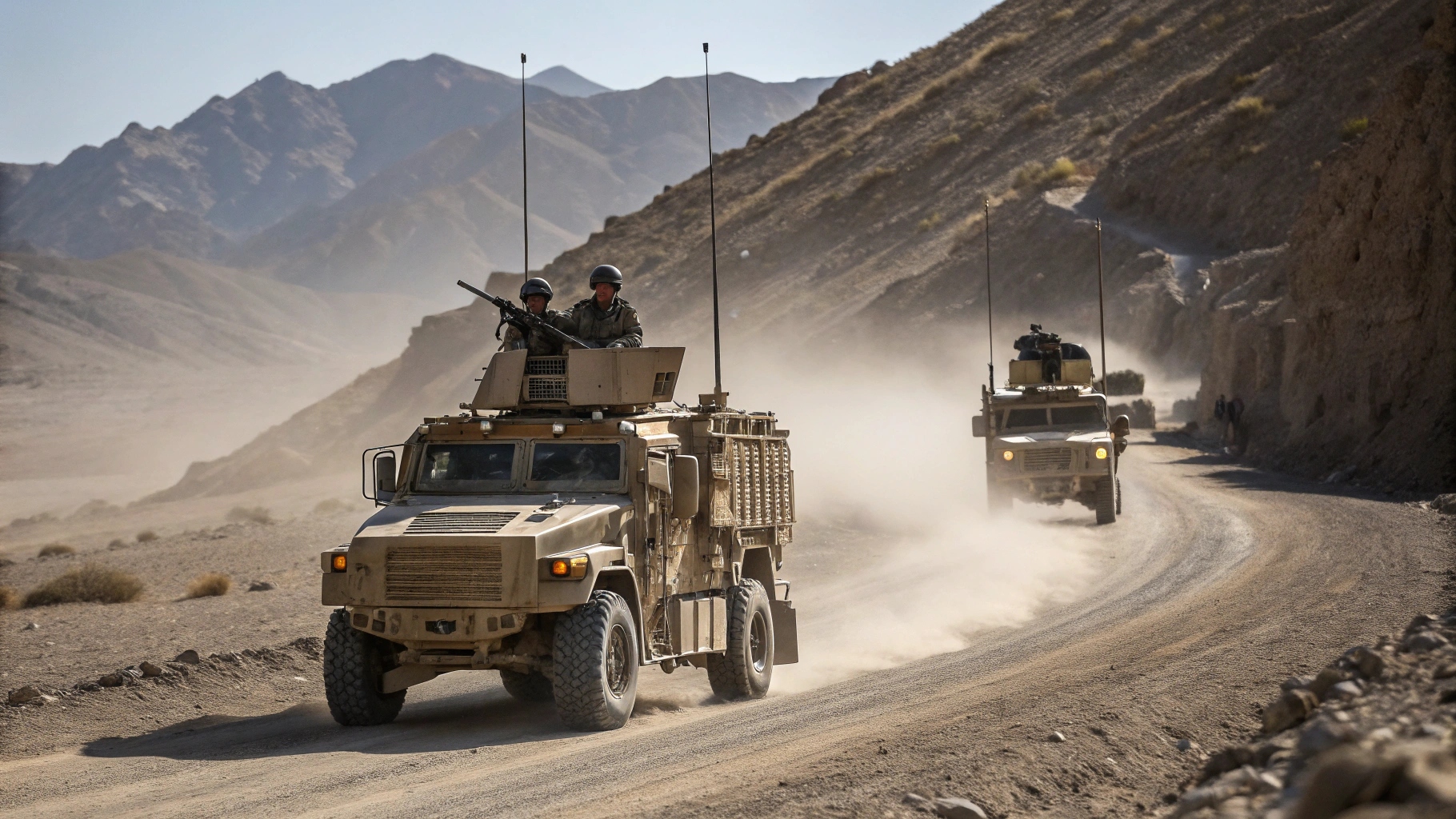
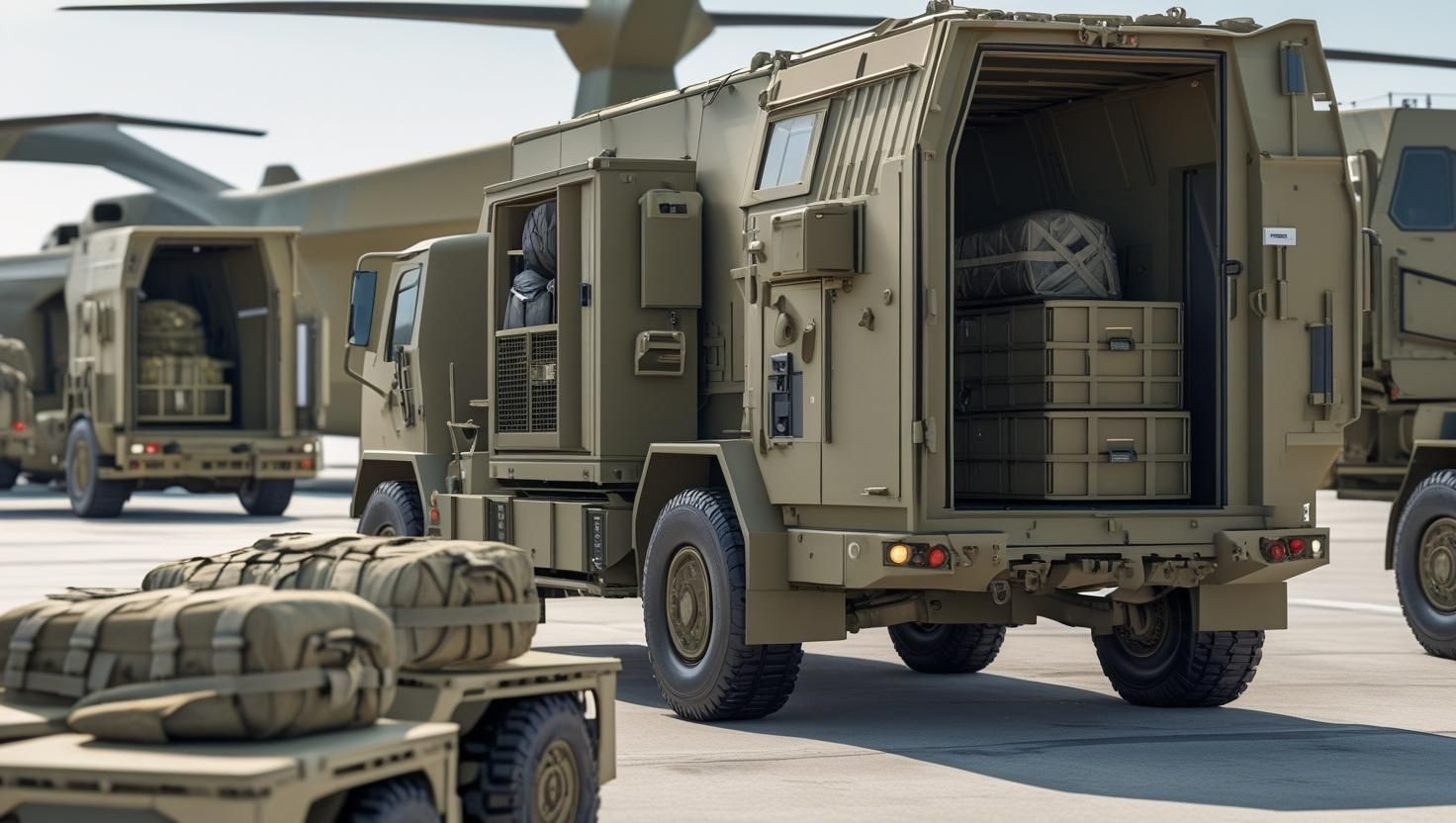
The Joint Light Tactical Vehicle is a next-generation light tactical truck developed to replace parts of the Humvee fleet. Designed for the US Army and US Marine Corps, it combines improved armor, superior off-road performance, and higher payload capacity with flexibility for diverse mission roles. Developed by Oshkosh Defense, which won the production contract in 2015, the JLTV integrates operational insights from both the Humvee and MRAP programs and is now being adopted by allied forces worldwide.
The program originated from lessons learned in Iraq and Afghanistan, where the vulnerability of legacy vehicles to roadside bombs became evident. The Pentagon launched the JLTV initiative to deliver a platform that could offer enhanced protection while maintaining the agility of light tactical vehicles and ensuring air transportability. Following competitive trials, Oshkosh introduced a design featuring advanced suspension, scalable armor, and a digital systems backbone.
The JLTV is available in several mission-specific variants, including a general-purpose model for transport and logistics, a heavy guns carrier for larger weapon systems, and a close combat weapons carrier for anti-armor roles. These configurations can be tailored with remote weapon stations, communications equipment, and specialized mission kits.
Its advanced TAK-4i suspension system provides exceptional mobility across rough terrain, while MRAP-inspired design elements enhance blast protection. Modular armor allows customization based on threat levels, and a modern digital architecture supports integration into networked combat environments.
While the JLTV offers a strong balance of protection, mobility, and adaptability, it comes with tradeoffs such as increased weight compared to the Humvee and higher acquisition costs. Nonetheless, its versatility has driven widespread adoption, with roles spanning reconnaissance, troop movement, command operations, and weapons deployment, making it a key asset in modern expeditionary warfare.