
The Royal Navy has appointed Ocean Infinity Solutions as its commercial mission partner under a £90 million (approximately $119 million) investment programme aimed at enhancing undersea surveillance capabilities and addressing potential threats posed by Russian submarines.
The initiative, known as Atlantic Net, represents the first operational component of the broader Atlantic Bastion programme. The wider initiative seeks to establish a hybrid naval force that integrates conventional crewed warships and submarines with autonomous and uncrewed maritime platforms.
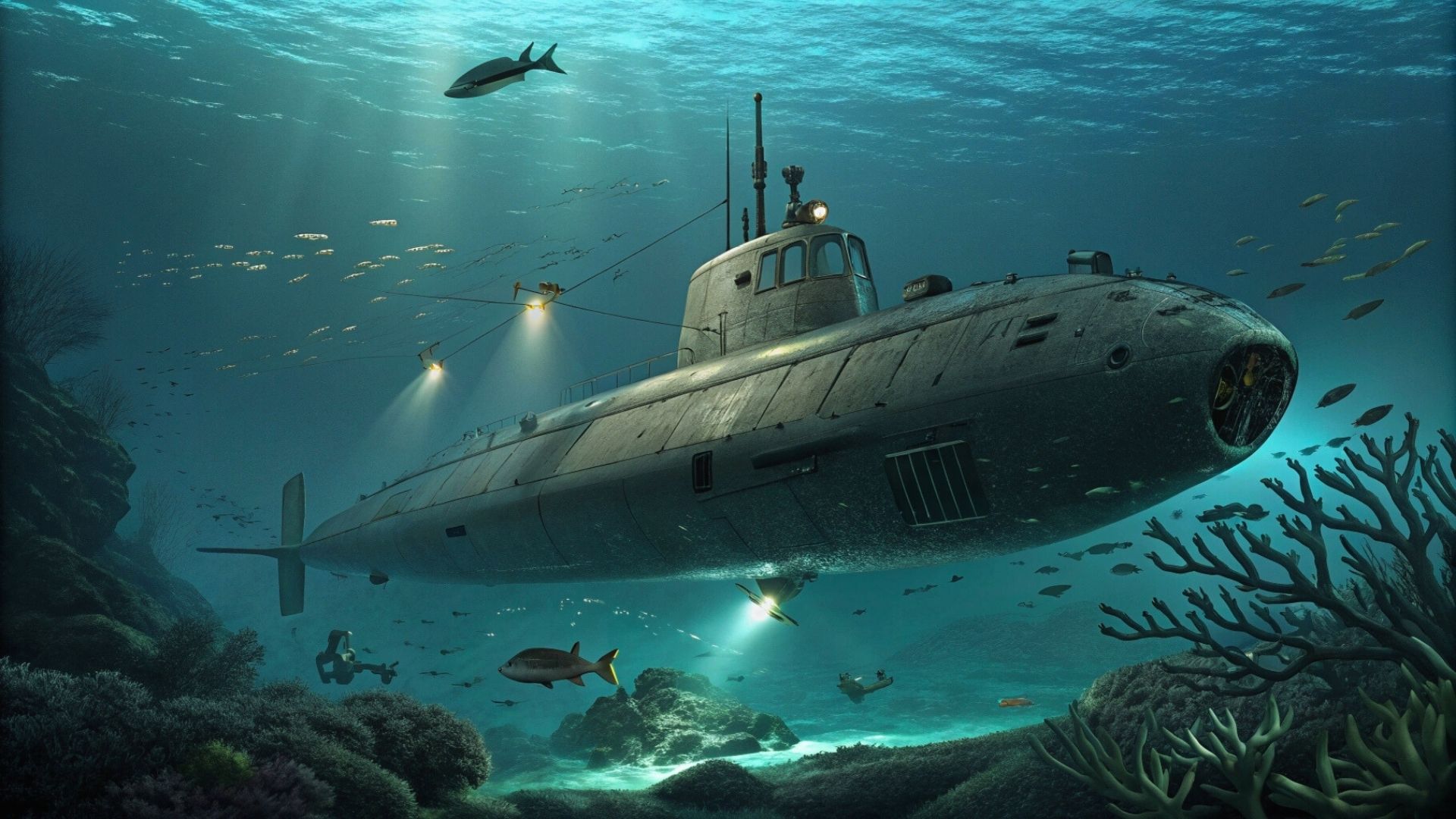
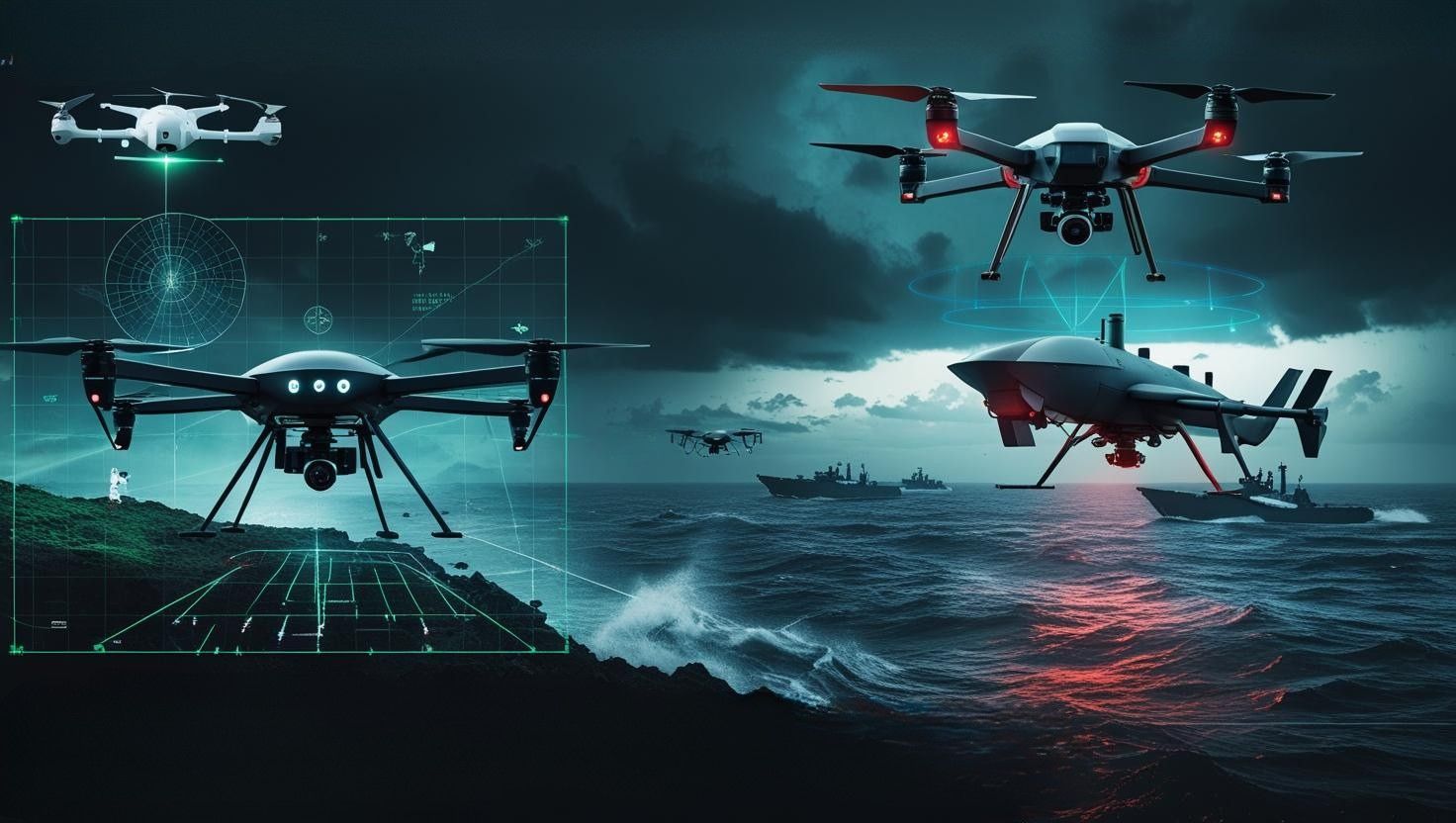
Headquartered in Hampshire, Ocean Infinity will collaborate with specialist technology partners to integrate uncrewed maritime systems, advanced sensors, communication technologies, and artificial intelligence-enabled capabilities. These technologies will support continuous underwater monitoring, improve maritime situational awareness, and help protect critical subsea infrastructure.
The planned surveillance network will extend across the North Atlantic, deploying autonomous platforms and advanced sensor systems to detect underwater activity. The network is expected to provide submarine-hunting warships and Astute-class submarines with earlier threat warnings and improved visibility of potential underwater threats.
Ocean Infinity’s Armada Fleet
Although the Royal Navy has not yet disclosed the specific platforms and technologies that will form part of Atlantic Net, Ocean Infinity brings experience in operating robotic maritime systems for commercial seabed surveying and offshore operations.
The company’s remotely operated Armada 86-06 vessel participated in the Royal Navy’s pre-qualification trials for the initiative earlier in 2026, demonstrating its involvement in the programme’s assessment process.
In December 2025, Ocean Infinity completed the delivery of its 14-vessel Armada fleet. The fleet comprises 78-metre and 86-metre vessels (256 feet and 282 feet) designed to support lean-crewed maritime operations. These platforms are equipped for offshore survey missions and can deploy remotely operated vehicles (ROVs) and autonomous underwater vehicles (AUVs) to collect detailed seabed information.
Beyond strengthening the UK’s maritime surveillance infrastructure, the agreement is expected to generate employment opportunities, supporting nearly 200 skilled jobs within Ocean Infinity and its immediate supply chain.
UK Minister for Defence Readiness and Industry Luke Pollard stated that Atlantic Net is expected to become operational from 2027, with the Greenland-Iceland-United Kingdom (GIUK) gap identified as an initial priority for deployment.
The development highlights the UK’s increasing focus on autonomous maritime technologies, integrated underwater surveillance, and advanced sensor networks to strengthen North Atlantic security. Through Atlantic Net, the Royal Navy aims to expand its ability to monitor underwater activity and protect strategically important maritime infrastructure.