
India’s Defence Acquisition Council (DAC), chaired by Defence Minister Rajnath Singh, has approved capital acquisition proposals worth approximately ₹2.12 lakh crore for the country’s armed forces, marking a major milestone in India’s ongoing military modernisation programme. The approvals represent one of the largest defence acquisition initiatives in recent years, with a strong emphasis on advanced combat technologies, operational mobility, surveillance capabilities and indigenous defence manufacturing.
Approximately 82% of the proposed acquisitions are expected to be sourced from Indian industry, reinforcing the government’s commitment to strengthening domestic defence production under the Aatmanirbhar Bharat initiative. The approvals have been granted as Acceptance of Necessity (AoN), an initial procurement milestone that allows the acquisition process to progress towards tendering, vendor selection and eventual contract finalisation.
For the Indian Army, the acquisition package reflects an evolving operational strategy focused on long-range precision engagement, unmanned warfare, counter-drone systems, battlefield surveillance and rapid deployment capabilities. The approved requirements include long-range kamikaze drones, surveillance unmanned aerial vehicles (UAVs), Integrated Surveillance and Strike Systems, long-range unmanned aerial systems, platform-based Counter-Unmanned Aerial Systems (C-UAS), Very Short-Range Air Defence Systems (VSHORADS), Light Multi-Role Helicopters (LMRH), Self-Propelled Tracked Gun Systems, High Mobility Vehicles and Gun Shot Response Systems.
Strengthening Long-Range Precision Strike and Artillery Capabilities
Recent operational developments have highlighted the growing importance of precision-guided weapons, real-time intelligence and integrated battlefield surveillance. Lessons from Operation Sindoor have further reinforced the importance of engaging high-value targets at extended distances while maintaining operational flexibility. The newly approved systems are intended to strengthen the Army’s ability to establish an integrated sensor-to-shooter network, enabling commanders to detect, track and engage hostile targets more efficiently.
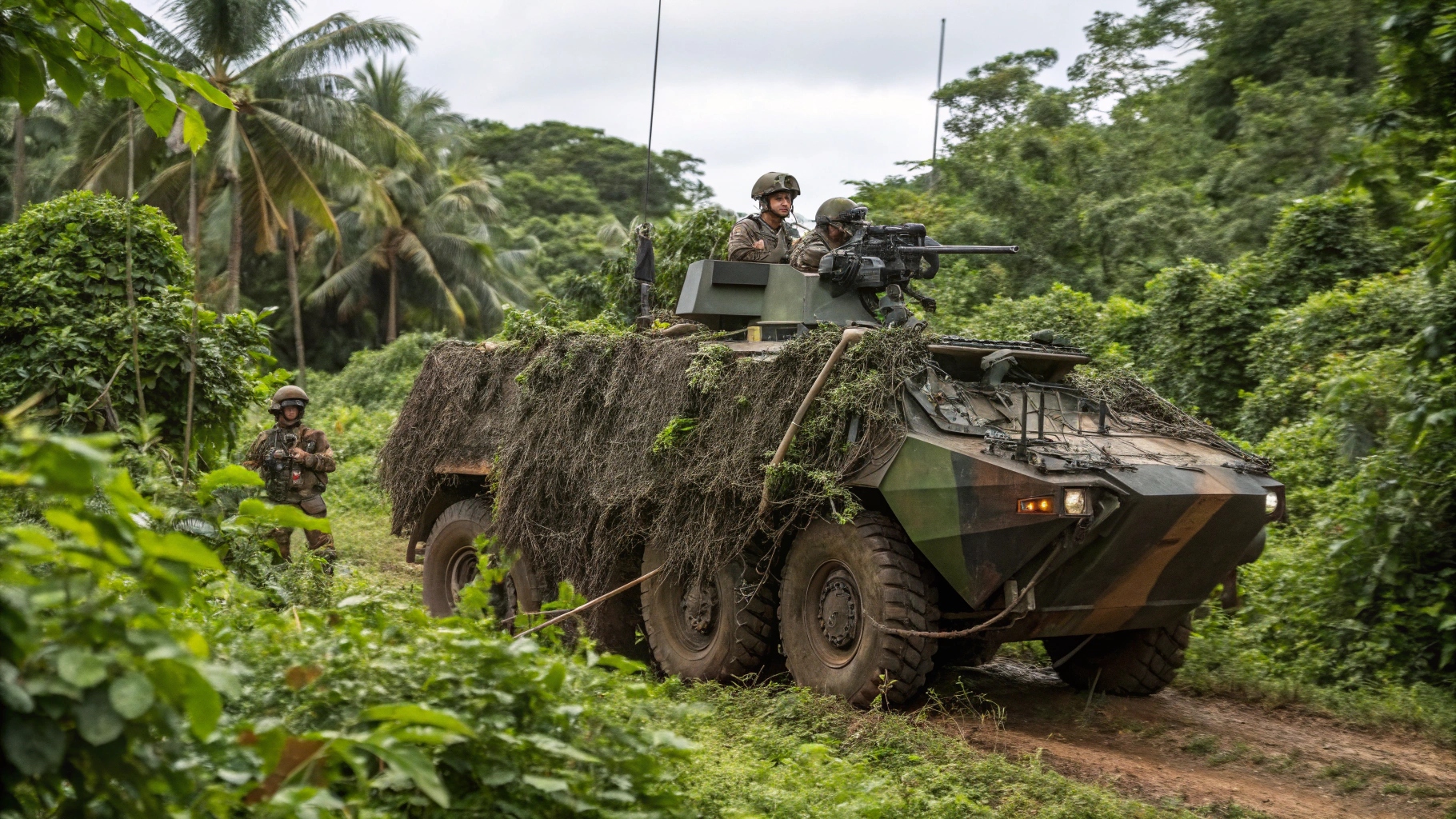
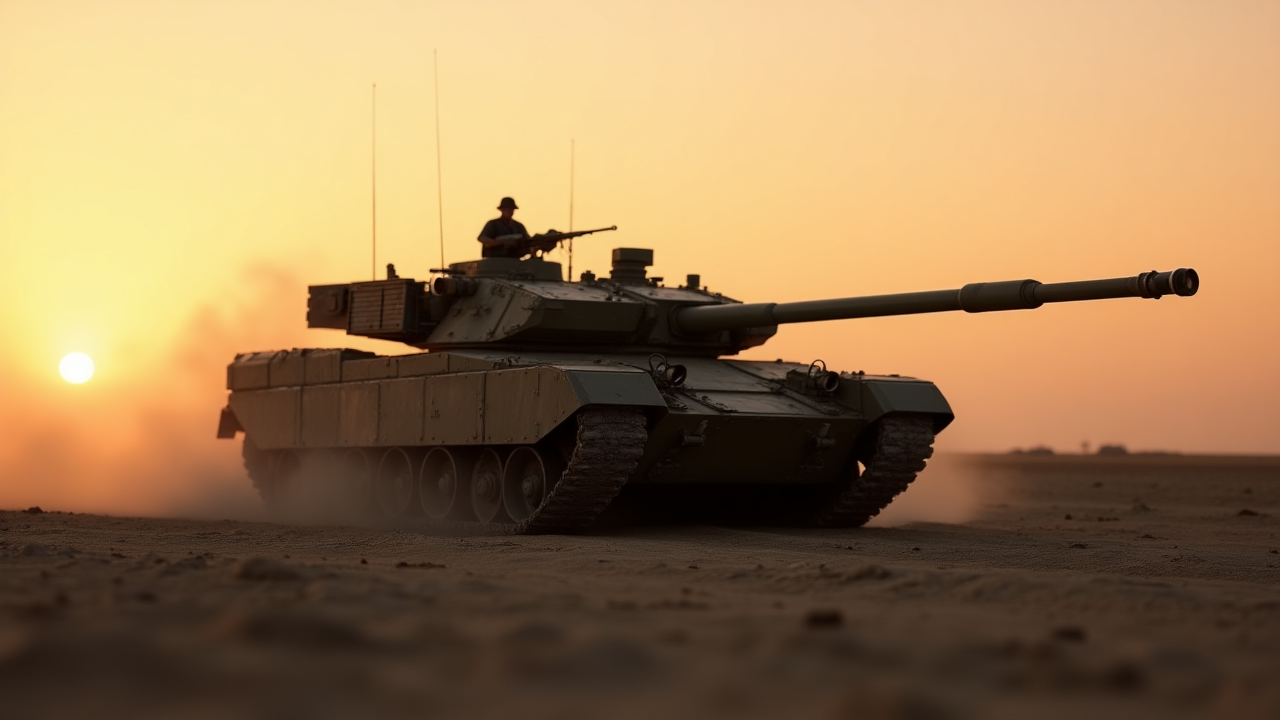
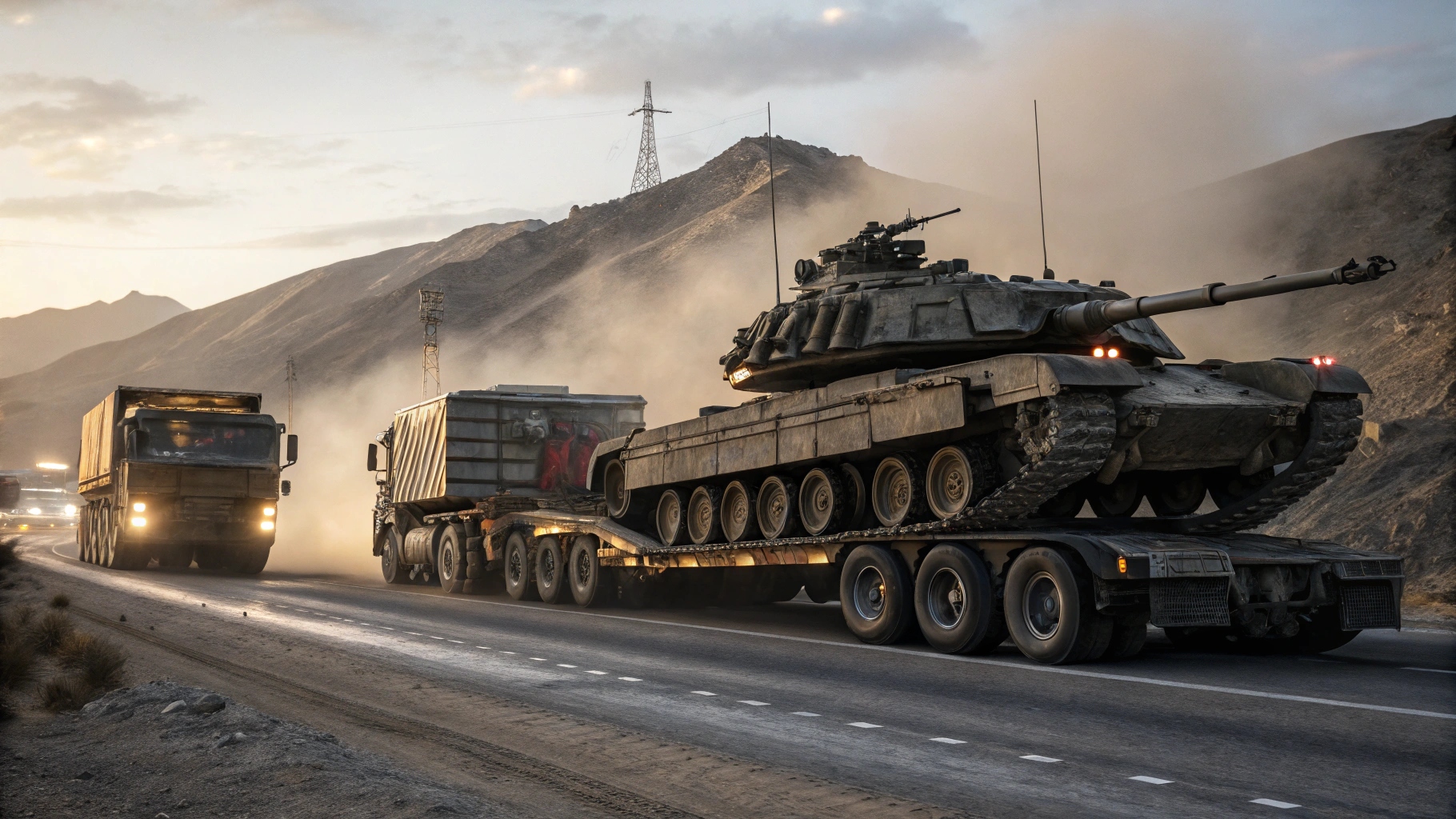
For mechanised formations operating across the Rajasthan desert and Punjab plains, mobile artillery remains essential to maintaining offensive momentum. The proposed Self-Propelled Tracked Gun Systems are intended to provide artillery support that can operate alongside rapidly advancing armoured formations.
Unlike conventional towed artillery, tracked platforms offer greater battlefield mobility and the ability to relocate quickly after firing, reducing vulnerability to enemy surveillance and counter-battery attacks. India’s experience with the K9 Vajra self-propelled howitzer has already demonstrated the operational value of highly mobile artillery systems. Additional capabilities could strengthen the Army’s ability to provide sustained fire support during large-scale mechanised operations.
Another important acquisition is the Gun Shot Response System, designed to improve the detection and localisation of hostile small-arms and sniper fire. Such systems are particularly relevant along the Line of Control and in counter-infiltration operations in Jammu and Kashmir. Acoustic detection technology can help identify the direction and approximate location of incoming fire, enabling security forces to respond more rapidly and improve situational awareness.
Enhancing Mobility Along India’s Northern Frontiers
The Light Multi-Role Helicopter acquisition is expected to address one of the Army’s longstanding aviation requirements. The Indian Army has been seeking replacements for its ageing Cheetah and Chetak helicopter fleets, which have supported high-altitude operations for several decades.
The next-generation helicopters are expected to undertake reconnaissance, surveillance, troop transportation, combat support, search-and-rescue and humanitarian assistance missions. Their induction would improve operational reliability and logistical flexibility in strategically important areas, including Siachen and eastern Ladakh, where extreme altitude and challenging weather conditions place significant demands on aviation assets.
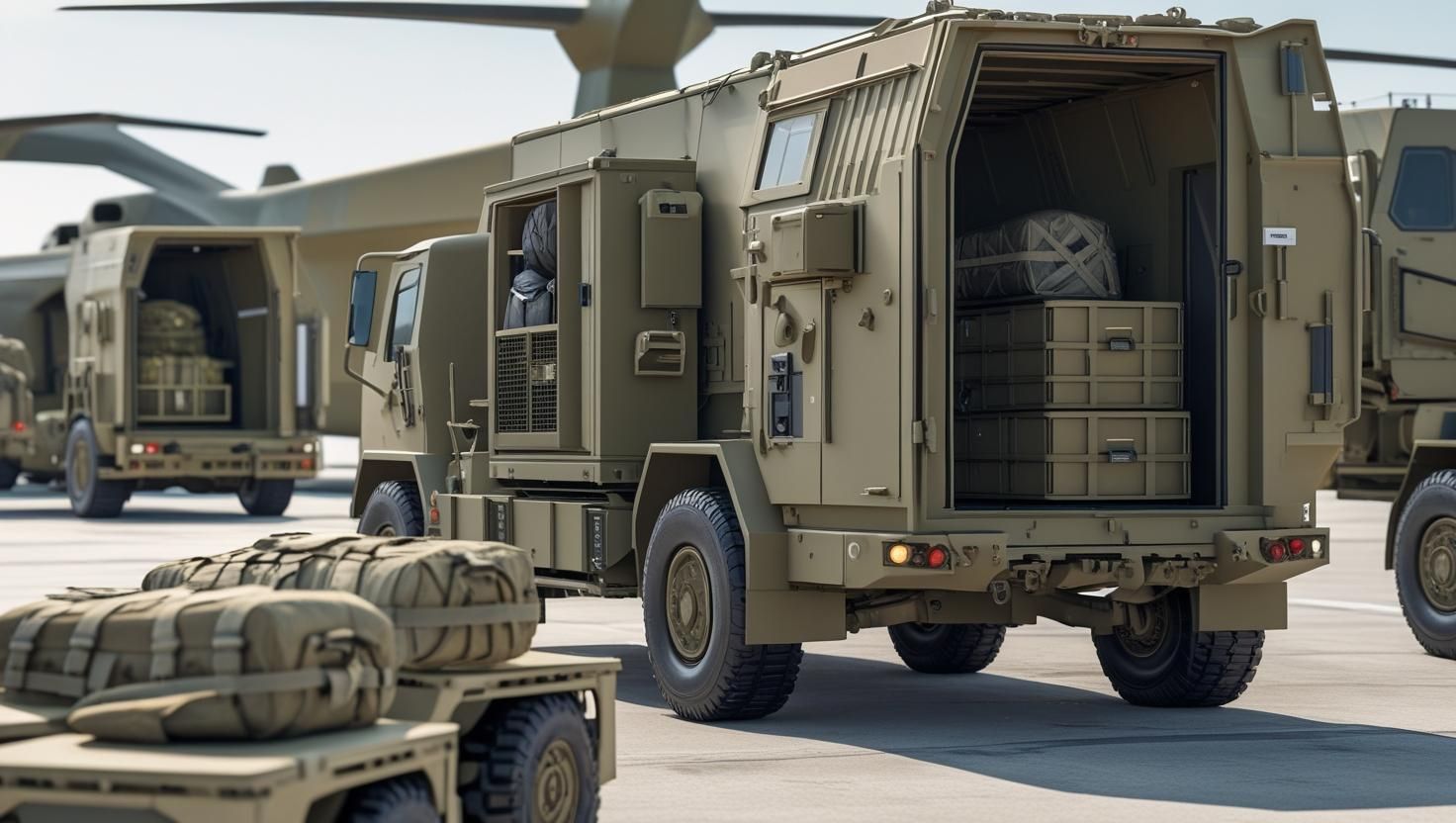
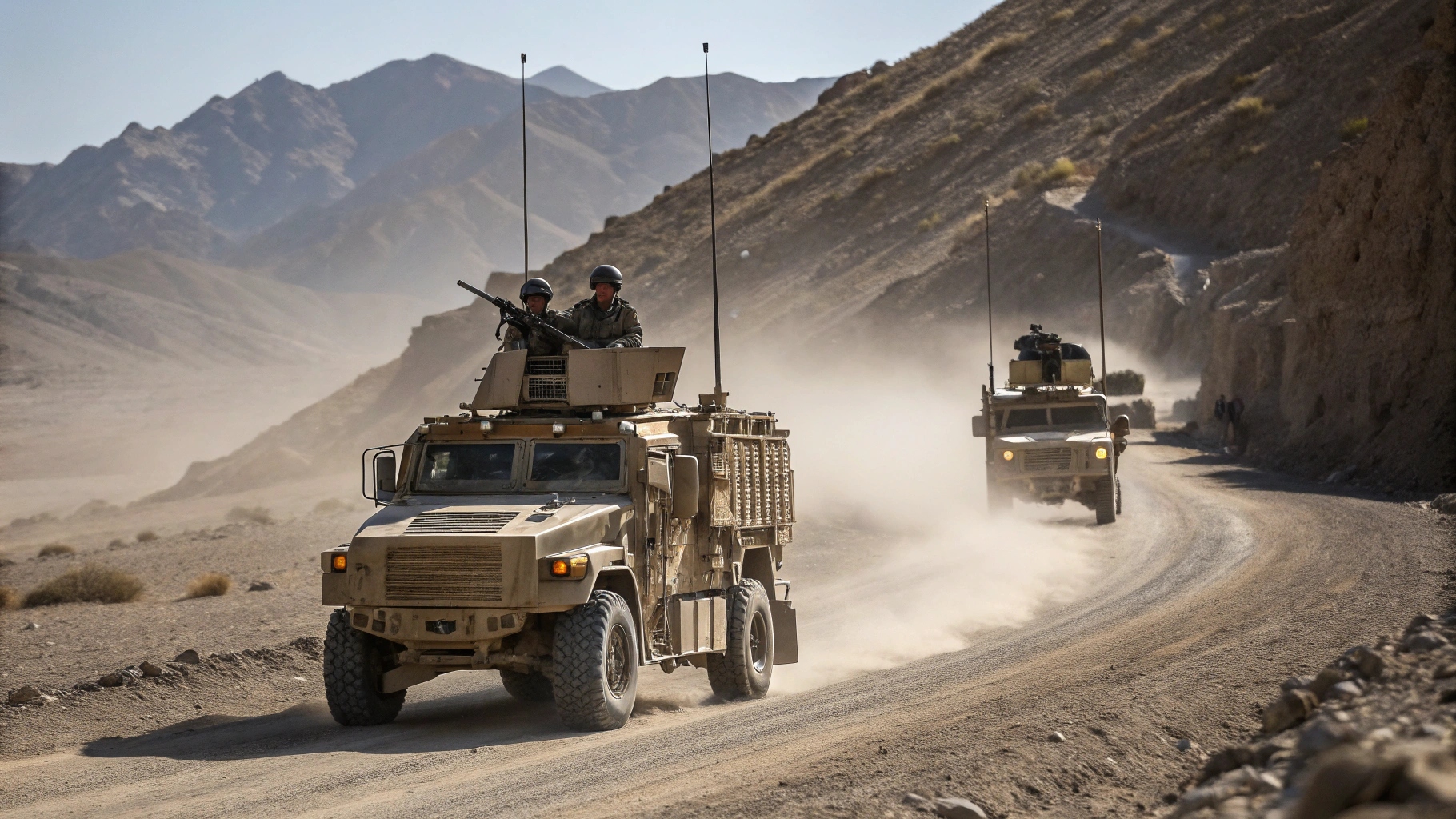
High Mobility Vehicles will further strengthen the Army’s transportation and logistics capabilities across mountainous and plains environments. These platforms are intended to support the movement of personnel, equipment and essential supplies, ensuring that frontline formations can maintain operational readiness during extended deployments.
Improving Air Force Weather Monitoring Capabilities
The Indian Air Force component of the acquisition package includes Mobile X-Band Doppler Weather Radar Systems. Although these systems are not conventional combat platforms, they play an important role in improving aviation safety and operational planning.
Forward operating locations such as Ladakh, Daulat Beg Oldie, Nyoma and Arunachal Pradesh frequently experience rapidly changing weather conditions that can affect aircraft operations. Mobile Doppler radar systems will provide localised meteorological information, supporting more accurate weather assessments, flight planning and operational decision-making. Improved weather awareness could also contribute to higher aircraft availability and more efficient sortie generation from forward airfields.
Expanding India’s Unmanned Warfare Ecosystem
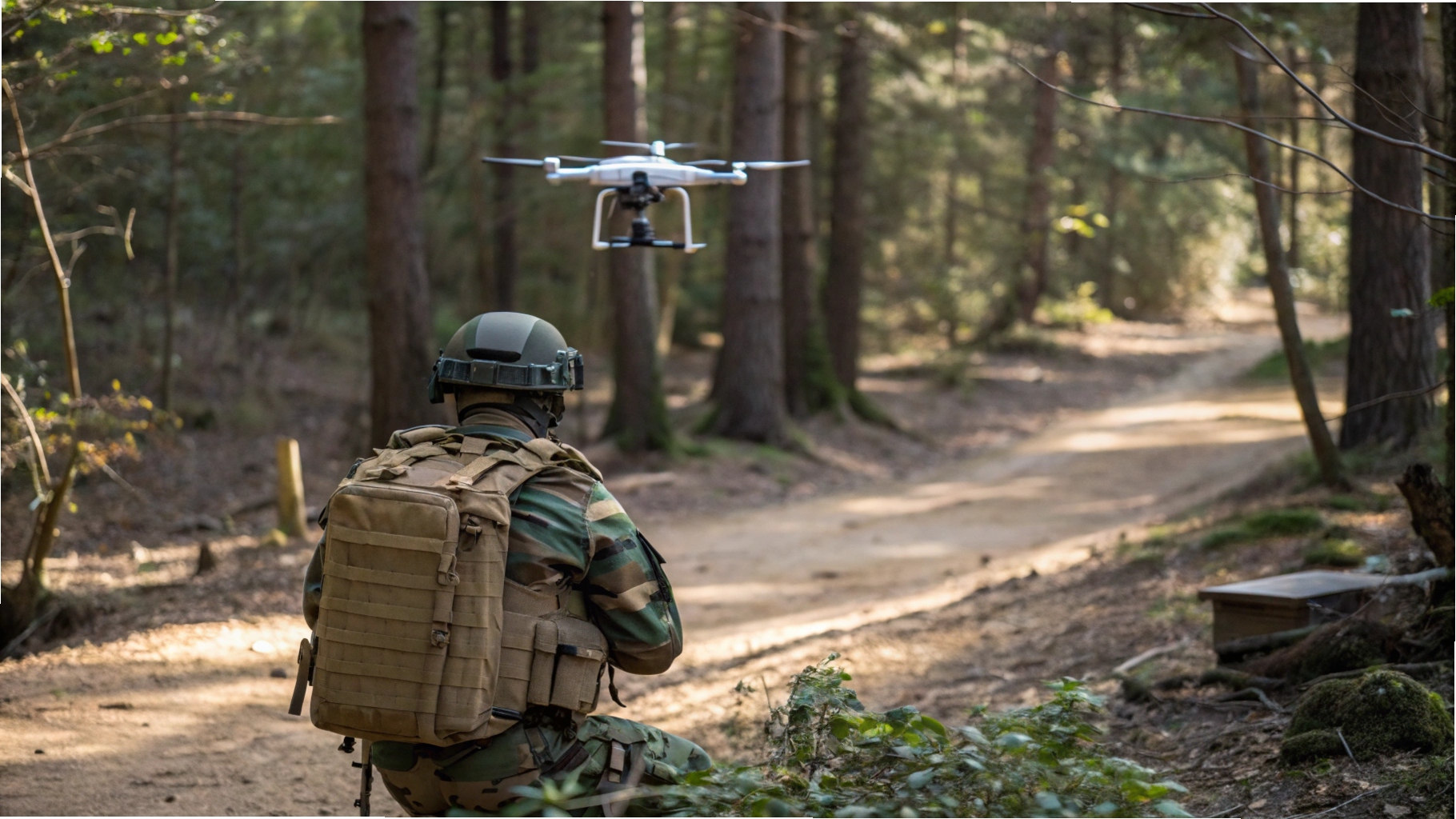
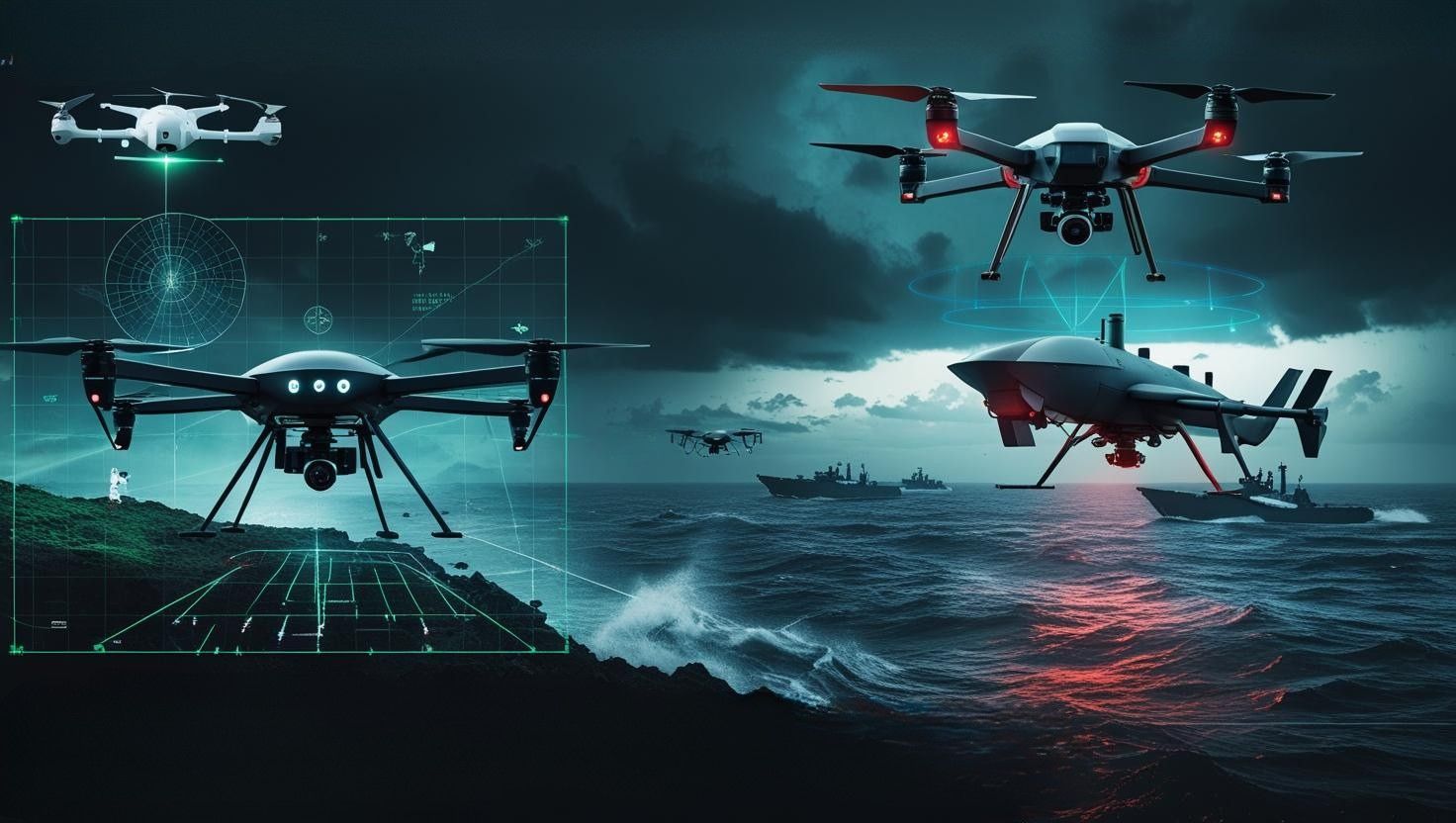
Unmanned systems represent one of the most strategically significant elements of the latest acquisition approvals. The proposed combination of surveillance UAVs, long-range unmanned aerial systems, Integrated Surveillance and Strike Systems and long-range kamikaze drones reflects India’s growing emphasis on persistent intelligence, surveillance and reconnaissance (ISR) and precision engagement.
These platforms are expected to support target identification, continuous battlefield monitoring, intelligence collection, battle damage assessment and precision strikes. Their integration into a broader command-and-control architecture could improve the Army’s ability to identify and engage high-value targets with greater speed and accuracy.
The growing importance of loitering munitions has been demonstrated in conflicts involving Ukraine, the Caucasus and West Asia. These systems offer the ability to remain airborne while searching for targets before executing precision attacks. Long-range kamikaze drones could provide a comparatively economical option for engaging enemy radar installations, command facilities, logistics infrastructure and other strategically important assets.
Strengthening Counter-Drone and Short-Range Air Defence
The latest approvals also address the increasing vulnerability of armoured formations to unmanned aerial threats. Recent conflicts have demonstrated how inexpensive First Person View (FPV) drones and loitering munitions can threaten tanks, armoured vehicles and forward military installations.
Platform-based Counter-Unmanned Aerial Systems are intended to improve the protection of armoured formations by providing dedicated capabilities to detect, track and neutralise hostile drones. Integrating these systems with military platforms could strengthen battlefield survivability and reduce exposure to emerging aerial threats.
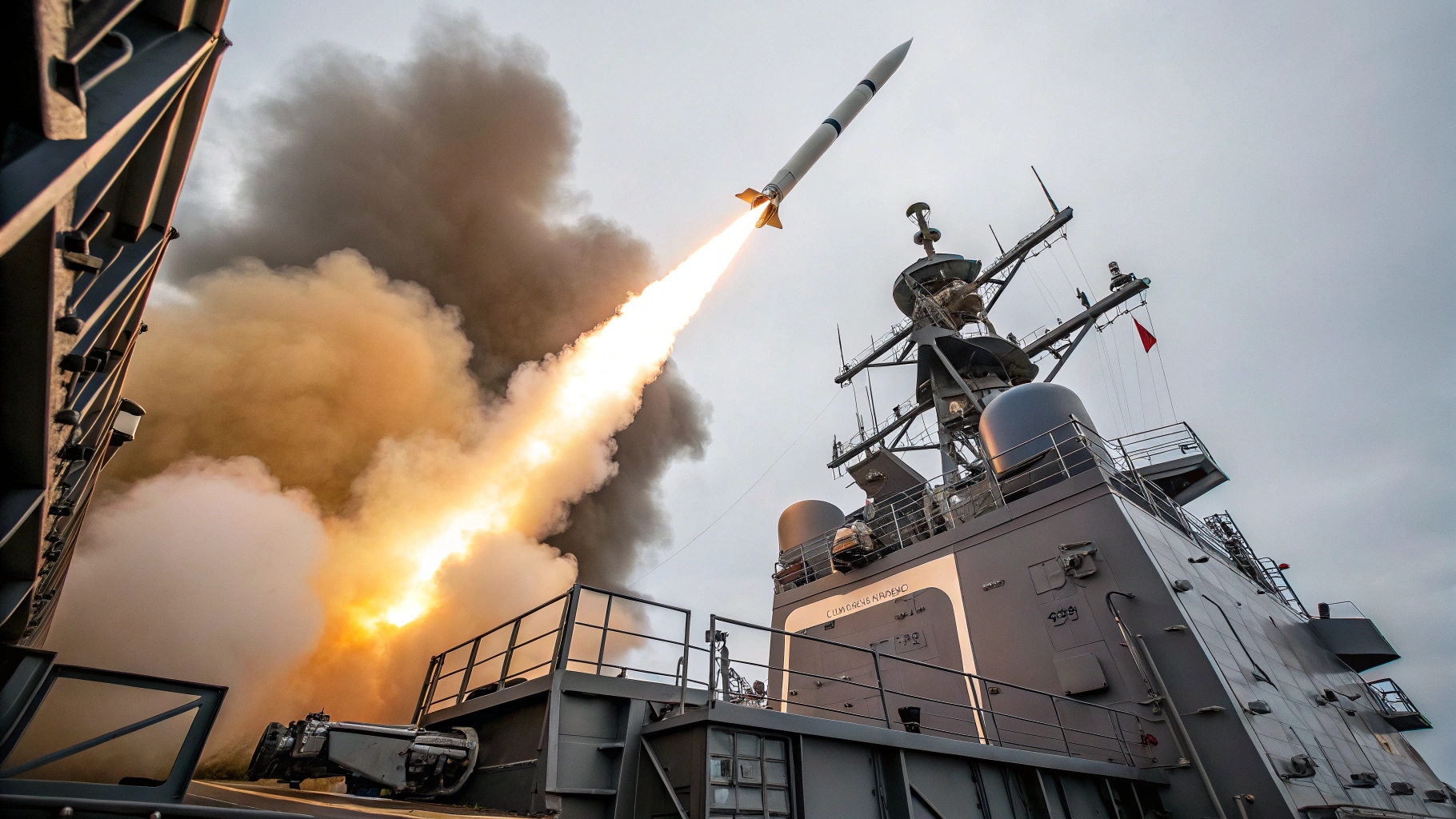
VSHORADS will provide another important layer within India’s expanding air-defence architecture. Designed to engage low-flying aerial threats, these systems are expected to protect frontline formations against hostile helicopters, UAVs and loitering munitions. They will complement higher-tier air-defence platforms such as Akash, Medium-Range Surface-to-Air Missile (MRSAM) and S-400 systems, creating a more comprehensive layered defensive network.
Indigenous Defence Manufacturing and Future Outlook
The approval of approximately ₹2.12 lakh crore in acquisition proposals represents more than an expansion of military equipment inventories. It reflects a broader transformation in India’s defence modernisation strategy, with increasing emphasis on integrated warfare capabilities, autonomous platforms, advanced surveillance technologies and rapid-response systems.
The expected 82% domestic sourcing component could generate significant opportunities for Indian defence manufacturers, aerospace companies, electronics developers and MSMEs. It may also encourage investment in research and development, indigenous component manufacturing, artificial intelligence, electronic warfare and advanced military communication technologies.
Overall, the latest DAC approvals highlight India’s preparations for an increasingly technology-driven battlefield environment, where precision strikes, persistent surveillance, unmanned platforms, electronic warfare and integrated air defence will play decisive roles.
As these acquisition proposals progress towards procurement and contract execution, their successful implementation will be essential to strengthening the operational readiness of the Indian Army and Indian Air Force while advancing the country’s long-term ambition of building a technologically advanced and self-reliant defence industrial ecosystem.