
Moscow has reportedly offered the 3M-14E Kalibr-PL submarine-launched cruise missile to the Indian Navy in response to its 2026 RFI for long-range land-attack missile systems. The proposal is being presented as a high-capability, near-term solution capable of significantly enhancing India’s underwater deep-strike arsenal.
The Indian Navy’s requirement outlines a strike range of 50–500 km, but the Kalibr-PL reportedly delivers an extended range of up to 1,500 km. This substantial increase would allow submarines to conduct long-range precision strikes against strategic targets from safe standoff distances, well outside hostile ASW zones, thereby strengthening India’s deterrence posture.
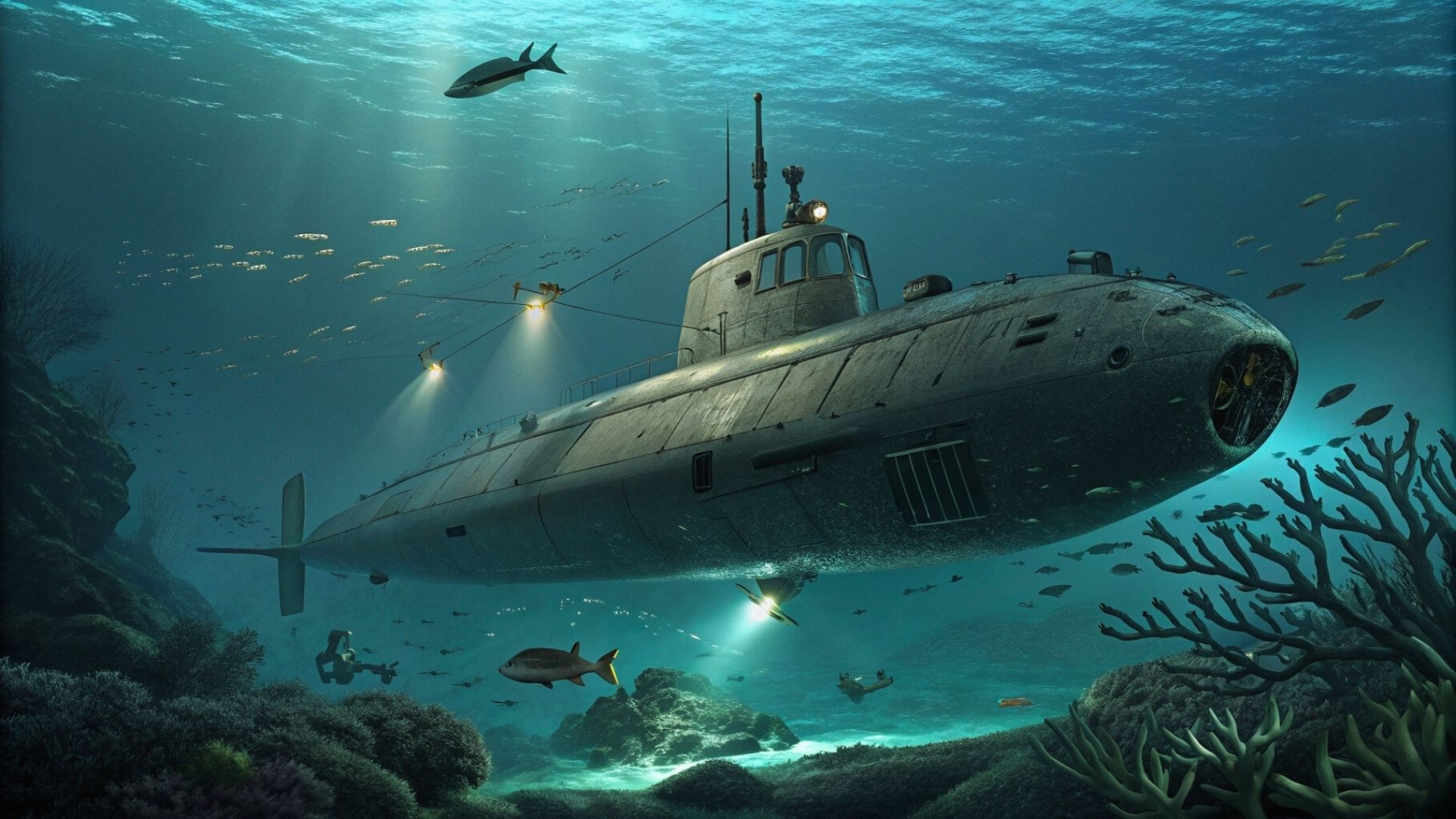
One of the key elements of Russia’s pitch is the system’s low integration complexity. The missile can be launched from standard 533 mm torpedo tubes, making it compatible with existing Sindhughosh-class submarines, which were originally designed to operate the Club-S missile system. This reduces the need for extensive hardware modifications and focuses integration efforts on software and fire-control updates.
Russia has also indicated that the Kalibr-PL could be integrated into the Kalvari-class submarines with relatively limited adjustments. Achieving this would enable cross-platform standardization of submarine-launched land-attack capabilities across India’s diverse submarine fleet, improving operational flexibility.
The Kalibr-PL is a combat-tested system featuring a combination of inertial navigation, GLONASS-based guidance, and terrain-following capabilities to ensure high accuracy. By contrast, India’s indigenous SLCM program under the Defence Research and Development Organisation is still in development, with a shorter expected range and pending full validation, particularly for submerged launches.
Russia is positioning the missile as a stopgap capability to bridge the gap until domestic systems are ready. However, this approach must be evaluated in the context of India’s Atmanirbhar Bharat policy, which emphasizes indigenous development, as well as the challenges posed by sanctions on Russia that could impact lifecycle support and supply chains.
At the same time, European defense firms are expected to compete with alternatives such as submarine-launched variants of naval cruise missiles, offering lower range but potentially fewer geopolitical risks and stronger alignment with Western-origin platforms like the Scorpene.