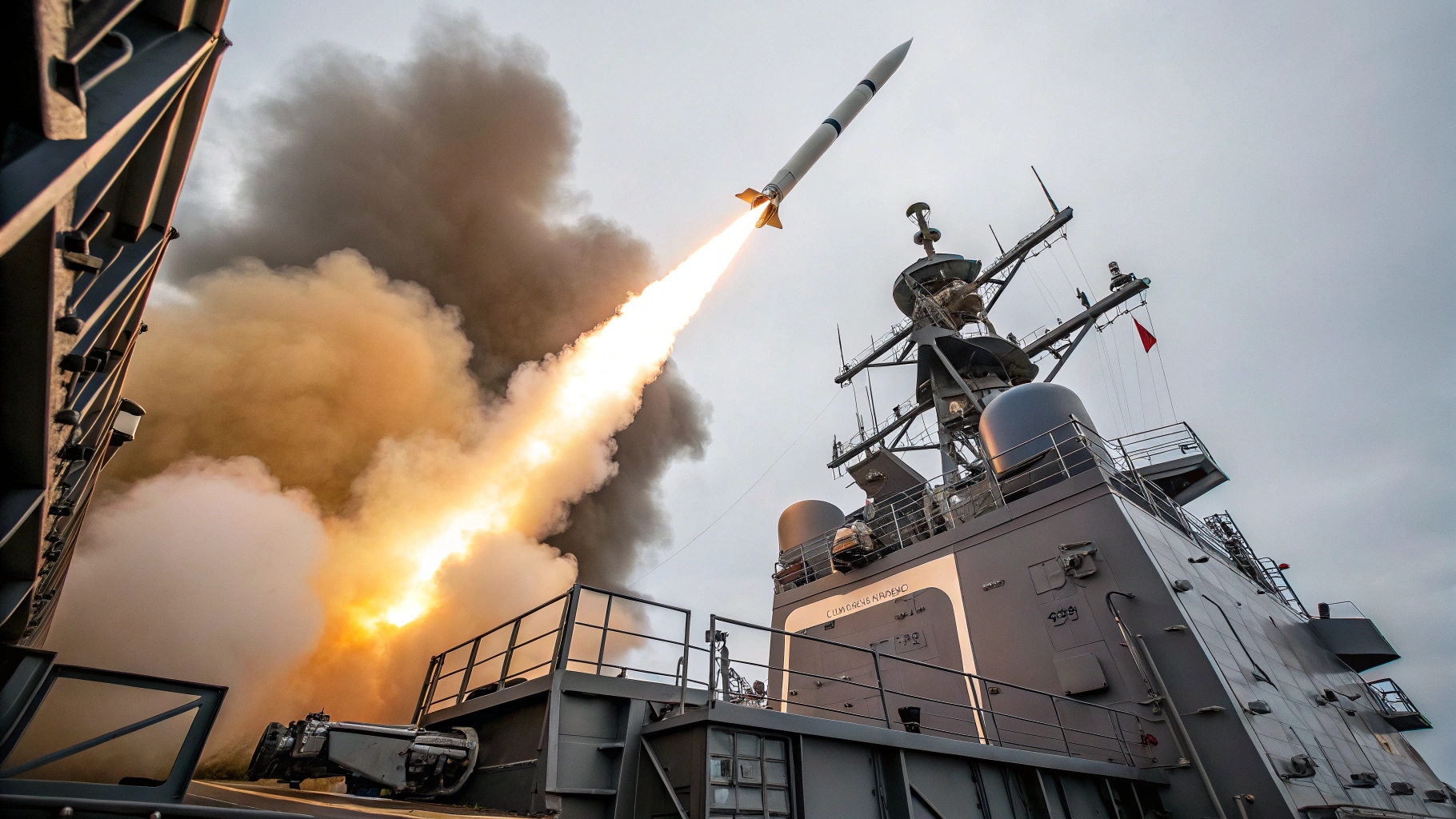

The European Commission has allocated €168.2 million ($195 million) to strengthen Europe’s manufacturing capacity for energetic materials, propulsion systems, warheads, and ammunition used in missiles, drones, and artillery systems. The investment aims to reinforce critical defence supply chains and reduce Europe’s dependence on non-European suppliers.
The funding is being provided under the Industrial Reinforcement Action pillar of the €1.5 billion ($1.68 billion) European Defence Industry Programme. It will support eight projects focused on expanding production capabilities across key segments of the European defence industry.
The initiatives include boosting missile and drone propulsion manufacturing in Norway and the Czech Republic, increasing warhead production in France, Poland, Belgium, Latvia, Lithuania, and Spain, and expanding explosives manufacturing in Finland and Germany. Sweden’s project will focus on increasing small-calibre ammunition production.
The programme aims to reduce manufacturing lead times by up to 90% while enabling annual production of more than 20,000 tonnes of energetic materials, 3,500 propulsion systems, 200,000 loitering-munition warheads, and 60 million rounds of ammunition. Production activities will be supported across 17 industrial sites in 14 EU member states and Norway, with additional measures to strengthen protection against physical and cyber threats.
EU Simplifies Defence Procurement Regulations
Alongside investments in industrial capacity, the European Union is introducing regulatory reforms to accelerate defence production and procurement. On 9 October, the Council of the European Union granted final approval to the Omnibus V package, which simplifies defence procurement procedures, facilitates cross-border transfers of military equipment, and speeds up permitting for defence readiness projects.
The package also streamlines European Defence Fund applications, provides greater funding incentives for projects involving small and medium-sized enterprises (SMEs), and improves the predictability of programme implementation.
Under the revised framework, permitting procedures for defence projects are capped at 102 working days. Applications are generally deemed approved if the relevant authorities fail to meet the prescribed deadline.
Together, the €168.2 million investment and the regulatory reforms are designed to strengthen Europe’s defence-industrial base, improve supply-chain resilience, reduce production bottlenecks, and accelerate the delivery of military equipment to European armed forces.