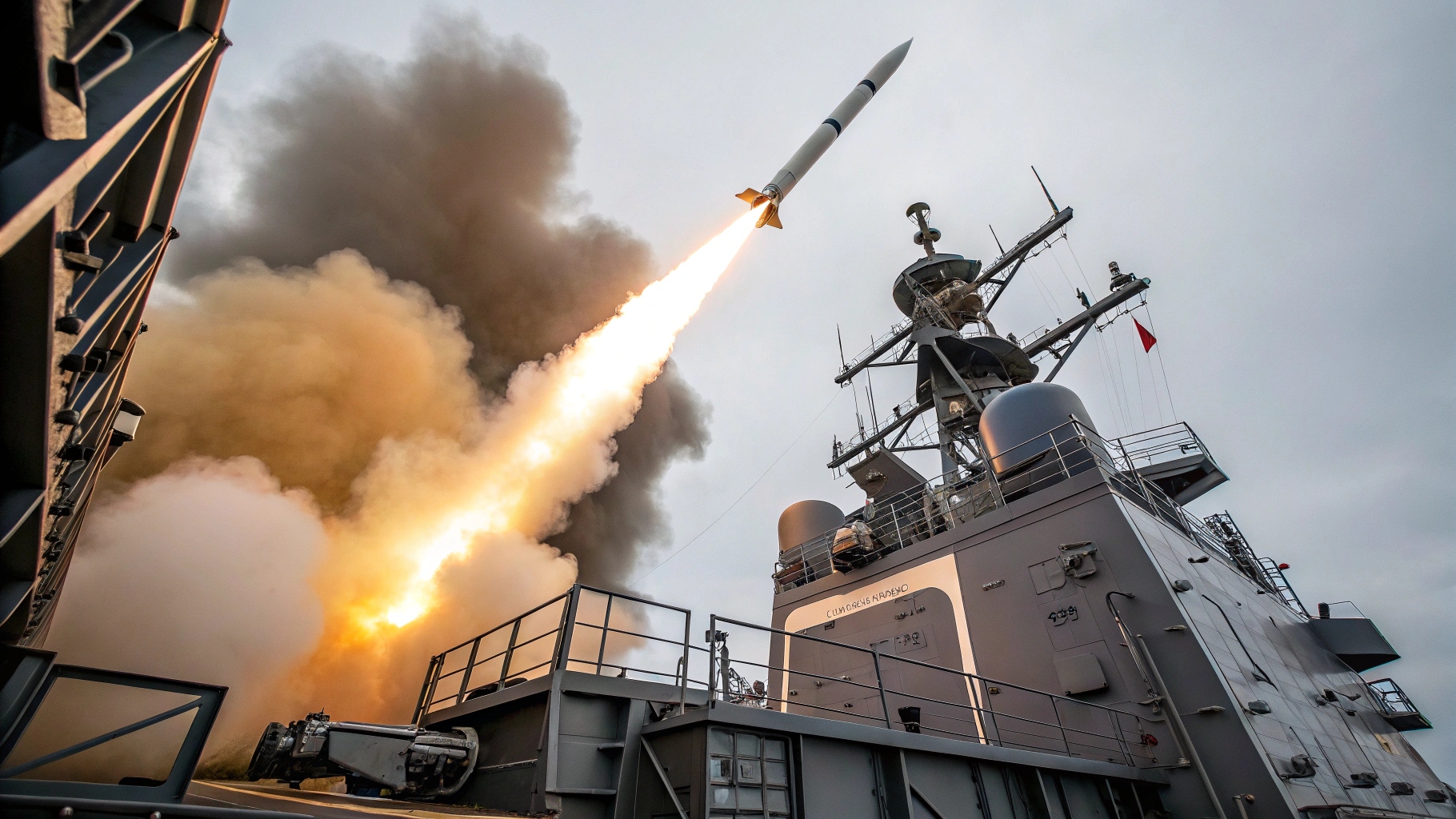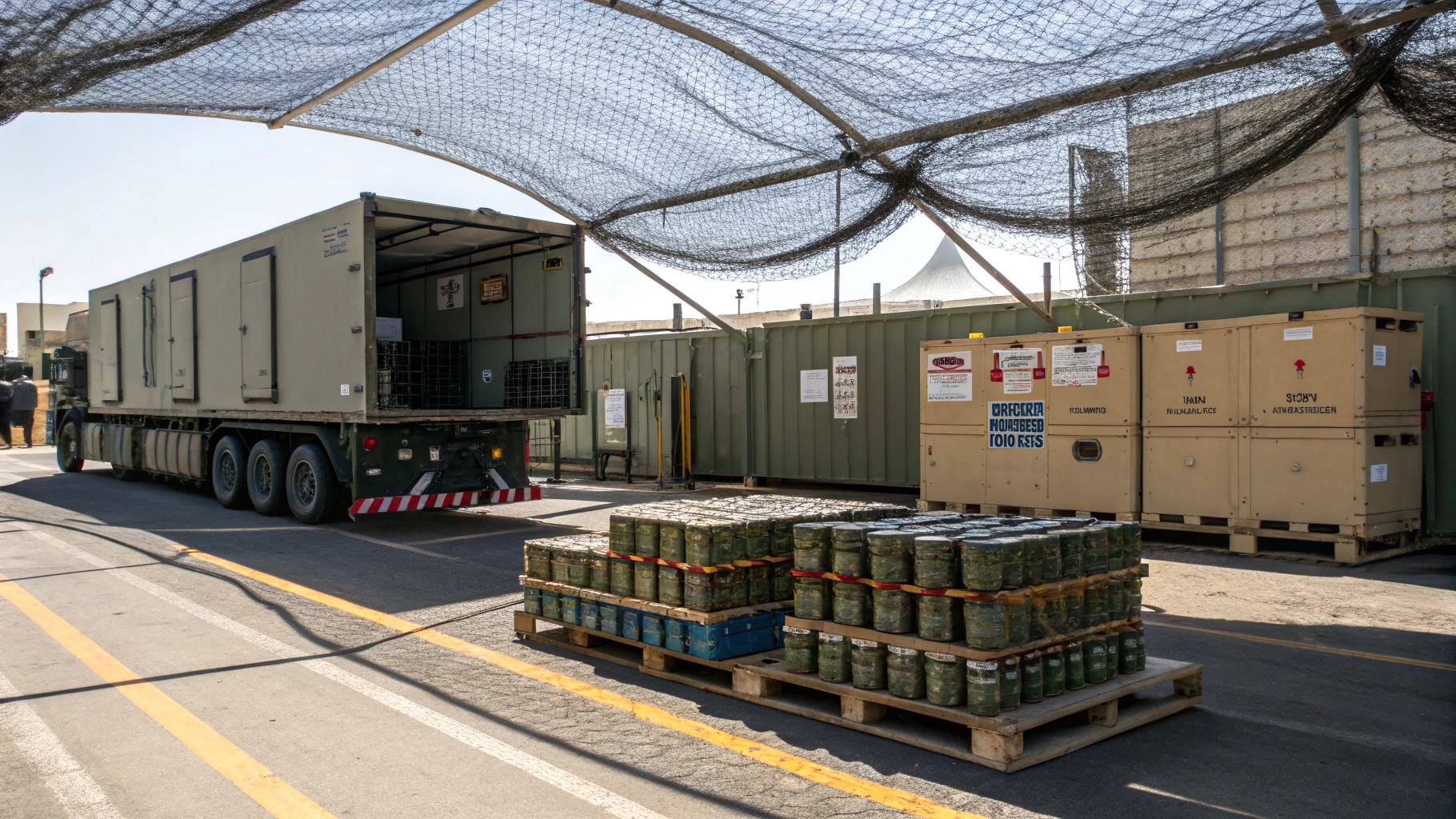

Under its Fiscal Year 2026 acquisition plan, the United States is committing new discretionary funding to sustain and grow the Terminal High Altitude Area Defense (THAAD) missile defense system. The plan calls for the purchase of 25 additional interceptors and continued investment in interceptor obsolescence mitigation and the Stockpile Reliability Program. U.S. defense leaders have repeatedly emphasized that preserving THAAD readiness is vital as adversaries introduce more capable ballistic missile threats and place increasing pressure on U.S. and allied missile defense inventories.
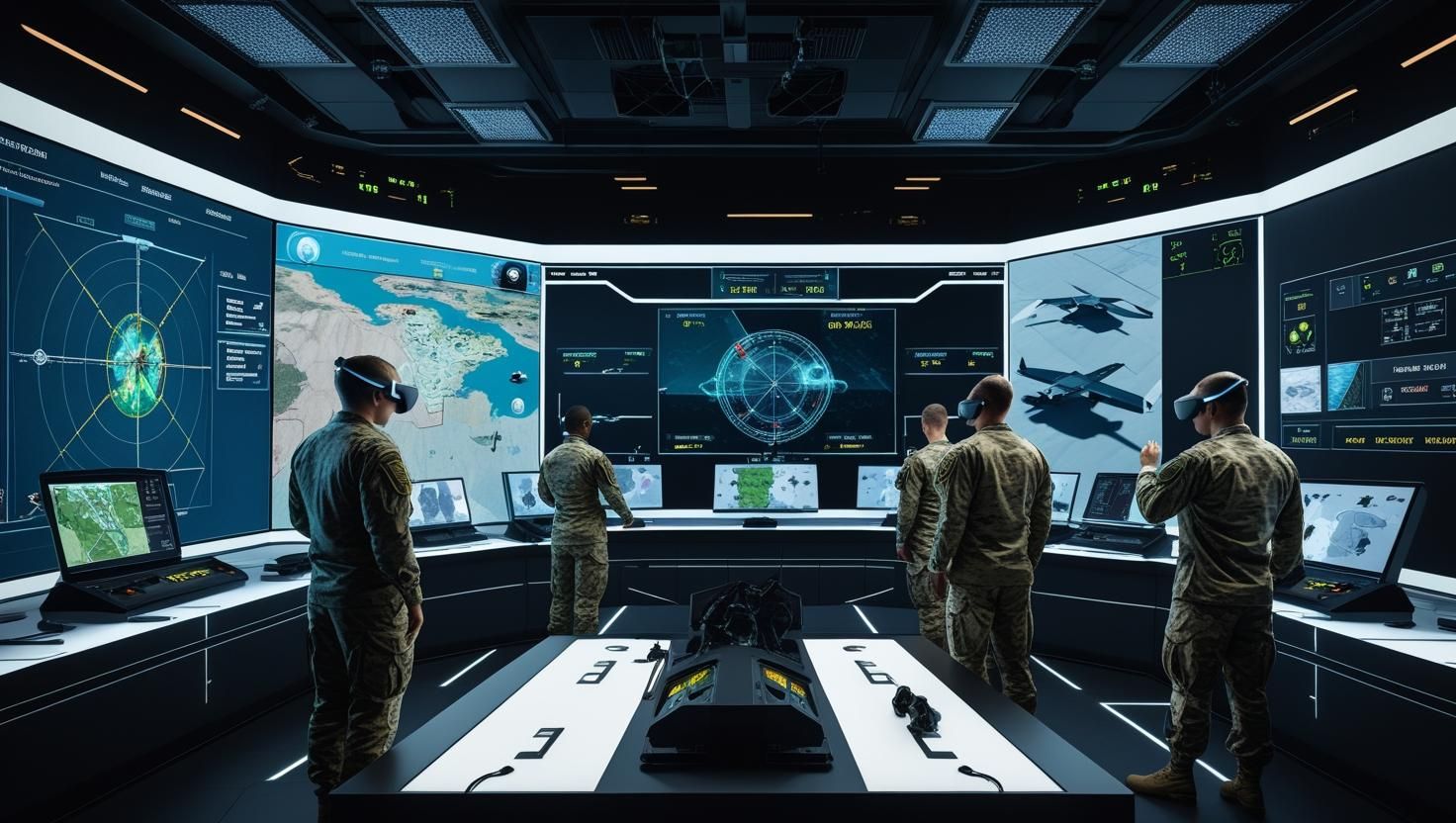
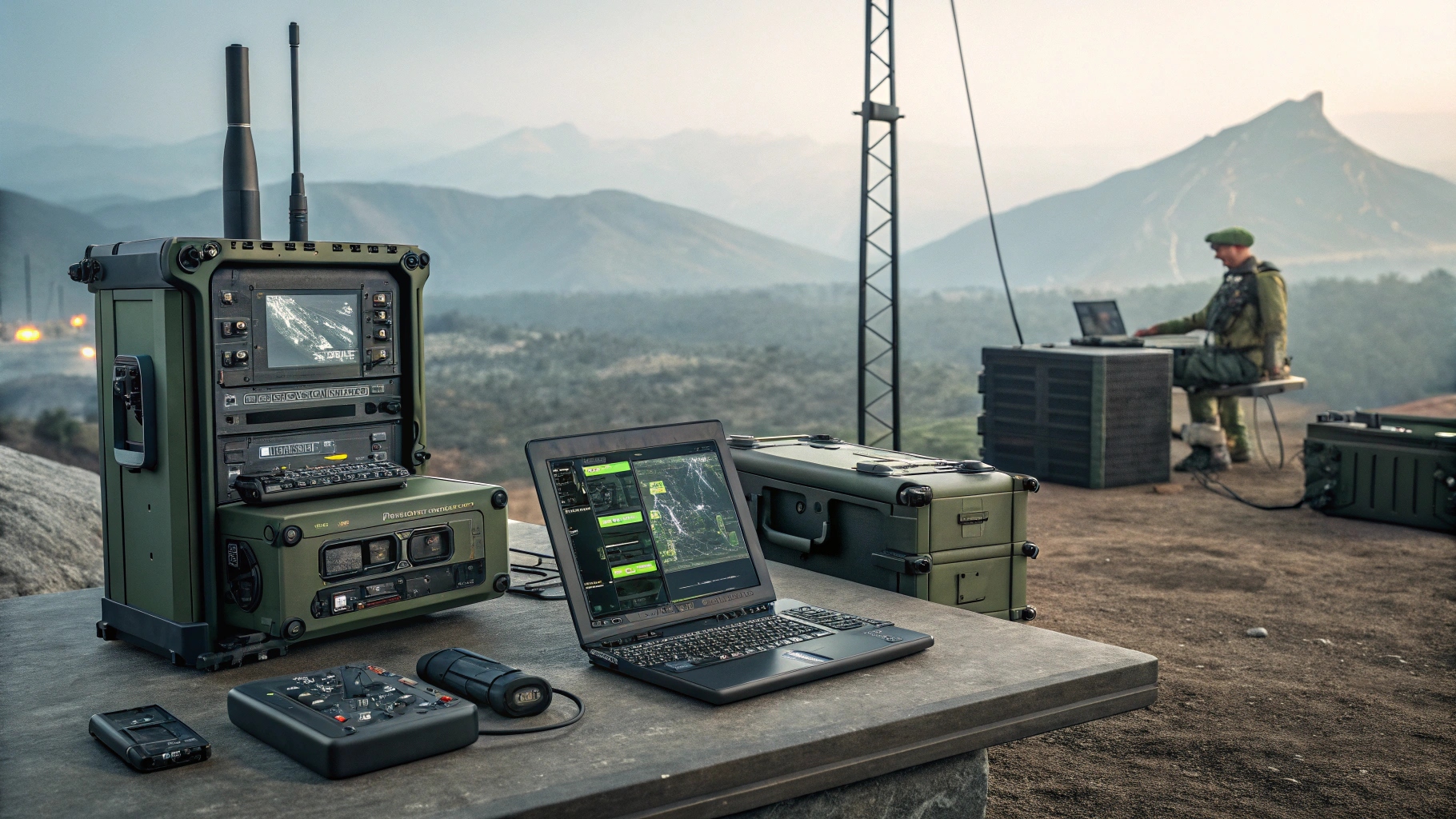
The FY2026 plan goes beyond interceptor procurement by placing significant emphasis on modernizing THAAD Battery Ground Components. These efforts are intended to counter hardware and electronics obsolescence that could otherwise limit system availability and responsiveness. Central to this modernization is the integration of THAAD into the Army’s Integrated Air and Missile Defense Battle Command System (IBCS). Full integration will allow THAAD to operate as part of a networked defense enterprise, drawing targeting data from a broad range of joint and coalition sensors and improving both engagement opportunities and survivability in contested operational environments.
The acquisition roadmap also supports continued development to enhance THAAD interceptor and system performance against emerging and increasingly complex threats. Engineering work is focused on strengthening seeker discrimination, guidance precision, software resilience, and propulsion reliability to defeat advanced ballistic missiles employing decoys, maneuverable reentry vehicles, and sophisticated countermeasures. These improvements are particularly relevant as hypersonic glide vehicles enter operational service, challenging traditional detection and engagement timelines.
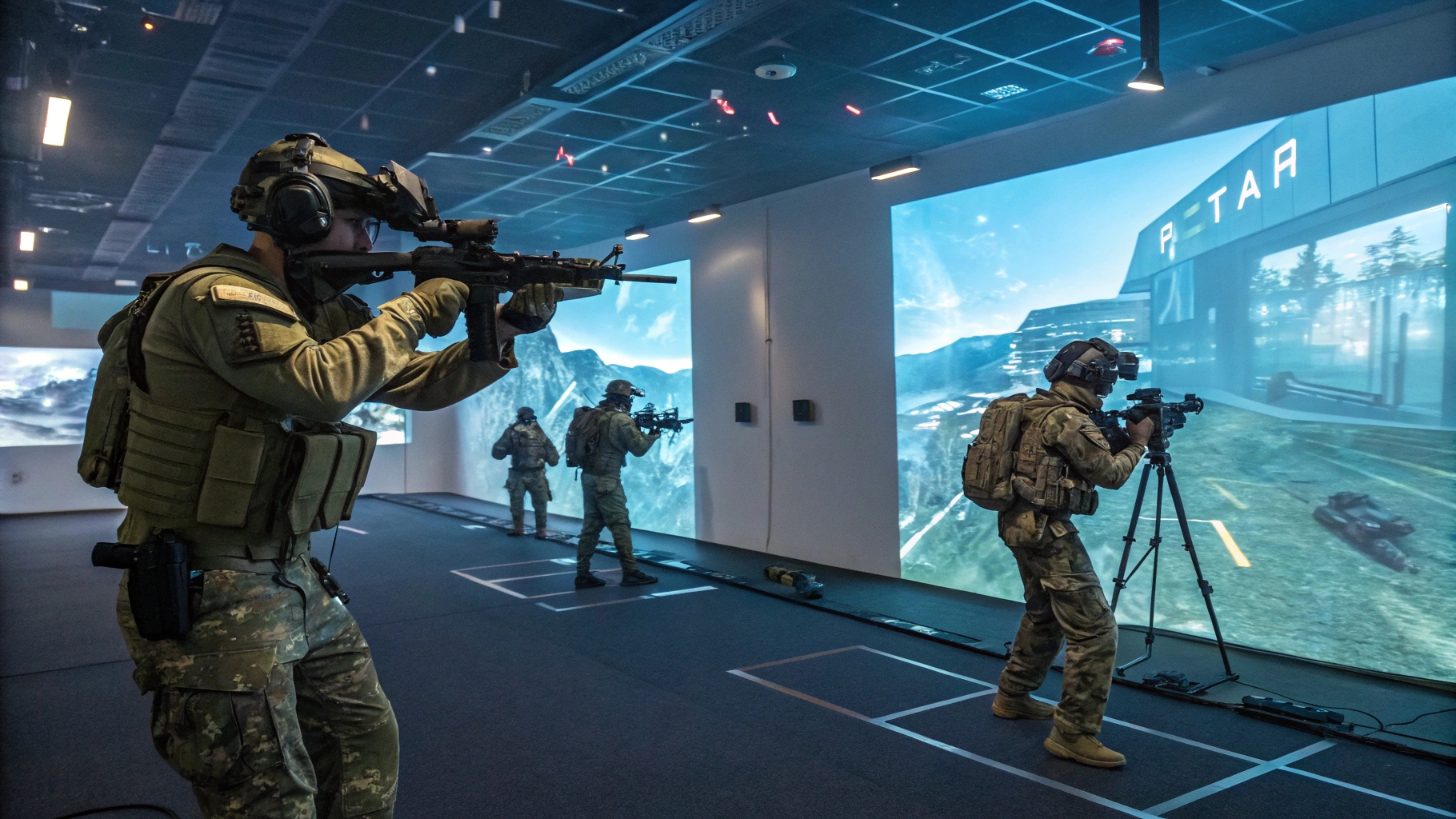
To ensure these capabilities perform as intended, FY2026 funding supports an extensive test program, including flight and ground testing, test operations, and infrastructure improvements conducted under the Integrated Master Test Plan. Funding is also allocated to war games and large-scale exercises designed to assess THAAD effectiveness in realistic scenarios such as multi-vector attacks and high-density threat environments. These efforts support both technical validation and the refinement of integrated missile defense concepts of operation.
In addition to discretionary resources, mandatory FY2026 funding provides for the procurement of 12 more THAAD interceptors and supports critical obsolescence mitigation initiatives. This funding stream accelerates the development of THAAD Next Generation capabilities, helping ensure that modernization progresses even in constrained budget conditions. The next-generation upgrades are expected to deliver improved digital processing, more advanced threat discrimination algorithms, and enhanced kinematic performance, sustaining THAAD’s relevance well into the next decade.