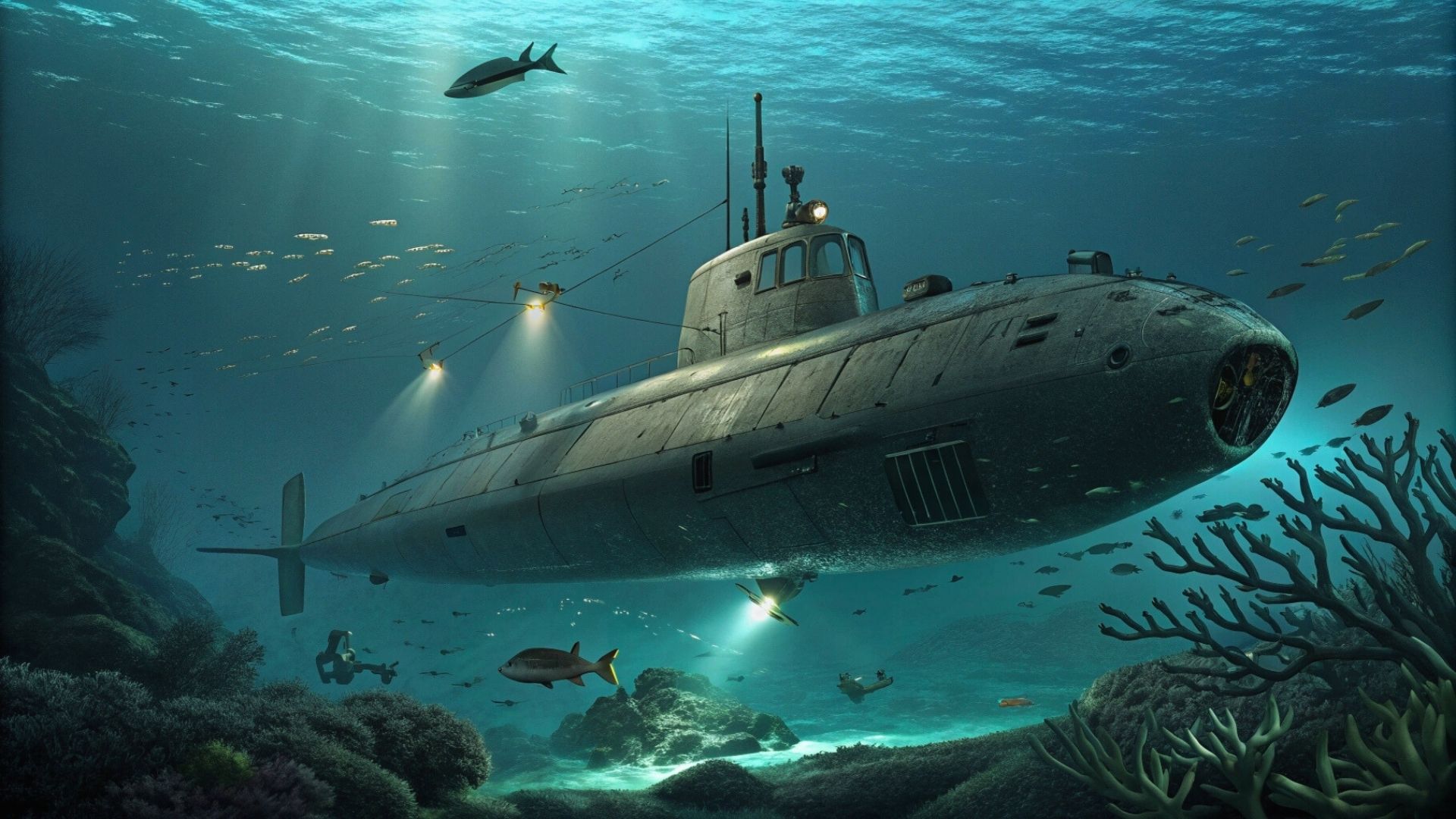

Kraken Technology Group is strengthening its European manufacturing and support presence through a proposed partnership with Norwegian shipbuilder Umoe Mandal to advance the development of autonomous maritime platforms.
The two companies signed a letter of intent during the International Sea Power Conference to explore collaboration on uncrewed maritime vessels. The proposed arrangement will combine Kraken’s autonomous maritime technologies with Umoe Mandal’s expertise in designing and manufacturing lightweight composite vessels.
Under the agreement, both companies will evaluate how Umoe Mandal’s composite construction capabilities can support Kraken’s autonomous platforms. Discussions will also cover platform integration, maintenance and technical support services across Norway and continental Europe.
The collaboration will further explore potential applications in defence, maritime surveillance, offshore energy operations and critical infrastructure protection.
Umoe Mandal brings extensive experience in naval shipbuilding, having constructed the Royal Norwegian Navy’s Skjold-class corvettes and supplied composite mast structures for the Royal Navy’s Type 26 frigates.
Europe Advances Low-Cost Uncrewed Maritime Capabilities
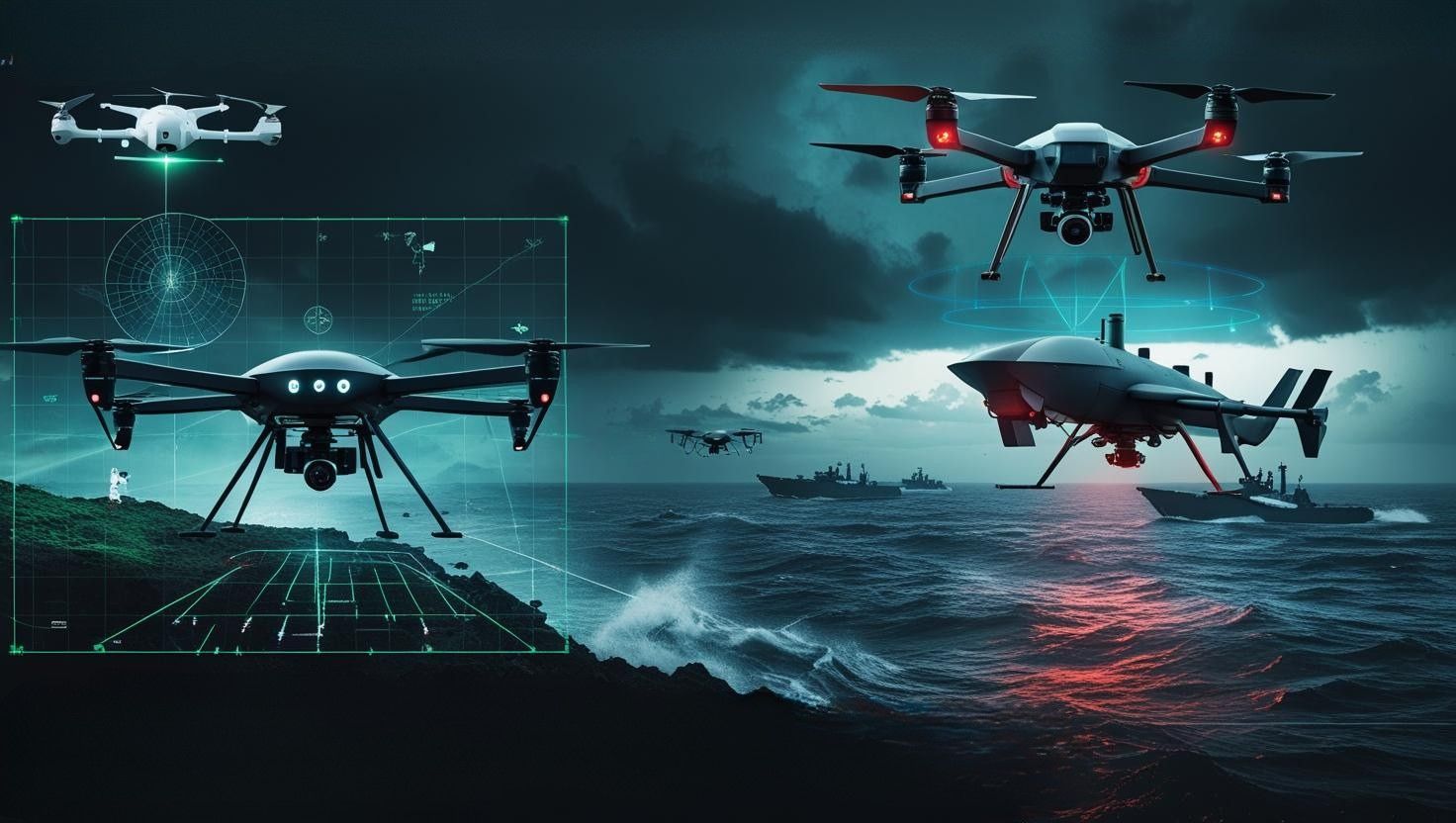
European nations and institutions are increasingly investing in uncrewed surface vessels (USVs) to strengthen naval operations, maritime surveillance and wider maritime security capabilities.
In 2026, Norway allocated NOK 1.2 billion (approximately $124.4 million) towards developing and procuring maritime drones for Ukraine. The funding is intended to support both Norwegian and Ukrainian defence industries. The initiative targets the delivery of 200 vessels by the end of the year, with platforms designed to accommodate various payloads, including sensors, weapons and airborne drones.
Meanwhile, the European Union-backed EUROGUARD project is developing a modular uncrewed maritime platform for missions such as maritime surveillance, mine detection, search and rescue, and the protection of underwater infrastructure. The vessel is being designed to support both semi-autonomous and remotely operated operations, reflecting Europe’s growing emphasis on advanced and cost-effective maritime security technologies.