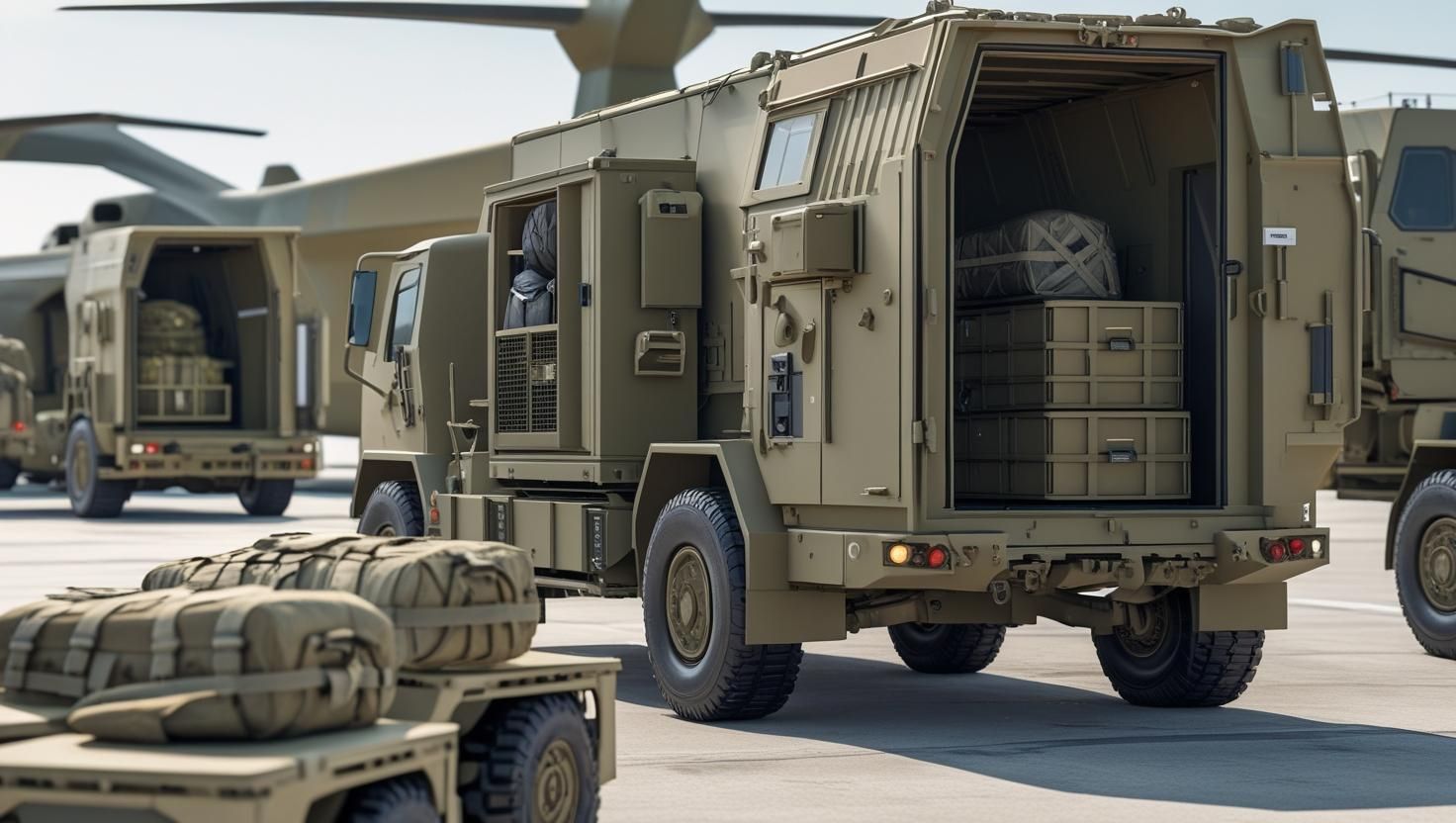
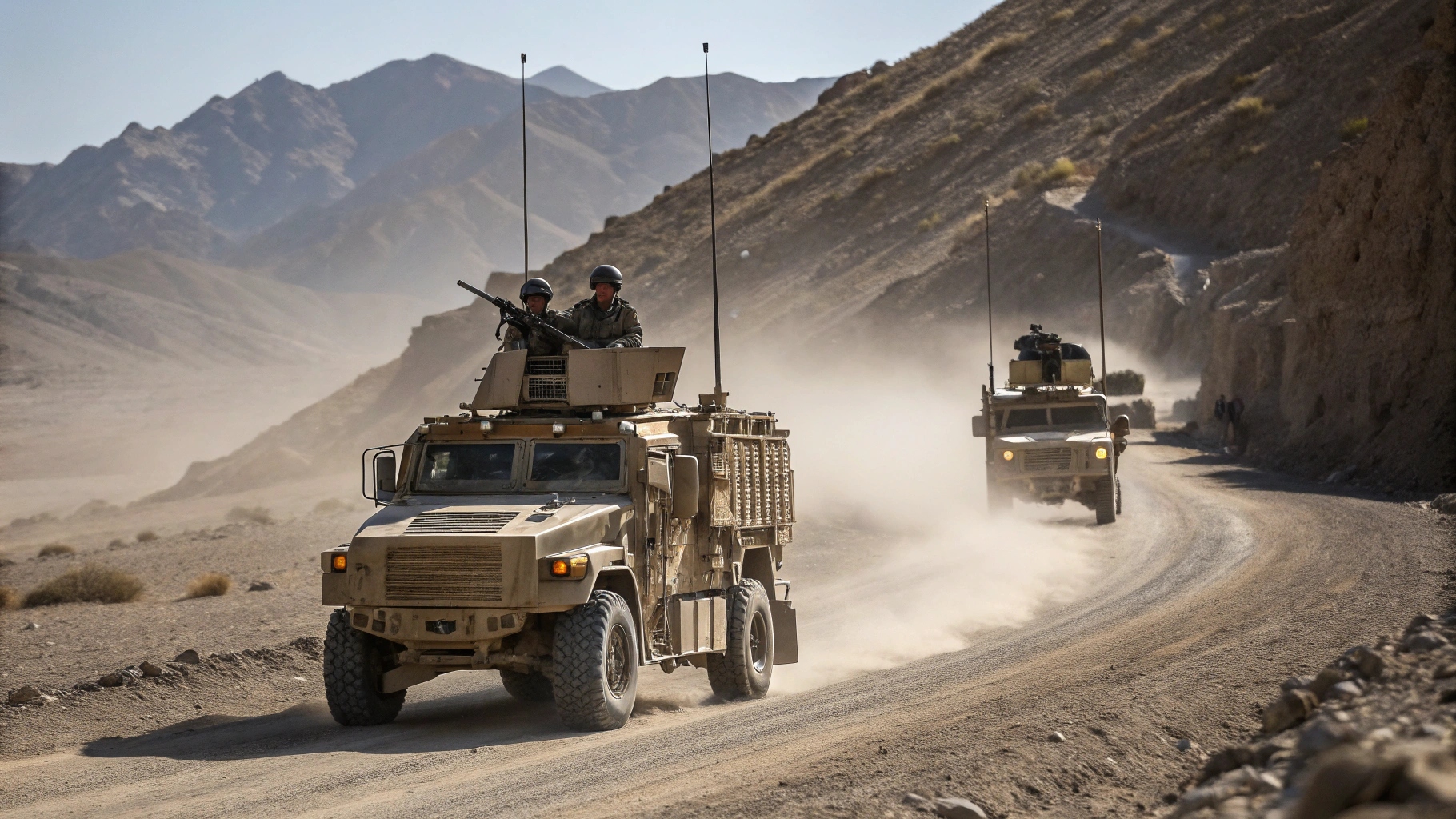
The Netherlands has signed a Technical Arrangement for the multinational Common Armoured Vehicle System (CAVS) programme, marking the first formal step towards joining the initiative.
The agreement forms part of the accession process, which would enable the Netherlands to participate in the joint development and serial procurement of armoured vehicles based on the Patria 6×6 platform. However, additional agreements covering research and development activities and the procurement framework must be concluded before the accession process is completed.
Once these arrangements are finalised, the Netherlands will become the eighth participating country in the CAVS programme, joining Finland, Latvia, Sweden, Germany, Denmark, Norway and the United Kingdom.
The Dutch Ministry of Defence is evaluating the Patria 6×6 platform as a potential replacement for its existing hazardous-substance detection equipment, indicating a possible application for the vehicle within specialised defence operations.
Common Armoured Vehicle System Programme
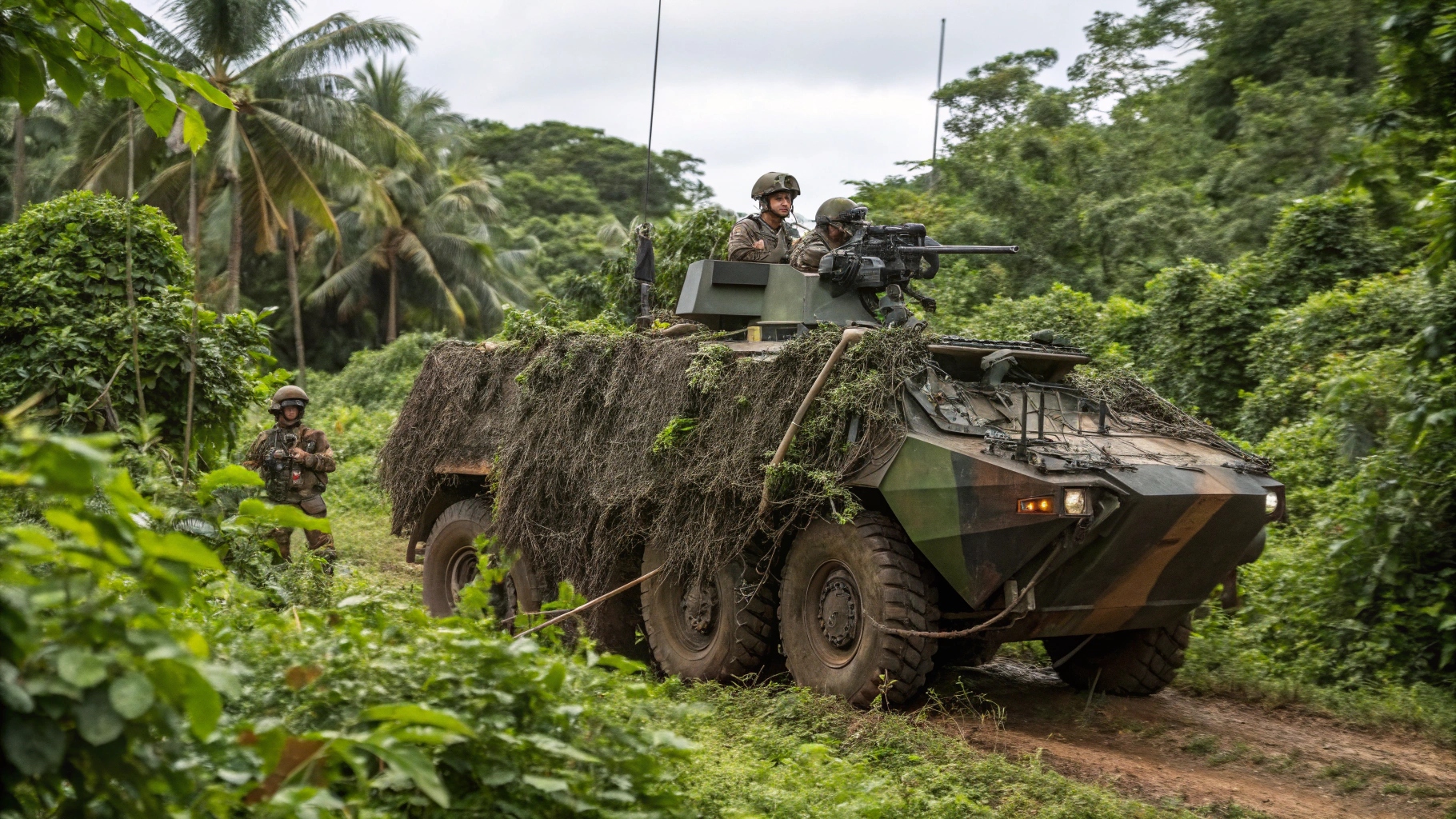
Launched in 2020, the CAVS programme aims to develop and procure a common, interoperable 6×6 armoured vehicle for participating nations. Led by Finland-based Patria, the initiative has secured orders for nearly 2,000 vehicles, including options, and delivered close to 500 units.
The programme incorporates local industries across participating countries to support domestic manufacturing capabilities and strengthen security of supply. It also remains open to additional European and NATO member countries, subject to mutual agreement among existing participants.
Based on Patria’s 6×6 vehicle platform, the armoured vehicle is designed for an operational service life of up to 30 years. It is powered by a 394-horsepower Scania diesel engine, providing a maximum road speed of 100 kilometres per hour (62 miles per hour) and an operational range of approximately 700 kilometres (435 miles).
Depending on its configuration, the vehicle has a maximum gross weight of 24 tonnes and can accommodate a crew of two or three personnel, along with up to 10 additional passengers. Its modular design allows the platform to support different operational requirements across participating armed forces.