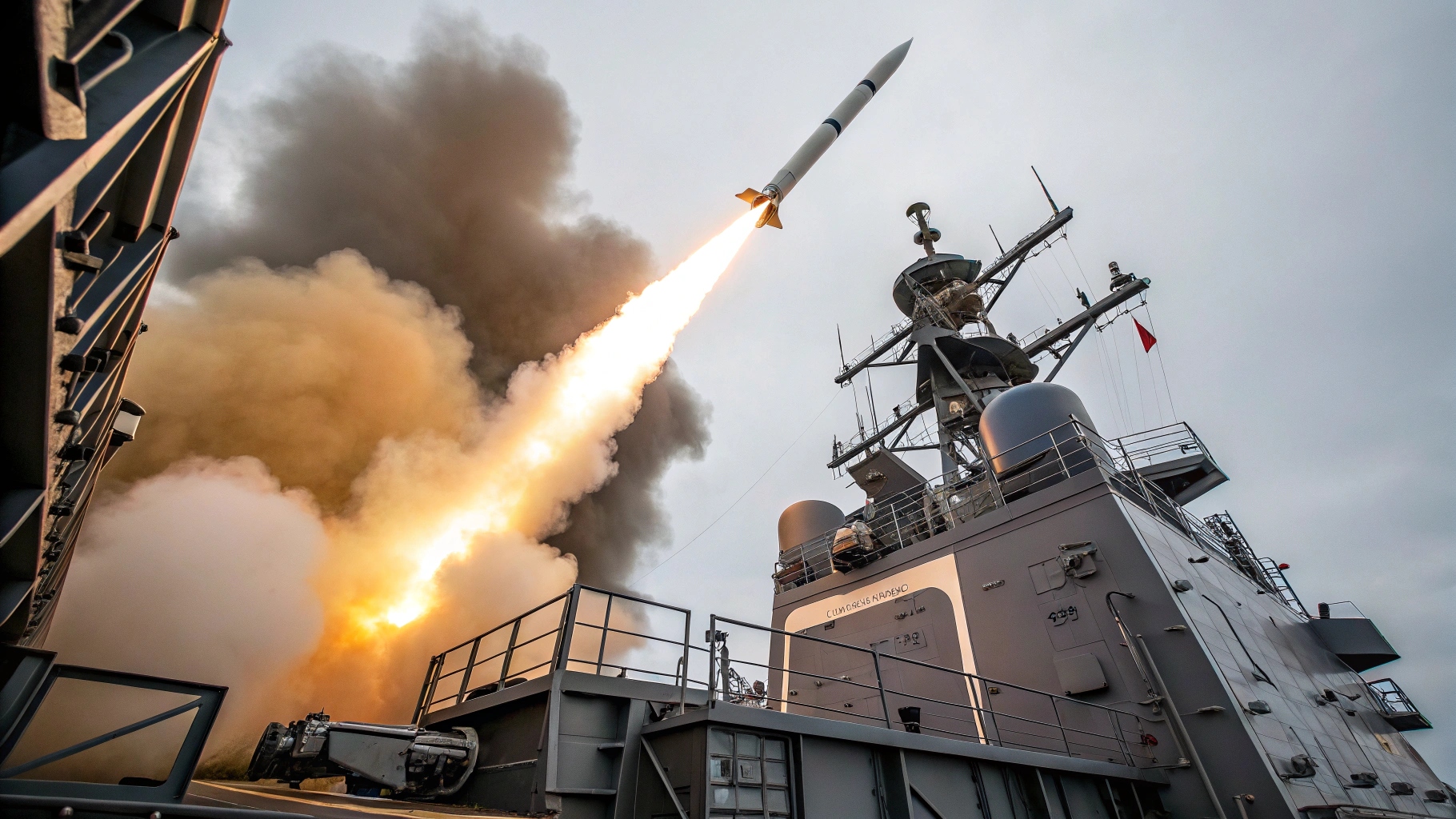

Baltic Workboats has launched the 45-metre (148-foot) Euroguard at its shipyard on Estonia’s island of Saaremaa, marking the construction of the country’s largest warship in several decades.
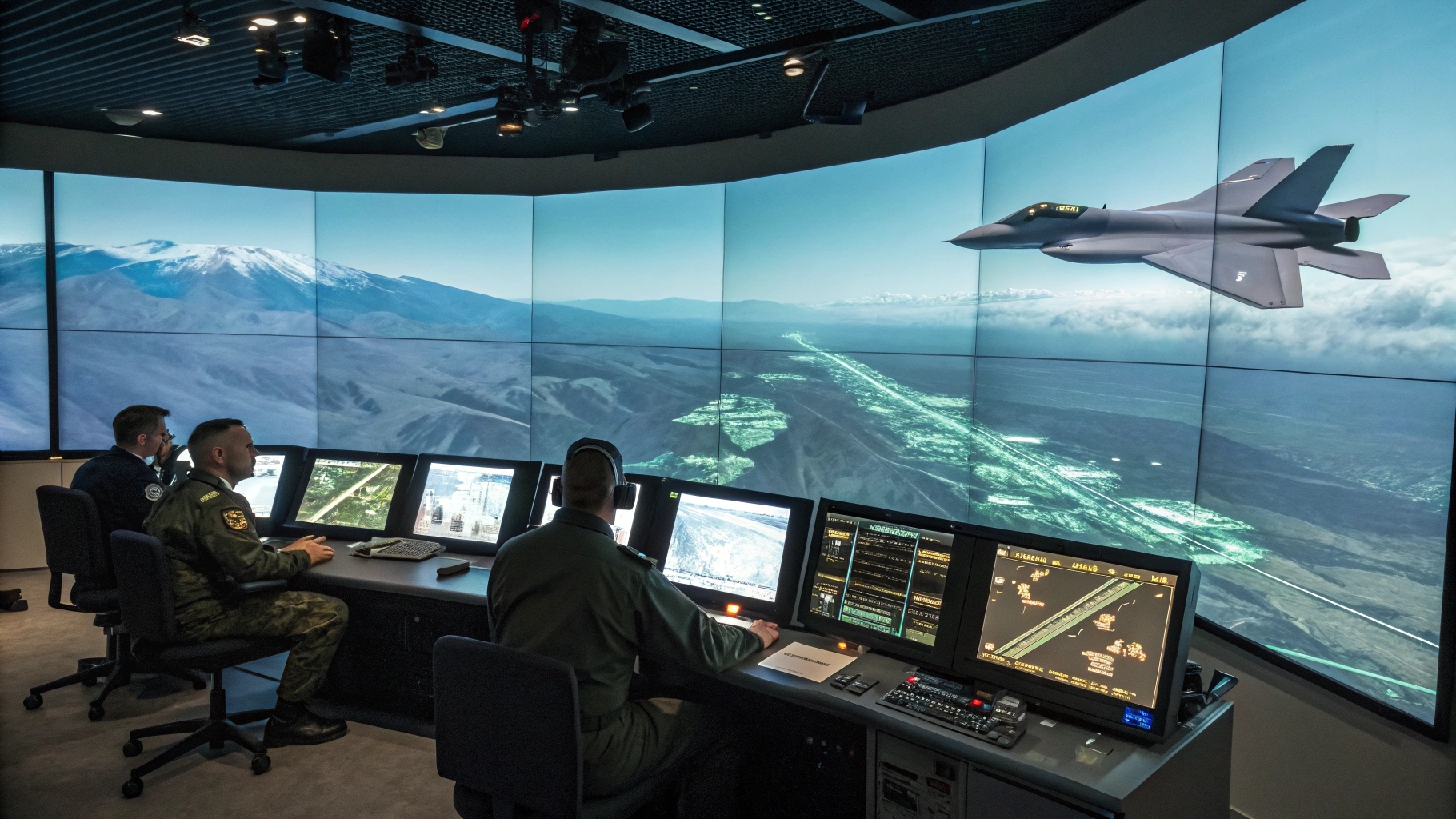
The vessel will serve as a test platform for advanced naval technologies, particularly remote and autonomous operational capabilities, according to Estonia’s public broadcaster ERR. Designed to operate without personnel onboard, Euroguard will be controlled remotely by operators stationed onshore.
The Saaremaa-based shipyard is leading an international consortium involving 10 European countries. The project, valued at €95 million ($104.4 million), has received €65 million ($71.4 million) in funding from the European Defence Fund.
Baltic Workboats CEO Margus Vanaselja stated that the vessel has been developed to navigate without an onboard crew, with its operations managed entirely from shore-based control stations. Sea trials are expected to commence in the spring, followed by an additional eight months of testing to evaluate the vessel’s integrated systems and technologies.
Estonia Strengthens Defence Industry Cooperation
Estonia is expanding cooperation between its armed forces and private defence investors amid growing security concerns, including investigations into an alleged Russian sabotage operation targeting Estonian drone manufacturers supplying Ukraine.
Under a three-year agreement signed at the ABCD Conference, European defence investment firm Archangel will identify promising technology companies and investment opportunities across the Baltic region. As part of the partnership, the Estonian Defence Forces will communicate their operational requirements, equipment needs and technological priorities, enabling companies to develop and test solutions that could eventually be adopted by the military.
Meanwhile, Estonian authorities have detained eight individuals suspected of involvement in an alleged plot to trigger an explosion and set fire to a facility belonging to Threod Systems, a Tallinn-based drone manufacturer.
Estonian Prime Minister Kristen Michal alleged that Russia’s military intelligence agency, the GRU, had directed the operation. The investigation follows an earlier fire incident at another drone manufacturing facility in Tallinn associated with Milrem Robotics.
These developments highlight Estonia’s growing emphasis on strengthening naval innovation, autonomous defence capabilities and domestic defence manufacturing while reinforcing cooperation between military institutions, technology developers and private investors.