
Hindustan Aeronautics Limited (HAL) is preparing to present an updated portfolio of its Combat Air Teaming System (CATS) at Aero India 2027, highlighting India’s ongoing efforts to develop advanced manned-unmanned teaming capabilities.
One of the key attractions is expected to be the CATS-Warrior Phase-II, a significantly enlarged and previously unseen evolution of HAL’s loyal wingman concept. The new variant features a wider fuselage than the existing design, suggesting increased internal payload capacity and expanded mission capabilities.
The enlarged airframe is expected to accommodate a substantial internal weapons bay, potentially enabling the aircraft to conduct strike missions while maintaining a low-observable profile. HAL’s concept illustrations have depicted the platform carrying the proposed BrahMos-NG missile, indicating a potential role in long-range precision-strike operations.
The CATS-Warrior Phase-II is approximately 14.7 metres long, with a wingspan of around 11 metres. However, key technical details, including its propulsion system, flight performance and operational range, have not yet been disclosed.
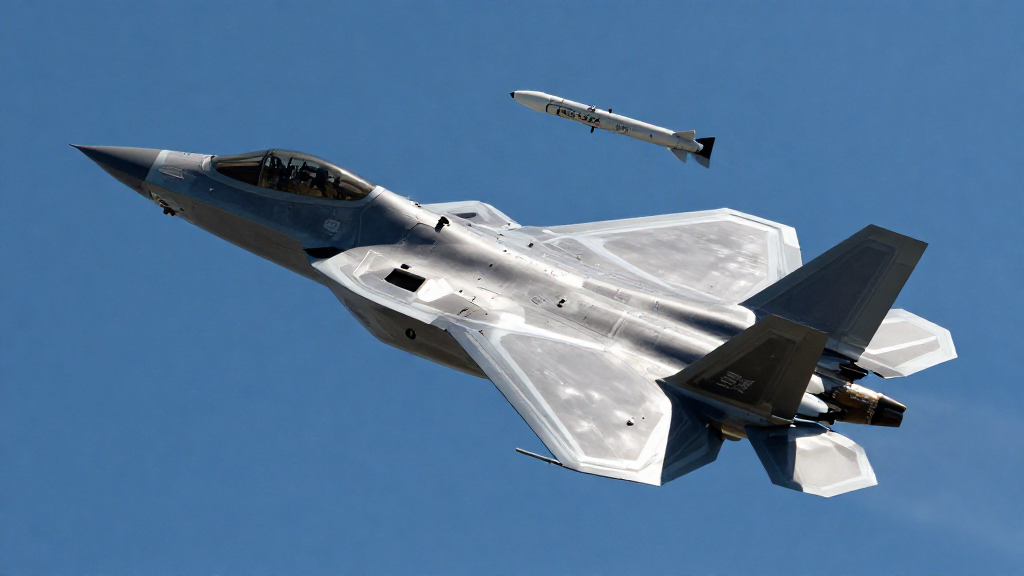
The earlier CATS-Warrior Phase-I is also expected to feature at Aero India 2027. Although the platform has appeared at previous exhibitions, the upcoming showcase is expected to mark its first public display carrying the Astra beyond-visual-range air-to-air missile. The missile will be mounted externally, demonstrating a potential expansion of the unmanned aircraft’s mission profile.
The Phase-I variant measures approximately 9.1 metres in length and has a wingspan of 7.6 metres. The Warrior family remains central to HAL’s broader CATS programme, which aims to integrate crewed combat aircraft with autonomous unmanned platforms capable of conducting reconnaissance, electronic warfare and strike missions.
Another anticipated highlight is the CATS-Hunter, which has reportedly undergone a comprehensive redesign since its previous public appearance. The latest configuration represents HAL’s concept for an air-breathing stealth cruise missile intended to operate as part of the wider CATS architecture.
Although detailed specifications remain undisclosed, the redesigned Hunter reflects the programme’s focus on low-observable, stand-off strike capabilities. The system measures approximately 4.4 metres in length, has a wingspan of around 3.8 metres and a folded diameter of approximately 630 millimetres.
The updated CATS portfolio highlights HAL’s efforts to develop a networked air-combat architecture combining crewed fighters, autonomous loyal wingman aircraft and unmanned strike systems. If successfully developed and integrated, these platforms could expand mission flexibility, improve operational reach and support India’s longer-term ambitions in autonomous combat aviation.