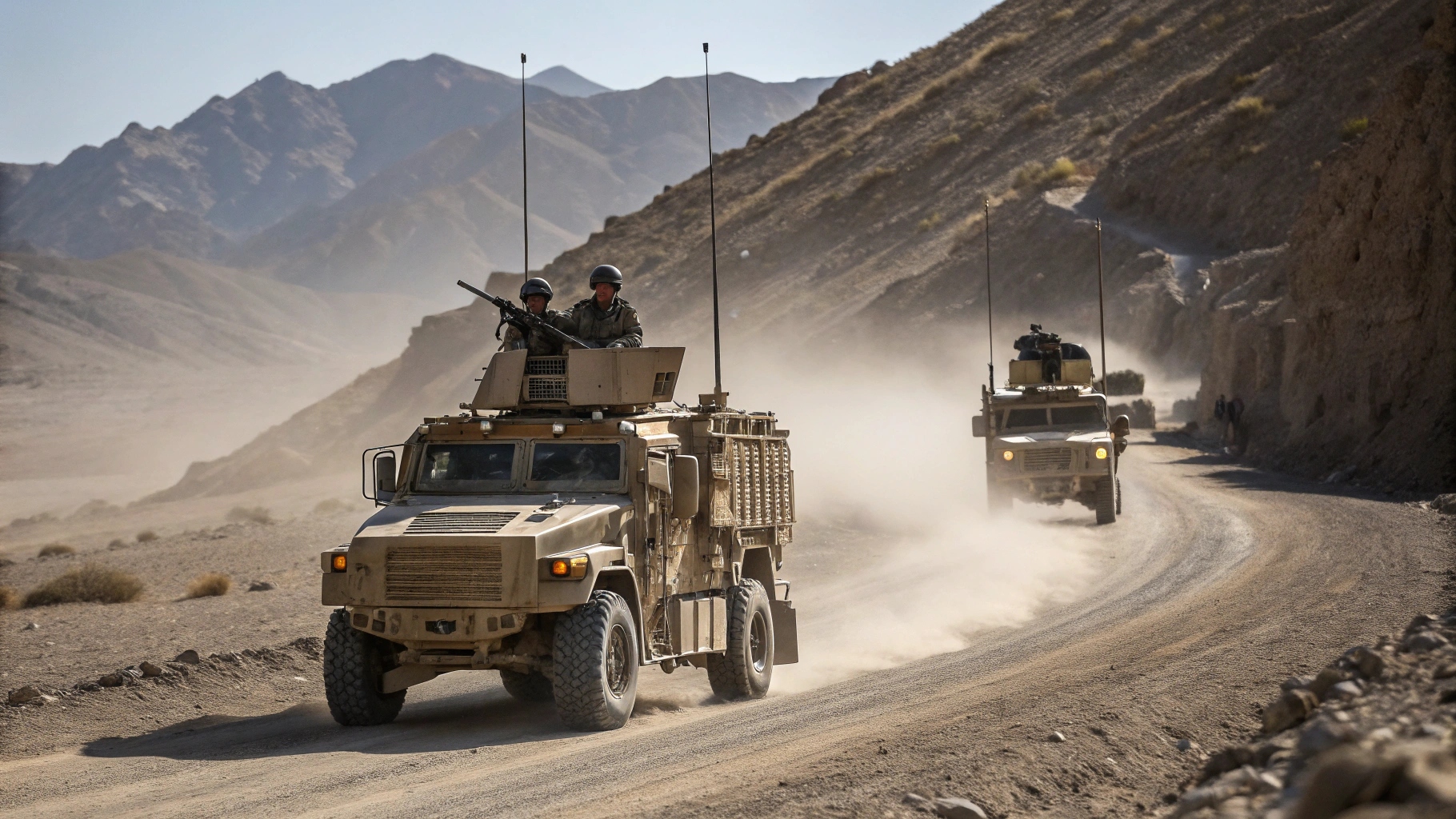
The M1301 Infantry Squad Vehicle (ISV) was created around a modern battlefield requirement: move infantry units faster, farther, and with greater flexibility than traditional foot-mobile operations allow.
Prioritizing agility and rapid deployment over heavy armor, the vehicle supports the US Army’s evolving doctrine focused on expeditionary warfare and distributed combat operations. Here’s an in-depth look at the M1301, its capabilities, operational role, and future potential.
Understanding the M1301 ISV
The M1301 ISV is a lightweight tactical transport vehicle developed for the US Army’s Infantry Brigade Combat Teams. Designed to carry a complete nine-soldier squad, it emphasizes mobility, off-road performance, and air transportability rather than battlefield protection.
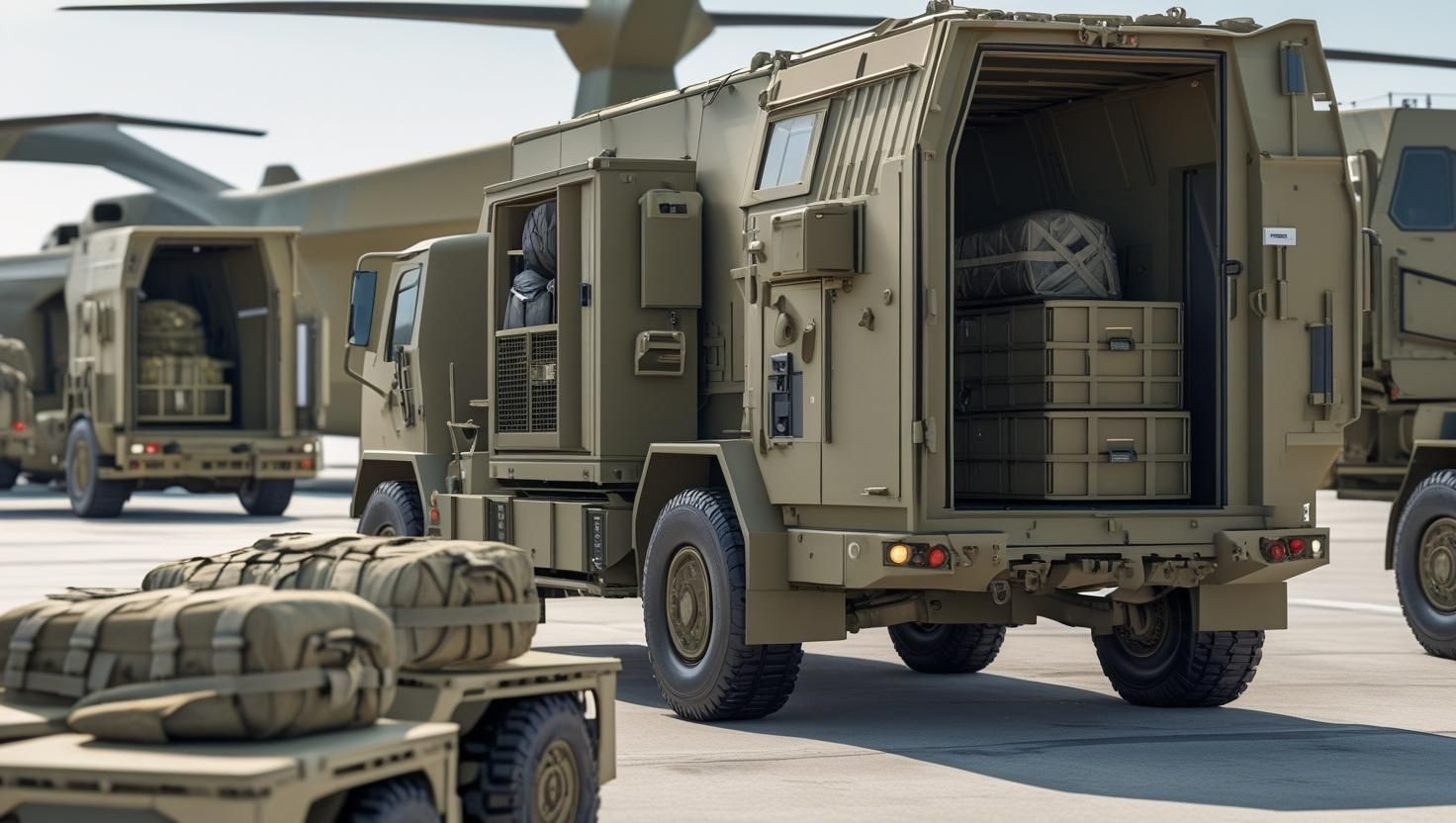
Its compact dimensions allow it to fit inside helicopters such as the CH-47 Chinook or be carried externally beneath rotary-wing aircraft, enabling rapid insertion into contested or remote environments.
Origins of the Program
The ISV program emerged from the Army’s need to improve the maneuverability of light infantry formations, which often depended on long-distance movement by foot during combat operations.
General Motors Defense partnered with Ricardo Defense to develop the vehicle using commercially proven off-road technologies based on the Chevrolet Colorado ZR2 platform. This strategy accelerated development while lowering costs and maintaining operational durability.
Multiple Mission Configurations
While the primary M1301 configuration serves as a troop transport vehicle, its modular design enables adaptation for different battlefield roles, including:
Infantry transport configuration
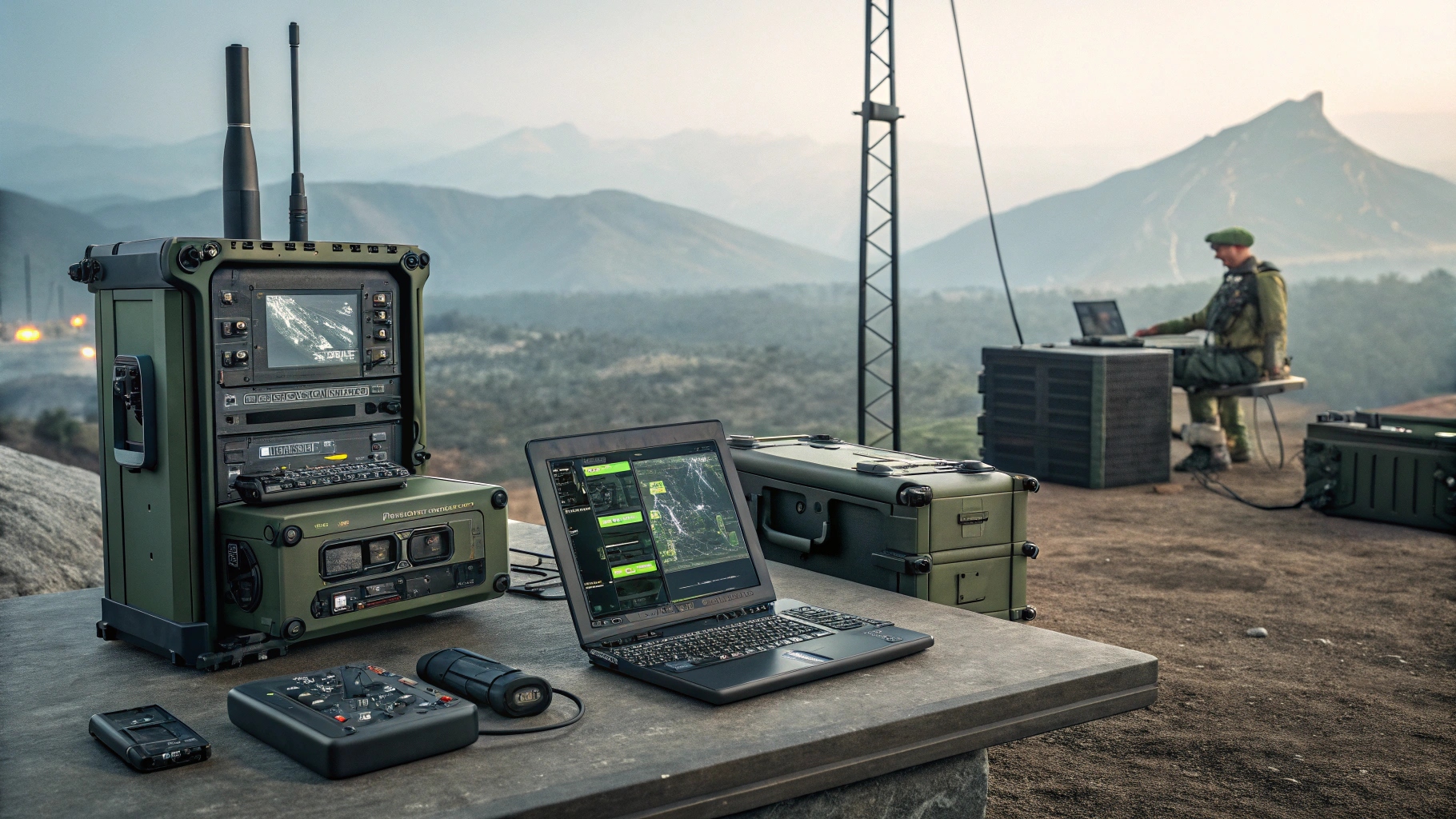
Command-and-control variant with advanced communications systems
Weapons support platform capable of integrating machine guns or other armaments
Additional variants tailored for reconnaissance or logistics support could emerge in the future.
How the Vehicle Operates
Rather than functioning as a heavily armored combat platform, the ISV is designed to deliver speed, flexibility, and deployment efficiency.
Core Characteristics
Lightweight construction for air mobility and rapid deployment
Advanced off-road suspension inspired by motorsport technology
Compact air-transportable design
Modular open architecture supporting mission customization
Operational Advantages
The vehicle enhances tactical mobility for infantry forces, allowing troops to maneuver quickly across rugged terrain and cover greater distances with reduced fatigue.
Its compatibility with helicopter transport significantly increases operational reach, particularly during airborne assaults or operations in austere regions. Additionally, the use of commercial-grade components streamlines logistics, maintenance, and sustainment.
Operational Drawbacks
The ISV’s lightweight design comes at the cost of survivability. The vehicle lacks substantial armor protection, exposing personnel to threats such as small-arms fire, explosive devices, and battlefield shrapnel.
Consequently, the platform is intended for rapid mobility and support missions rather than frontline armored engagements under heavy enemy fire.
Strategic and Global Importance
The M1301 currently serves primarily within US Army airborne and light infantry formations, helping close the mobility gap between dismounted troops and heavier mechanized units.
Although international adoption remains limited, the growing global focus on highly mobile expeditionary forces makes vehicles like the ISV increasingly attractive to militaries seeking rapid-response capabilities, including nations such as the UK and UAE.
Looking Ahead
The M1301 ISV highlights the military’s increasing focus on speed, adaptability, and decentralized operations in future conflict scenarios.
Potential future enhancements could include integrated protection systems, hybrid-electric propulsion, or autonomous technologies that improve operational flexibility. While it is not a replacement for armored combat vehicles, the ISV is expected to remain an important platform for missions requiring rapid maneuver, access, and deployment flexibility.