
Anduril Industries has secured a framework agreement with the Pentagon to scale manufacturing of its surface-launched Barracuda-500M cruise missile system.
The agreement calls for the delivery of a minimum of 3,000 all-up SLB-500M systems to the US Army’s Program Executive Office FIRES over the next three years, with options for additional procurement as mission requirements evolve.
Initial missile deliveries are planned for the first half of 2027, alongside more than 60 launcher systems scheduled under the Ground-Launched Low-Cost Containerized Munition program.
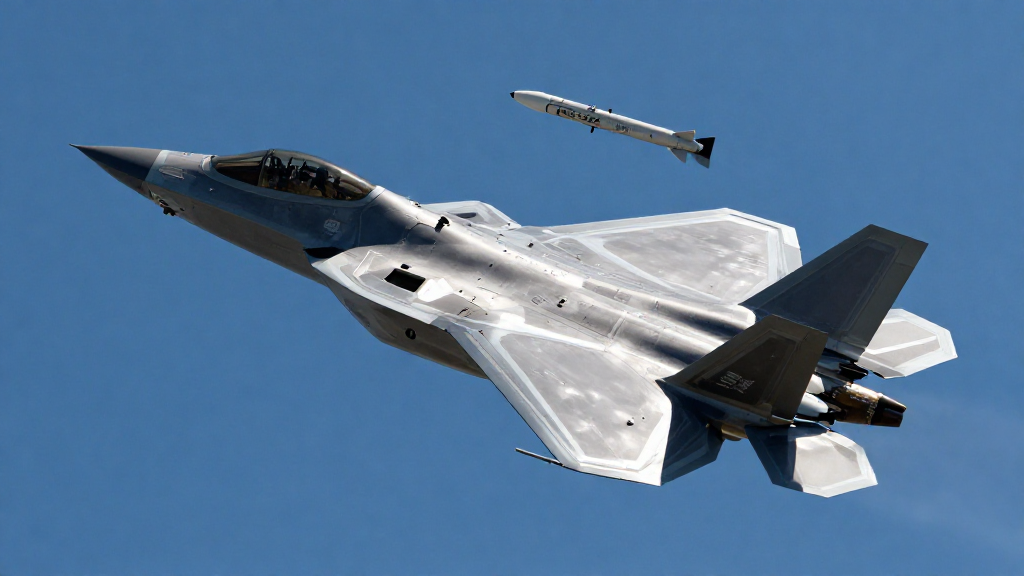
Part of the Barracuda-M missile family, the SLB-500M was designed specifically for high-volume production and rapid scalability. The missile incorporates roughly 70 percent commercially available components, while the remaining systems rely on open-architecture solutions from multiple suppliers to improve resilience across the supply chain.
Anduril stated that the missile’s streamlined design enables assembly in approximately 30 hours using basic hand tools. Built for coordinated long-range and stand-off strike operations against land and naval targets, the SLB-500M can carry a 100-pound warhead and strike targets at ranges beyond 500 nautical miles.
The missile is deployed from a standard 20-foot ISO container launcher capable of accommodating up to 16 missiles, though the system can also support alternative launch configurations. For operations, users can integrate the missile with Anduril’s Lattice autonomous command software or connect it to existing fire-control networks for targeting and launch management.
To meet growing production demands, Anduril has expanded its industrial base through significant manufacturing investments. Earlier this year, the company opened a dedicated Barracuda production facility in Southern California backed by more than $40 million in funding. Long-term production is expected to shift to the company’s Arsenal-1 hyperscale manufacturing site in Columbus, Ohio.
In parallel, Anduril and the US government are investing in increased solid rocket motor manufacturing capacity to support future production requirements for the SLB-500M and other missile systems.