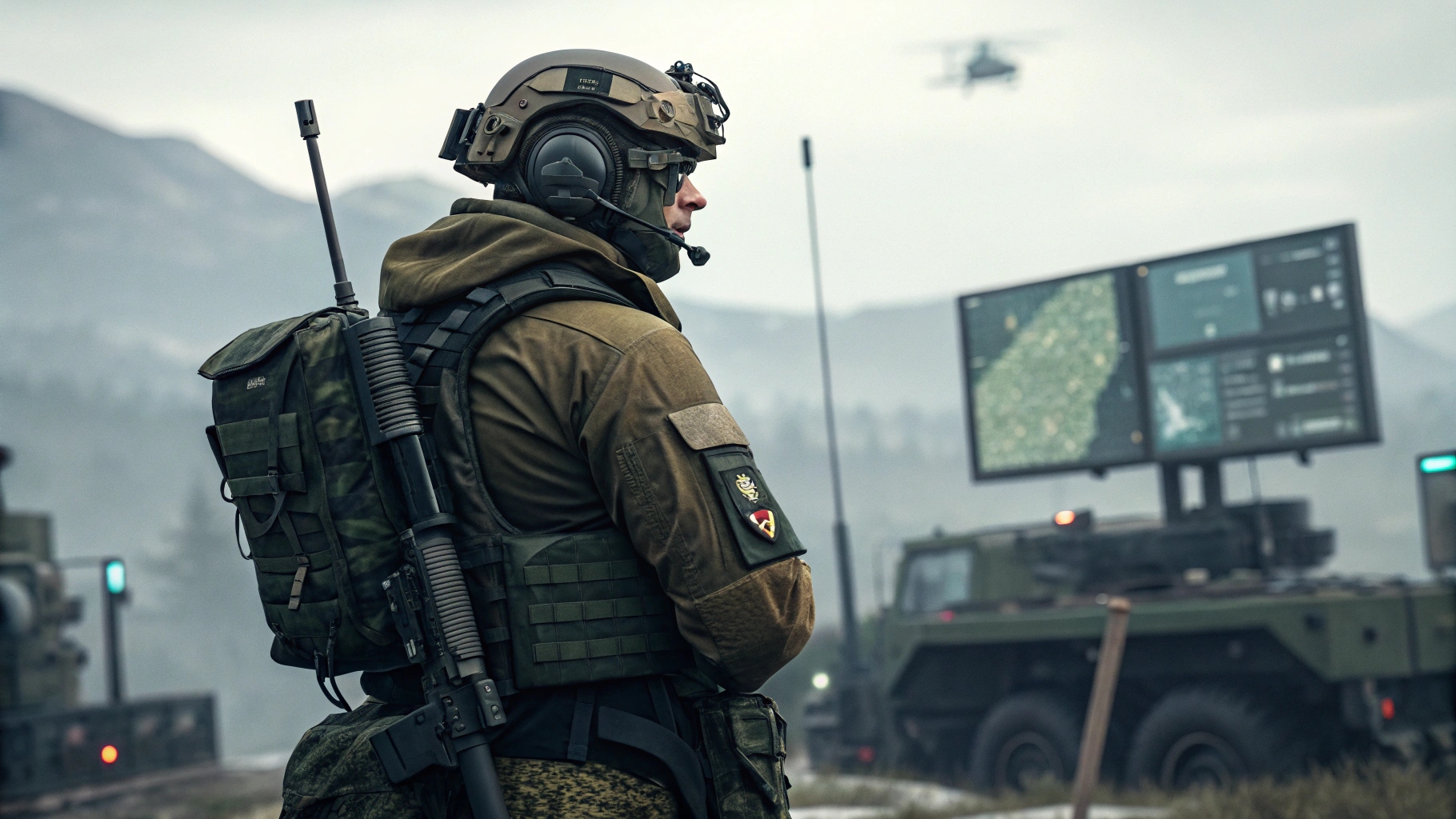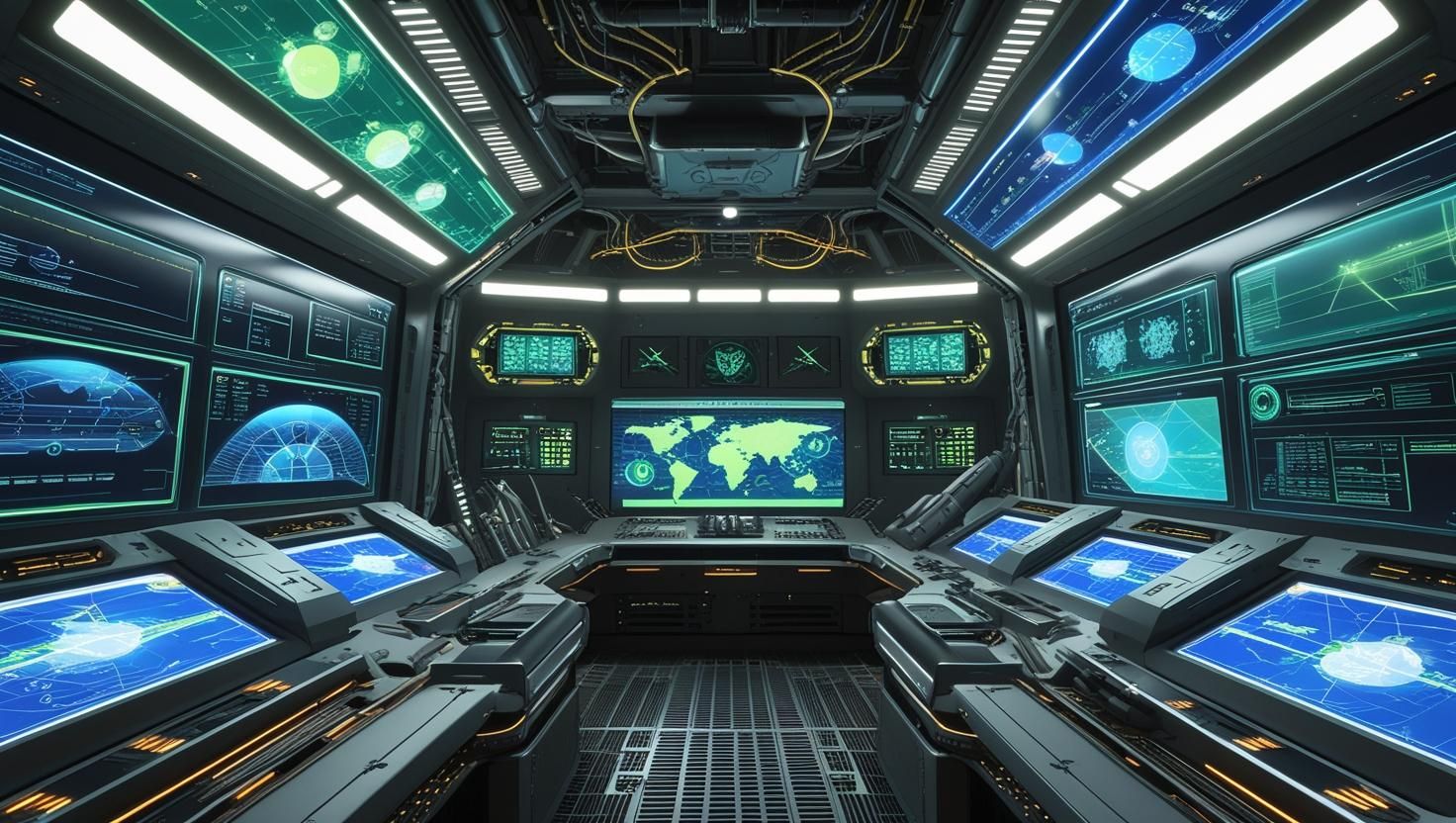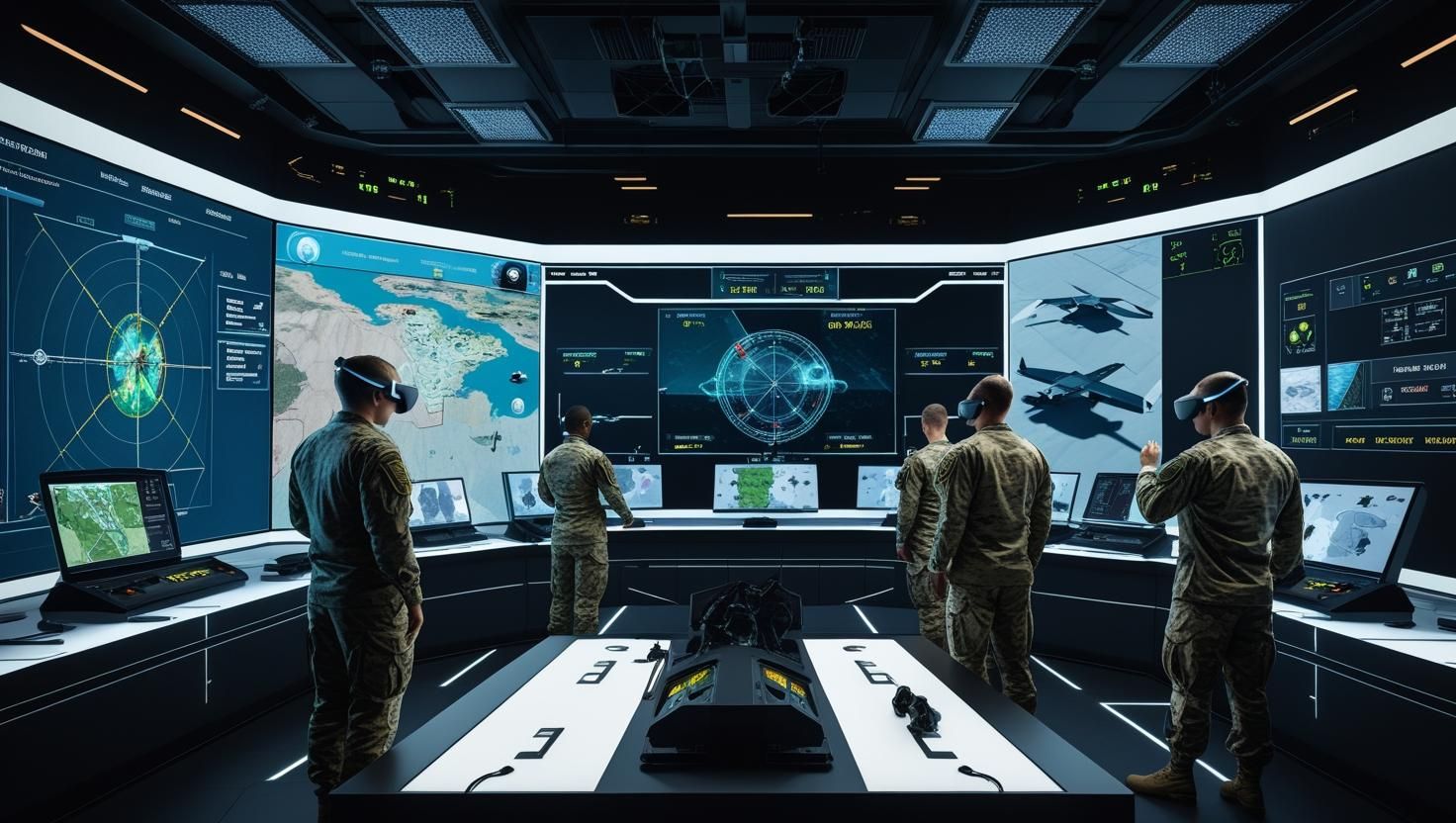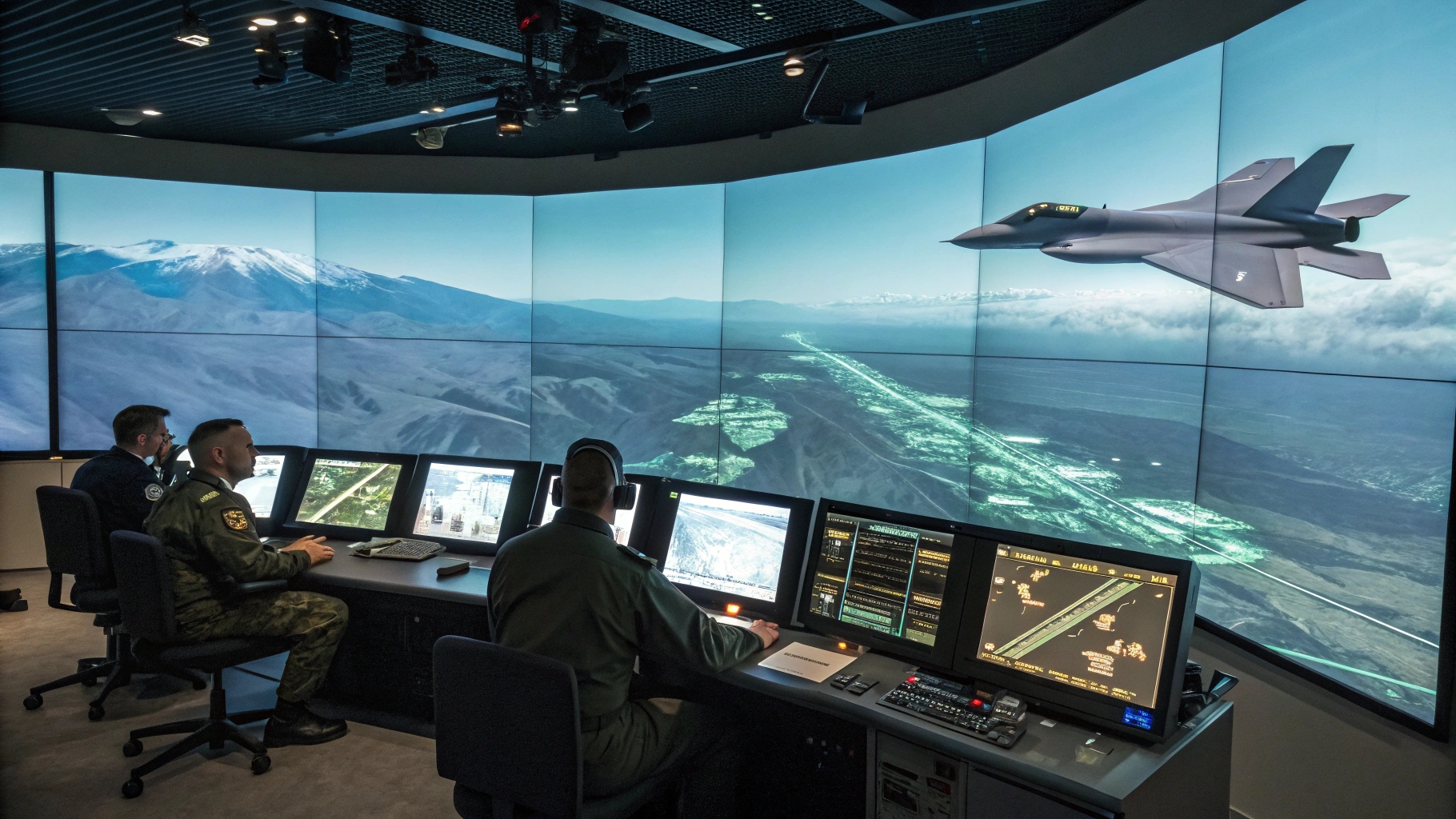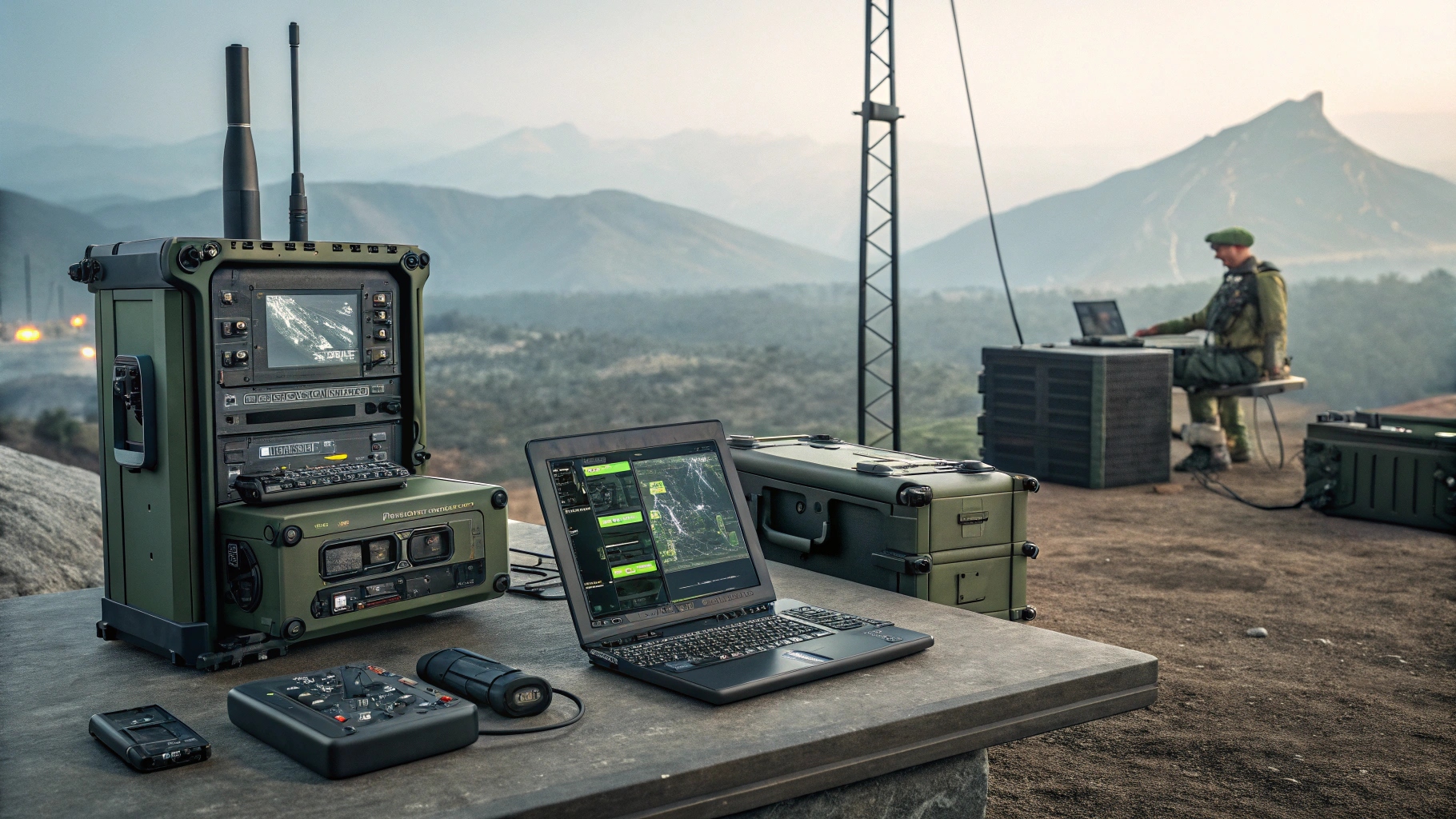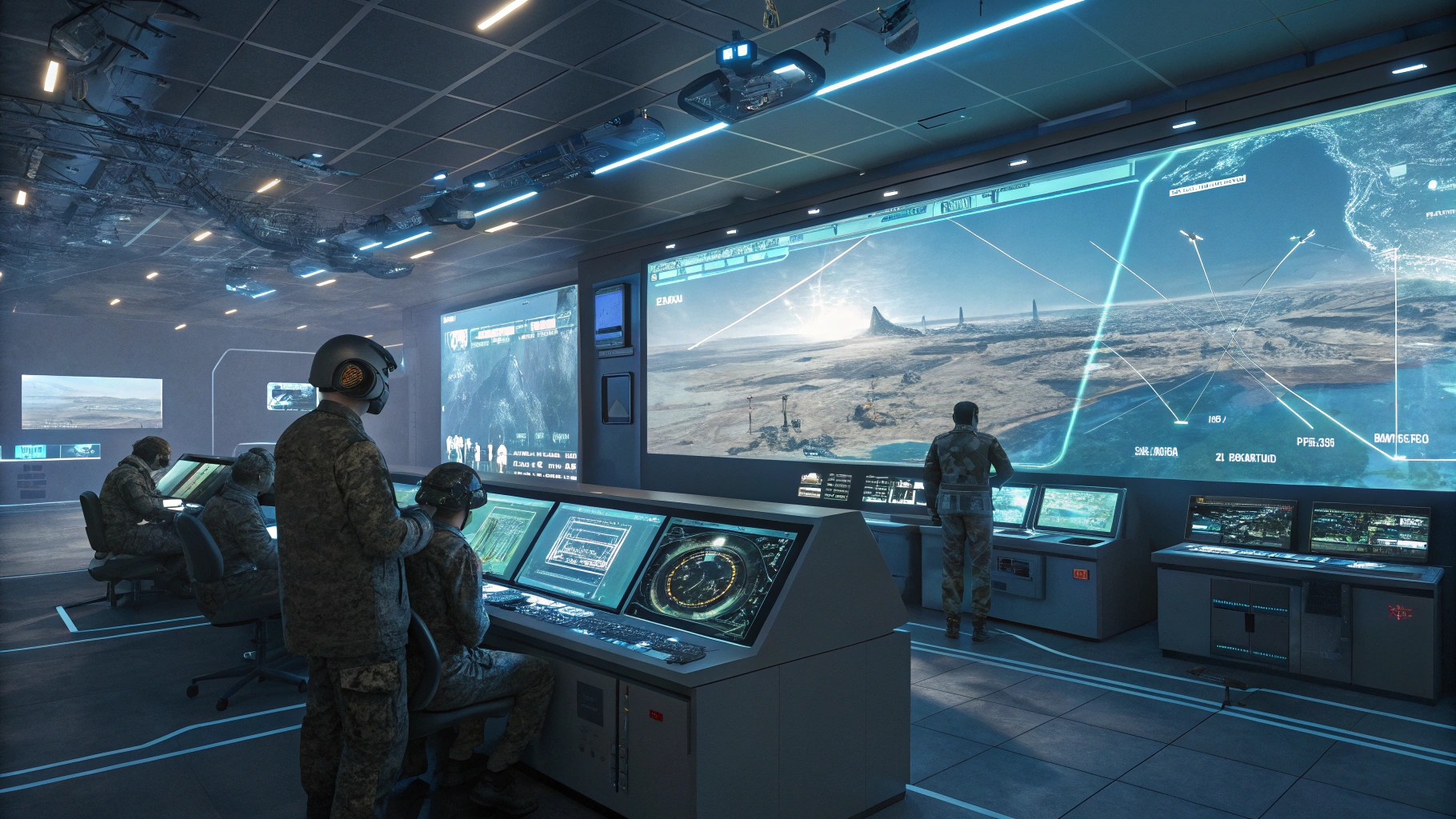

During Exercise Balikatan 2026, Lockheed Martin demonstrated its Next Generation Command and Control (NGC2) prototype as American and Philippine forces explored how integrated digital battle networks could improve operational coordination across the Indo-Pacific region. The system combined sensor integration, fires management, and airspace coordination into a single operational framework designed to speed up decision-making and improve situational awareness in distributed combat environments. The demonstration assessed whether a shared data architecture could reduce the time between target detection and engagement while supporting coordinated operations among dispersed command elements. The prototype was deployed across multiple operational nodes spanning Hawaii, the continental United States, and the Philippines, reflecting the geographically distributed nature of Indo-Pacific military operations. A major phase of the testing involved a live-fire counter-landing scenario in which the system connected targeting sensors with firing platforms almost instantaneously. Apache attack helicopters, HIMARS launchers, mortars, and artillery systems all operated through the NGC2 coordination network, which simultaneously produced battle damage assessments and operational analytics. Instead of relying on a traditional centralized command center, the architecture functioned through a distributed data layer linking tactical edge units with command hubs in Hawaii and the US mainland. Airspace coordination was also tested through the fusion of multiple radar and tracking feeds into a common display, enabling real-time management of simultaneous fires operations and reducing the risk of operational conflicts. The system further demonstrated interoperability between allied forces by allowing information sharing across varying security classifications, helping US and Philippine units maintain a unified operational picture throughout the exercise. The demonstration coincided with “Lightning Surge 3,” the third phase of an ongoing experimentation effort focused on refining operational command-and-control capabilities through real-world testing. Supporting the initiative are technology partners including Amazon Web Services, Raft, Lyntris, and Rune, which provide cloud infrastructure, distributed connectivity, and advanced data-processing support. Balikatan 2026 served not only as a bilateral military exercise but also as a platform for testing emerging command-and-control technologies intended to support future distributed operations across the Indo-Pacific theater.