Before drones became synonymous with modern warfare, one UAV family had already begun transforming how militaries conduct surveillance and gather battlefield intelligence.
The Elbit Hermes series has gradually become a globally recognized reconnaissance platform, known for its endurance, versatility, and increasing autonomy.
Used in missions ranging from counterterrorism to border security, the Hermes family highlights the growing importance of persistent, data-driven military operations.
This is the story of how the Hermes drone evolved, what makes it effective, and why it continues to play a critical role in modern combat environments.
What Is the Hermes Drone?
The Hermes is a series of medium-altitude, long-endurance unmanned aerial vehicles developed mainly for intelligence, surveillance, target acquisition, and reconnaissance tasks.
Created by Israeli defense manufacturer Elbit Systems, the drones are designed to stay airborne for long durations while delivering continuous battlefield awareness without exposing pilots to danger.
Development History
The origins of the Hermes family date back to the 1990s with the development of the Hermes 450, which entered service in 1998.
Initially intended as a tactical UAV, it gained widespread attention because of its endurance, modular payload design, and relatively economical operating profile.
Elbit later expanded the family with the Hermes 900, which first flew in 2009.
The larger platform introduced increased payload capacity, longer endurance exceeding 30 hours, and higher operational ceilings, answering demand for more capable persistent surveillance systems.
In 2024, Elbit unveiled the Hermes 650, designed to bridge the capability gap between the 450 and 900 models while offering improved survivability and multi-role functionality.
Hermes Drone Variants
The Hermes family is structured around multiple variants suited for different operational requirements:
Hermes 450: Tactical reconnaissance UAV capable of operating for more than 20 hours.
Hermes 650: A next-generation multi-role system offering enhanced endurance and payload adaptability.
Hermes 900: A larger MALE UAV with greater payload capacity, higher altitude capability, and endurance exceeding 30 hours.
Watchkeeper WK450: A specialized derivative developed alongside the UK defense sector.
This scalable family structure allows armed forces to deploy different models depending on mission size, duration, and complexity.
Operational Capabilities
Core Features
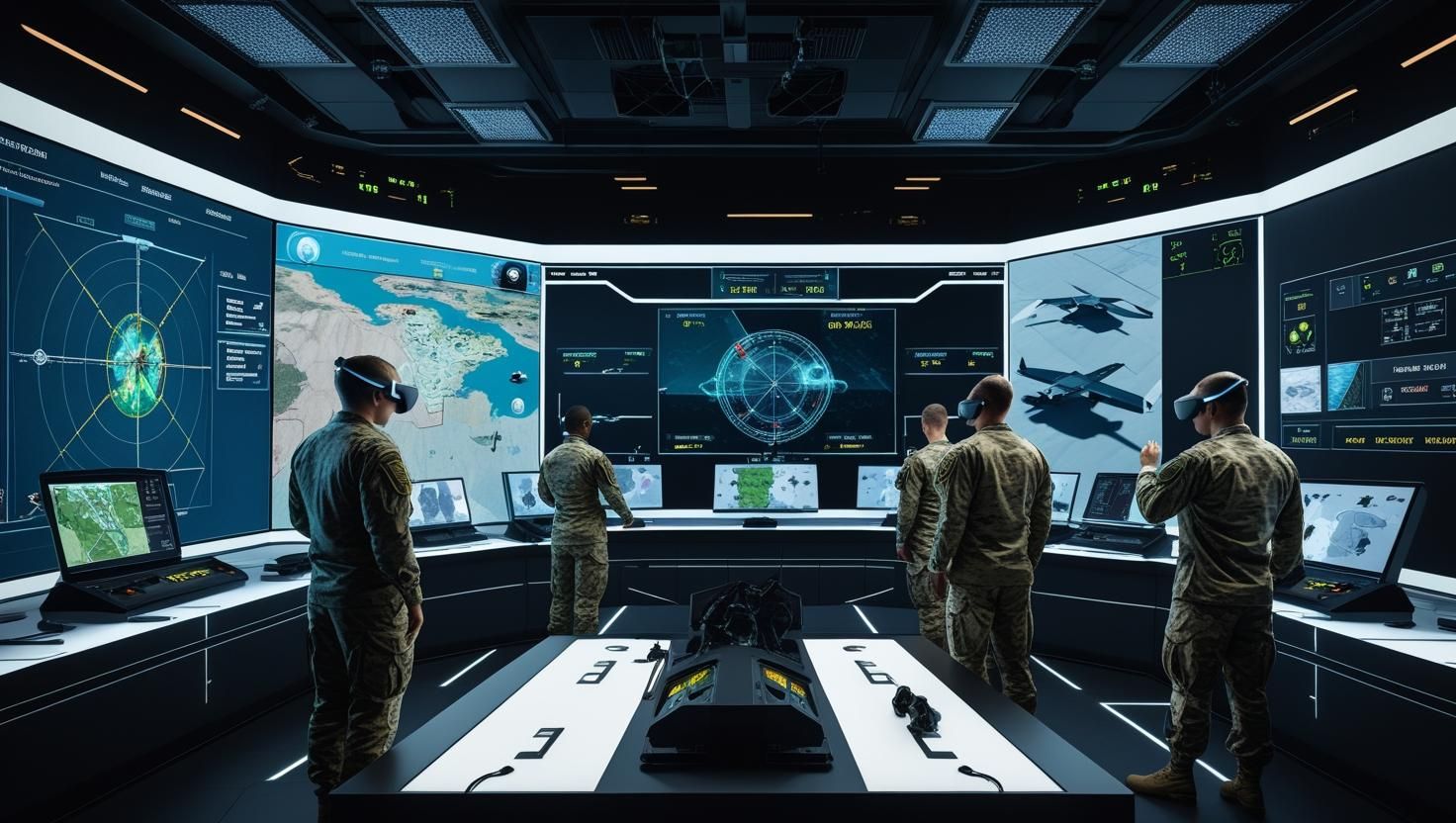
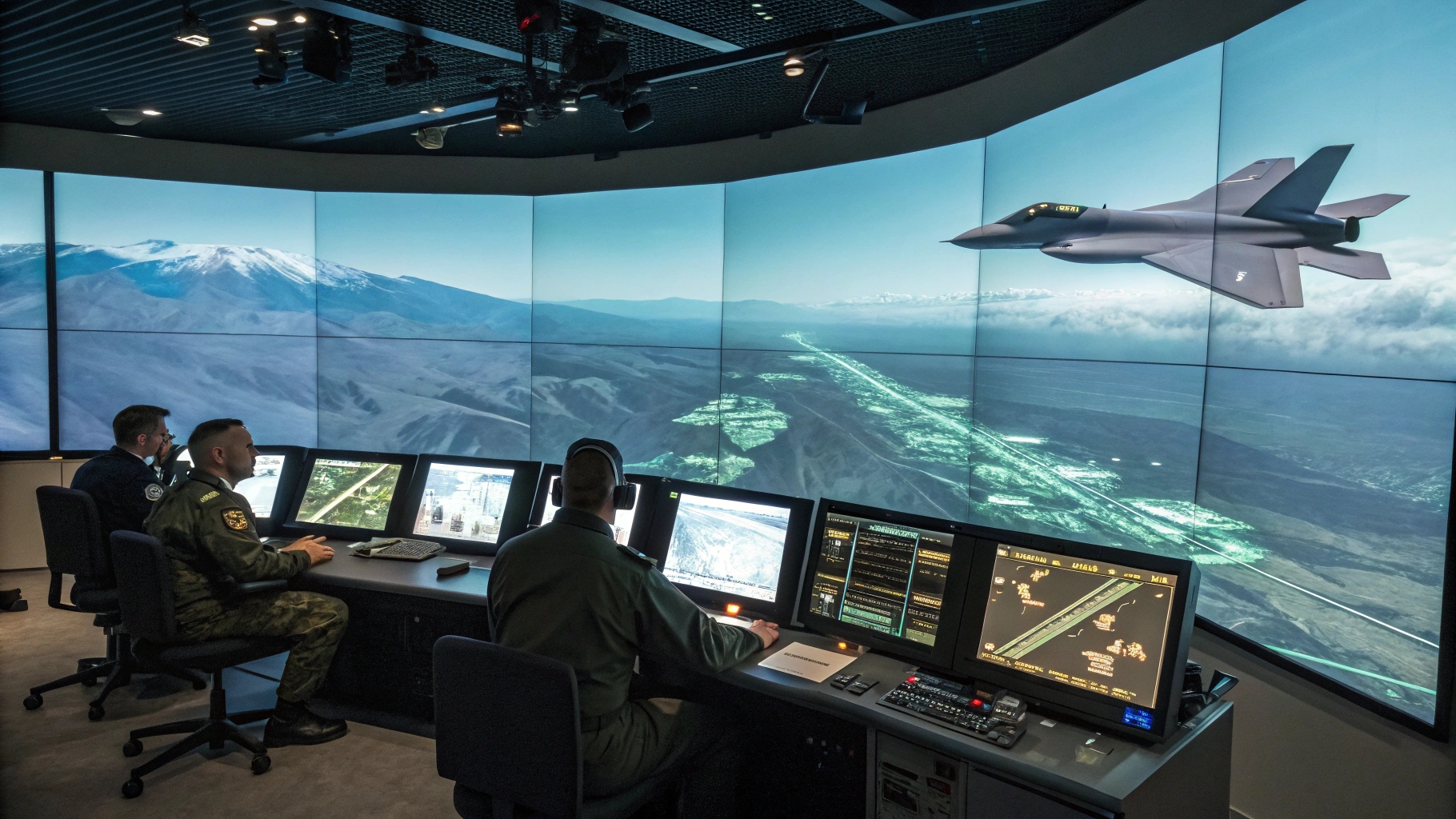
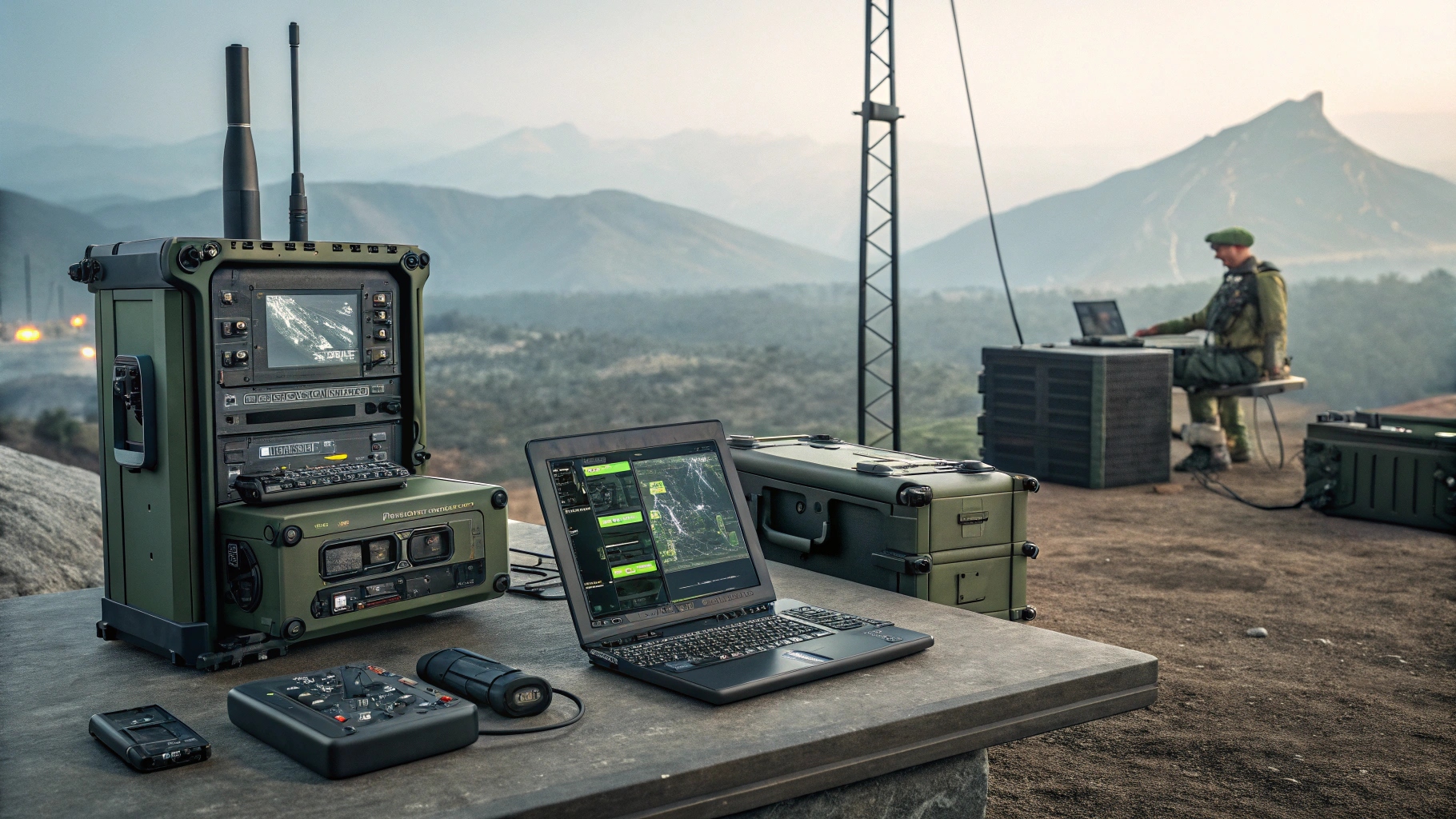
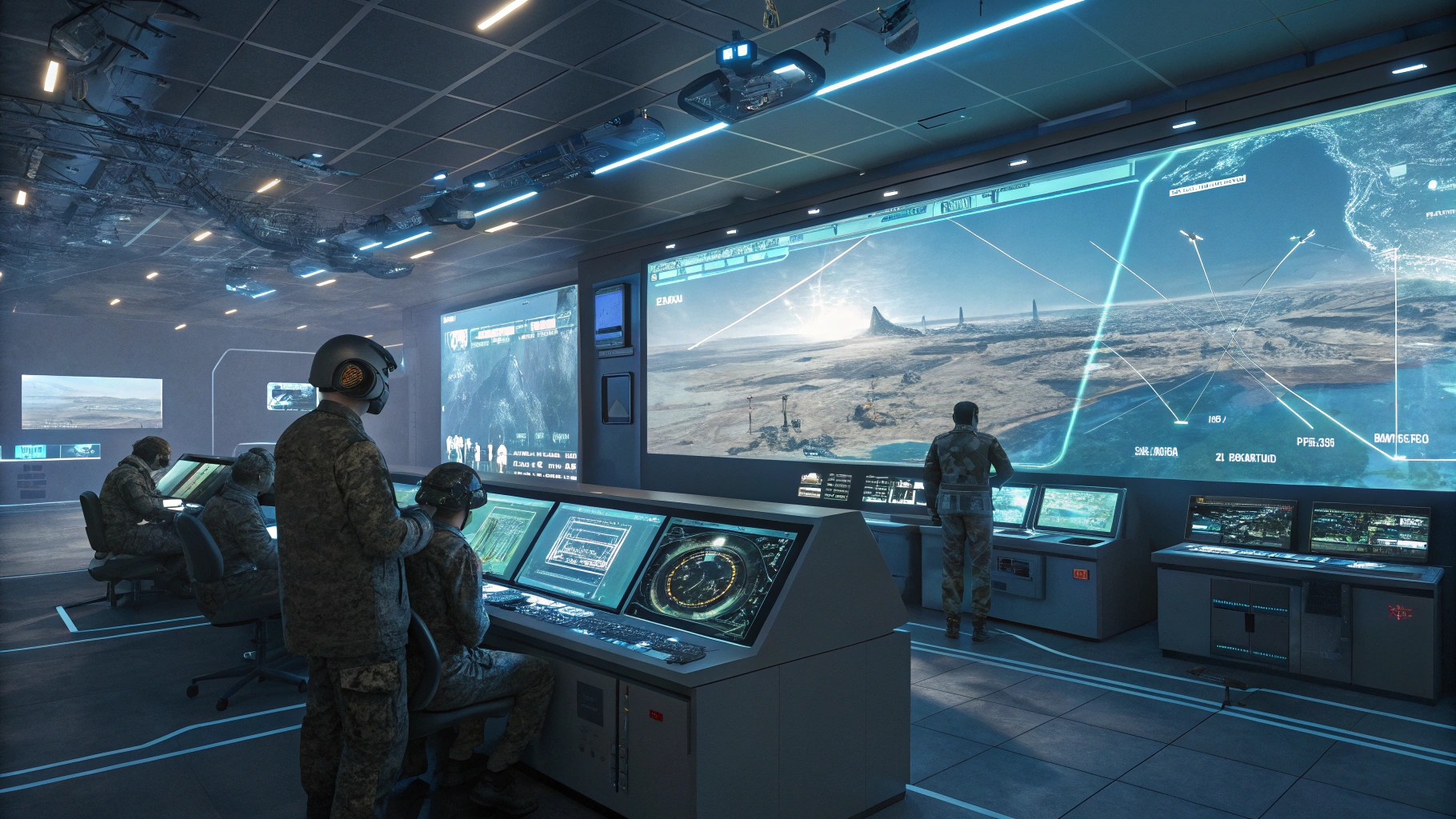
Hermes UAVs are controlled through dedicated ground stations where operators manage navigation, sensors, and mission execution.
The systems incorporate advanced autonomous functions, including automatic takeoff and landing capabilities.
Payload options include electro-optical sensors, infrared imaging systems, radar, and electronic intelligence suites, enabling comprehensive real-time data collection across multiple domains.
Advantages
One of the Hermes family’s defining strengths is endurance.
The ability to remain airborne for over 20 to 30 hours enables persistent surveillance and continuous target monitoring.
The drones also feature flexible payload integration, allowing rapid mission adaptation for reconnaissance, border security, communications relay, and maritime operations.
Compared with traditional manned aircraft, they offer a more economical solution for prolonged surveillance missions.
Drawbacks
Despite their effectiveness, Hermes drones are not low-observable platforms and may face vulnerabilities in heavily defended airspace.
Their reliance on communication links with ground control stations also creates potential exposure to electronic warfare and signal interference.
Although some configurations support armed operations, the systems are primarily designed for ISR missions rather than offensive strike roles.
International Operators and Missions
The Hermes family has been adopted by countries including Thailand, Brazil, Switzerland, Serbia, Singapore, and Philippines.
Israel has relied heavily on Hermes drones in the Gaza Strip for surveillance and intelligence operations.
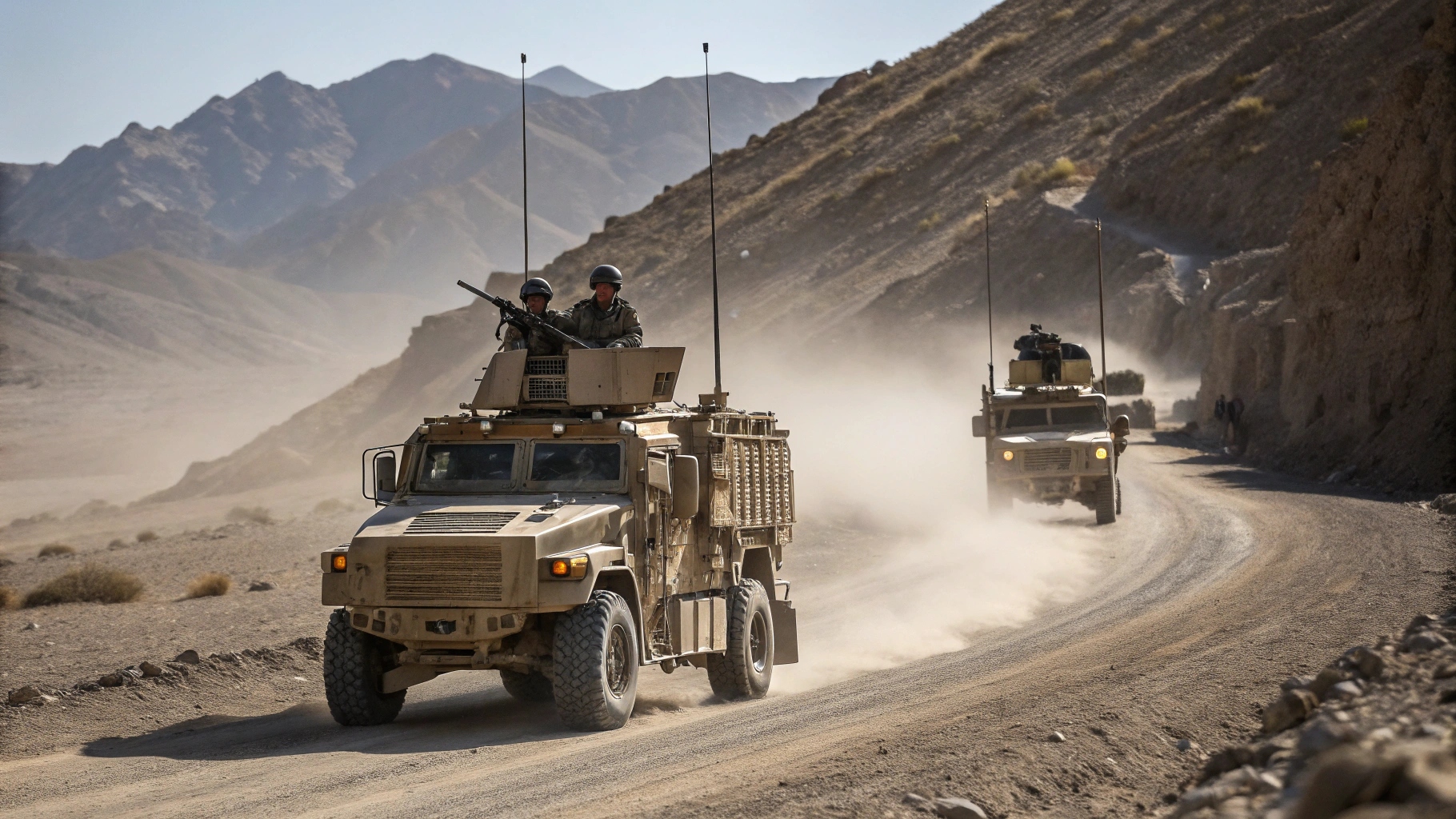
The United Kingdom deployed the Watchkeeper WK450 in Afghanistan to support British military operations through route surveillance and force protection.
Outside combat operations, Hermes drones have also supported maritime patrol, disaster relief efforts, and border monitoring activities.
Challenges and Criticism
The Hermes program has encountered several operational and political challenges.
In Switzerland, procurement delays emerged due to certification hurdles, integration requirements, and regulatory adjustments.
Meanwhile, Israel’s deployment of Hermes UAVs in conflict areas has generated criticism from human rights groups, particularly over surveillance and targeting concerns in contested regions.
Looking Ahead
As modern warfare becomes increasingly dependent on real-time intelligence and networked operations, the Hermes family is expected to evolve with more advanced sensors, satellite communications, and autonomous technologies.
Future integration of AI-powered analytics and interconnected battlefield systems could significantly expand the platform’s role in multi-domain warfare.
Even as newer UAV systems enter the market, the Hermes family’s operational track record, flexibility, and reliability ensure it remains an influential presence in contemporary military aviation.