
The Microwave Tube Research & Development Centre (MTRDC), a leading laboratory under the Defence Research and Development Organisation (DRDO), has issued an Expression of Interest (EoI) inviting Indian industry partners to participate in the development, integration, testing and field trials of BEDHAK, an advanced High-Power Radio Frequency (HPRF) Directed Energy Weapon (DEW).
Headquartered in Bengaluru, MTRDC serves as DRDO’s primary centre for developing high-power microwave tubes and pulsed power technologies. The laboratory plays a significant role in advancing India’s indigenous radio-frequency weapon capabilities.
Through this initiative, MTRDC aims to identify a qualified Indian Development-cum-Production Partner (DcPP) to transform BEDHAK from an advanced laboratory prototype into a ruggedized, operationally deployable tactical weapon system.
Unlike conventional weapons that depend on physical projectiles or explosives, BEDHAK employs powerful bursts of high-frequency electromagnetic energy to disrupt, degrade or permanently disable the electronic components of hostile platforms at the speed of light.
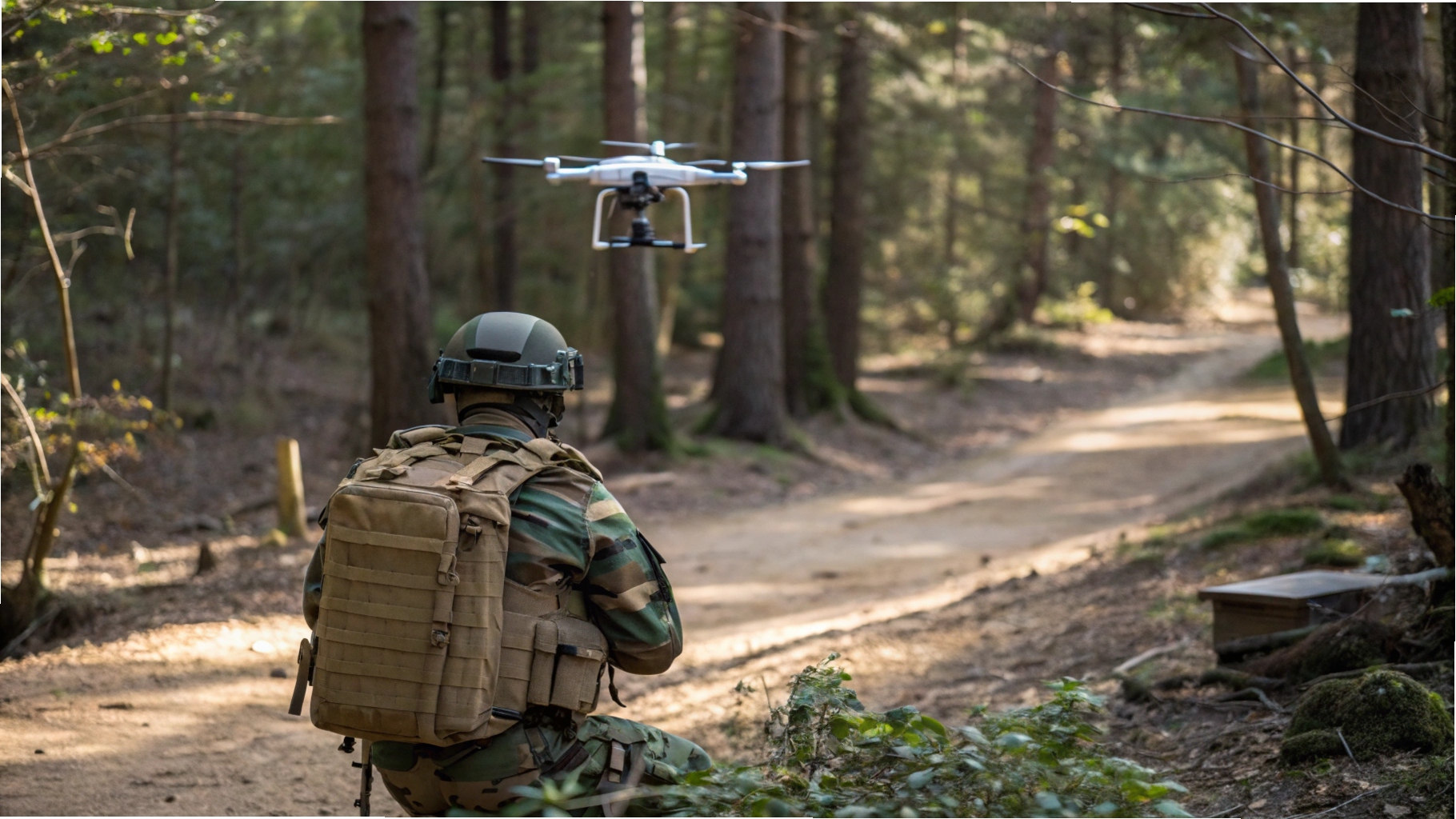
The system is designed to address emerging asymmetric aerial threats, including unmanned aerial vehicles (UAVs), autonomous drone swarms, loitering munitions and precision-guided missiles. These platforms rely heavily on electronic flight controllers, navigation sensors and communication links, making them vulnerable to electromagnetic disruption and thermal stress.
Under the EoI framework, the selected Indian industry partner will undertake the engineering development of critical subsystems, mechanical and electrical integration, environmental qualification and comprehensive field evaluation trials in coordination with DRDO scientists.
The DcPP arrangement will enable the selected industry partner to work closely with MTRDC throughout the final development and validation stages. This collaboration will facilitate the transfer of essential manufacturing expertise and establish the industrial infrastructure required for serial production following successful user trials.
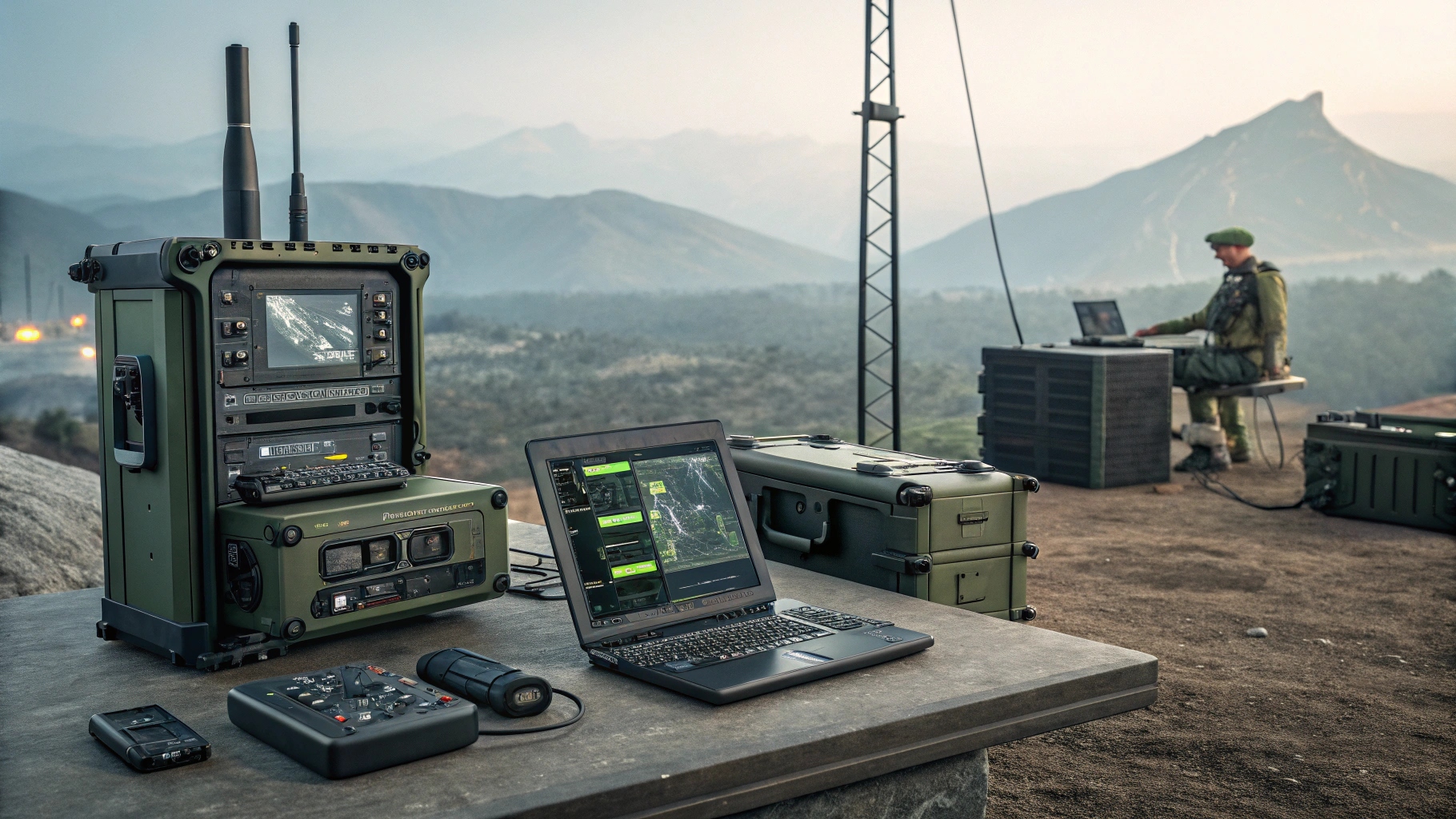
A typical high-power RF directed energy weapon incorporates several sophisticated subsystems, including a compact prime power source, high-voltage pulsed power conditioning unit, high-power microwave generator such as a magnetron or vircator, and a high-gain directional antenna designed to concentrate electromagnetic energy towards designated targets.
The opportunity is open to eligible Indian defence companies, private-sector manufacturers, Micro, Small and Medium Enterprises (MSMEs), and qualified start-ups. Applicants are expected to demonstrate expertise in high-voltage pulsed power electronics, RF and microwave engineering, military-grade mechanical fabrication and complex system integration.
Prospective Development-cum-Production Partners must satisfy DRDO’s prescribed technical and financial requirements. These include indigenous manufacturing capabilities, compliance with stringent quality assurance standards and the necessary security clearances under Ministry of Defence procurement guidelines.
The introduction of an indigenous platform such as BEDHAK could strengthen India’s ability to counter emerging aerial threats, particularly in sensitive border regions where inexpensive commercial drones are increasingly being used for cross-border surveillance, smuggling and tactical operations.
Conventional air defence solutions, including surface-to-air missiles and anti-aircraft artillery, can become economically challenging when deployed against large numbers of low-cost drones. Their relatively high engagement costs and limited ammunition capacity create operational constraints when confronting coordinated drone swarms.
In comparison, RF-based directed energy weapons offer a potentially cost-effective engagement capability, with ammunition requirements largely replaced by electrical power availability. Additionally, high-power RF systems can cover a wider engagement footprint than high-energy laser weapons, potentially enabling multiple closely spaced drone targets to be neutralised within a swarm without maintaining prolonged energy exposure on individual platforms.
The BEDHAK development initiative supports the Government of India’s Atmanirbhar Bharat programme and the objectives of the Defence Acquisition Procedure (DAP), which emphasise indigenous research, development and manufacturing to reduce dependence on foreign suppliers for advanced military technologies.
Following the submission and assessment of EoI responses, shortlisted Indian companies will be invited to participate in the subsequent Request for Proposal (RFP) process. The programme is expected to progress towards contract allocation, prototype development and extensive field trials under different climatic and operational conditions across India.