
Kalavinka Technologies has unveiled the Nyx MK-I, an indigenous autonomous loitering munition developed to operate in GPS-denied and highly contested environments. Created by engineers associated with IIT Kharagpur, the platform integrates artificial intelligence, autonomous navigation, and a low-cost manufacturing approach to meet the changing demands of modern warfare.
The development represents the increasing participation of Indian defense startups in advanced weapons and autonomous technologies. With an emphasis on indigenous design, scalable production, and autonomous capabilities, the Nyx MK-I supports India’s broader Atmanirbhar Bharat objectives and the military’s shift toward increasingly networked and automated operations.
One of the platform’s central capabilities is autonomous fire-and-forget operation. The Nyx MK-I is designed to reduce reliance on continuous operator communication and satellite navigation by using onboard sensors and AI-based navigation. This allows the system to remain functional even when GNSS signals are unavailable or disrupted through electronic warfare.
This capability is particularly relevant as GPS jamming and spoofing have become common features of modern conflicts. By reducing dependence on external navigation signals, autonomous systems can maintain greater operational flexibility in environments where conventional remotely controlled drones may experience communication or navigation difficulties.
Kalavinka Technologies has indicated that the Nyx MK-I was developed entirely using in-house capabilities. The development process reportedly covers CAD design, aerodynamic modeling, embedded computing, and software integration. Such an approach could help expand India’s domestic expertise in autonomous weapons while reducing dependence on imported technologies and components.
The system is intended to conduct precision engagements against soft targets, forward positions, and other vulnerable tactical assets. Like other loitering munitions, the Nyx MK-I combines elements of an unmanned reconnaissance platform and a precision weapon. It can search an assigned area and engage a suitable target once identified, providing commanders with an option for rapidly responding to changing battlefield conditions.
Cost efficiency is another major element of its design. The Nyx MK-I follows an attritable approach, allowing military forces to deploy potentially large numbers of relatively affordable systems. This concept has gained attention as armed forces seek greater quantities of autonomous platforms that can be employed without the financial burden associated with high-value weapons.
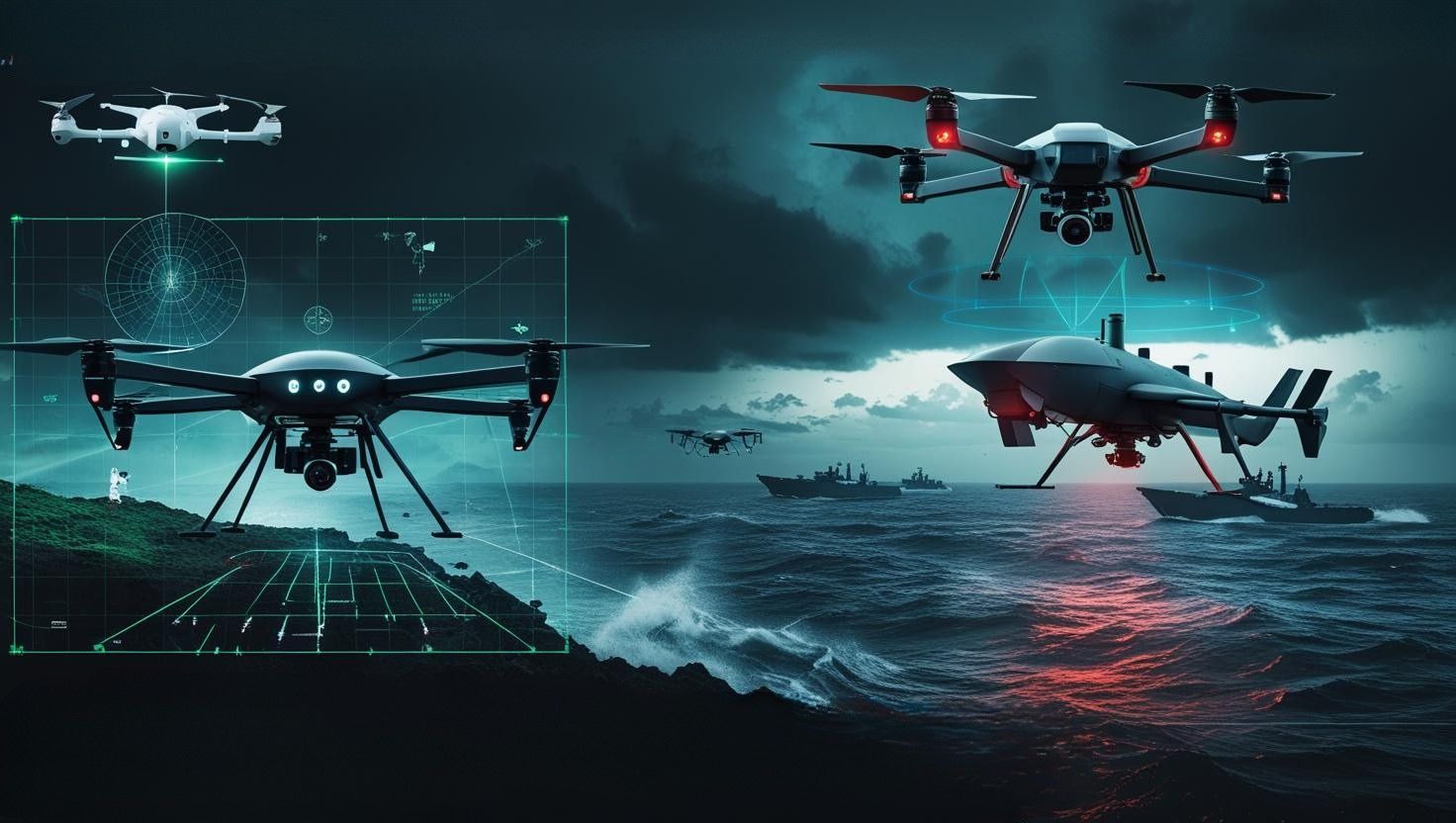
Kalavinka Technologies has also highlighted the platform’s potential for coordinated swarm operations. Multiple Nyx MK-I systems could potentially work together during an engagement, creating simultaneous threats from different directions. Swarm tactics can complicate the task of enemy air-defense systems by increasing the number of objects requiring detection and interception.
AI-based autonomy can help coordinate multiple platforms while reducing the level of continuous human control required. The Nyx MK-I’s ability to function in electronic warfare environments further reflects the growing importance of operating effectively when communications and navigation systems are under attack.
The platform’s development also illustrates the expanding role of Indian startups in defense innovation. Companies in the sector are increasingly working on unmanned aerial systems, artificial intelligence, robotics, autonomous platforms, and advanced sensing technologies alongside DRDO and established defense manufacturers.
Programs such as iDEX have helped create pathways for Indian startups to develop and demonstrate technologies tailored to military requirements.
With global defense forces increasingly adopting autonomous and AI-enabled systems, loitering munitions are expected to remain an important element of future warfare. Platforms capable of precision engagement, autonomous navigation, electronic warfare resilience, and coordinated operations could provide military forces with greater flexibility across both conventional and asymmetric battlefield scenarios.