
Israel has reportedly offered India the Golden Horizon Air-Launched Ballistic Missile (ALBM), a move that could redefine the upper end of the Indian Air Force’s long-range strike spectrum. Unlike tactical air-to-surface munitions, this system is designed for hardened strategic objectives and deeply protected infrastructure.
The reported offer aligns with India’s ongoing efforts to expand and diversify its stand-off strike inventory, ensuring capability across both battlefield suppression and long-distance strategic deterrence roles.
Golden Horizon is understood to originate from the Silver Sparrow ballistic target missile, historically used in missile defence testing to replicate complex threat trajectories. Measuring around eight metres and weighing approximately three tonnes, the base platform has been adapted from a testing surrogate into a potential operational strike weapon.
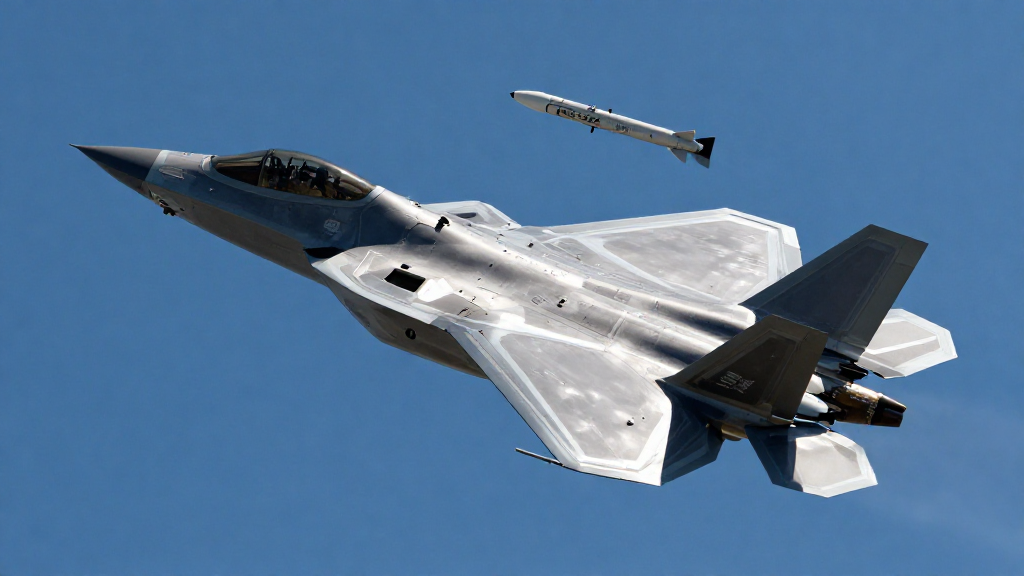
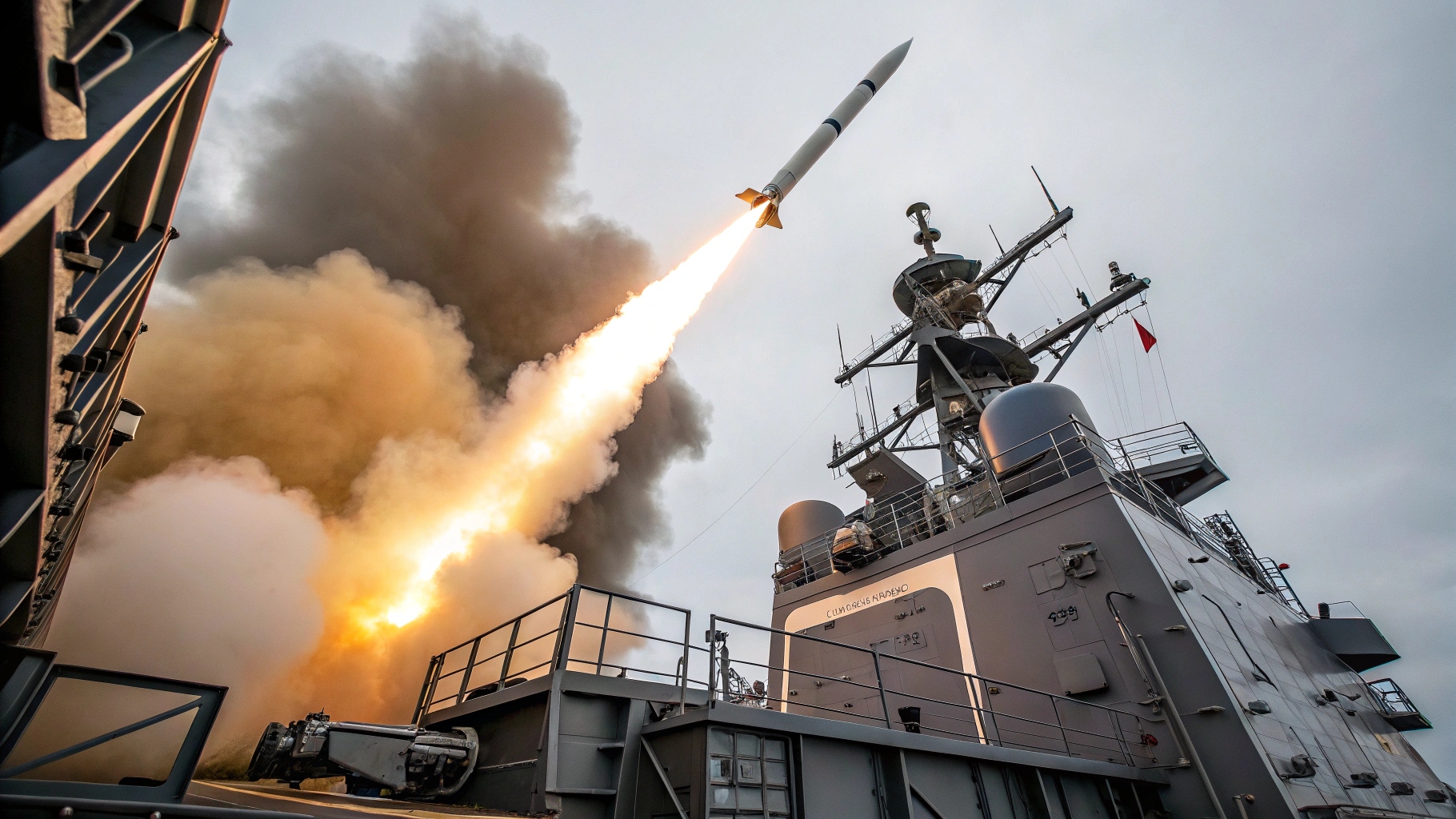
In its ALBM configuration, Golden Horizon would be launched from fighter aircraft before entering a ballistic flight path. Depending on release parameters such as altitude and velocity, assessments suggest its operational range could extend between 1,000 and 2,000 kilometres.
For comparison, Israel’s Air LORA provides a range of about 400 kilometres, while the Rampage extends to roughly 250 kilometres. Both are intended for precision engagement of tactical targets like air defence systems and logistics nodes.
Golden Horizon would fill a different operational niche. Its mission profile reportedly centres on defeating heavily fortified and subterranean facilities—such as reinforced command bunkers or strategic infrastructure—where standard stand-off munitions may lack sufficient reach or penetration.
Following release, the missile would climb before descending at extreme speed, with its terminal phase believed to approach hypersonic levels. Such velocity not only complicates interception but also dramatically increases kinetic penetration power upon impact.
The destructive effectiveness of high-speed ballistic descent lies in its physics: the immense kinetic energy generated during terminal impact enhances the missile’s ability to breach reinforced concrete and subterranean layers.
In contemporary defence planning, hardened targets are protected through layered passive defences, including deep burial and structural reinforcement. Successfully neutralising them requires both precision and overwhelming impact force—characteristics reportedly central to Golden Horizon’s design philosophy.
While no official confirmation of acquisition has surfaced and discussions appear preliminary, the mere prospect of evaluating Golden Horizon signals a shift in India’s long-range strike thinking.
Where systems like Air LORA and Rampage serve immediate tactical suppression needs, Golden Horizon would represent a strategic instrument—intended for highly sensitive missions against deeply shielded, high-value targets that demand exceptional range and penetrative capability.