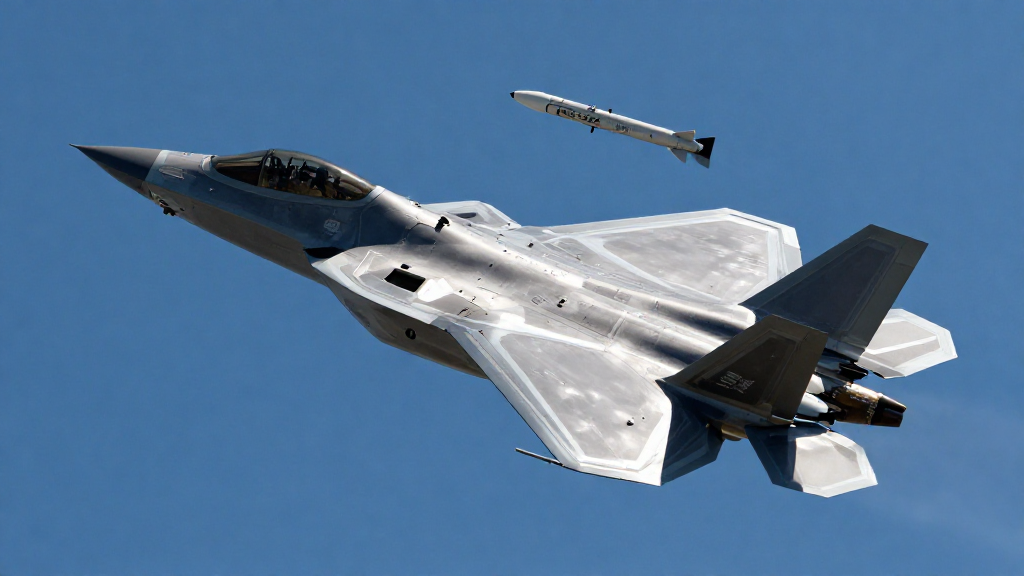

India’s next-generation long-range anti-ship strike initiative, often referred to as a “carrier-killer” program, has entered a more advanced stage of development after completing three developmental trials, with user evaluations by the Indian Navy expected to follow.
While official timelines still place full operational induction around 2029–2030, emerging signs indicate that limited deployment — especially in a coastal-defense configuration — could begin sooner through Limited Series Production (LSP).
The upcoming transition to user trials marks a significant step in the program’s maturation. During this phase, naval operators will assess the system under operational conditions, examining factors such as combat reliability, integration with battlefield command networks, performance against maneuvering maritime targets, and resilience in electronic warfare scenarios.
For a strategic anti-ship weapon intended to counter high-value naval assets, aspects such as survivability, precision targeting, and secure real-time data connectivity are considered equally important as raw speed and strike range.
Emerging Integrated Strike Concepts
The program has also drawn attention because of its potential future role within a proposed Integrated Rocket Force — a concept reflecting India’s evolving approach to centralized management of long-range precision strike systems.
Under such a structure, anti-ship, land-attack, and possibly hypersonic missile assets could operate within a unified command framework, improving coordination and operational flexibility across the armed forces.
Analysts believe early induction through land-based coastal batteries would mirror international trends favoring shore-based anti-ship missile systems as survivable and cost-effective sea-denial tools.
Deployed across India’s mainland coastline and island territories, these systems could establish layered maritime defense zones capable of restricting adversary naval maneuverability while reducing reliance on immediate large-scale shipborne deployment.
Networked Maritime Strike Capability
The system is expected to combine long-range engagement capability with high-speed terminal attack characteristics, potentially supported by advanced multi-mode guidance seekers and mid-course updates provided through integrated sensor networks.
Effective over-the-horizon targeting will likely depend on coordination with maritime patrol aircraft, unmanned systems, and satellite surveillance assets capable of providing real-time targeting information.
Current projections indicate that user trials could take place between 2027 and 2028, with formal induction of the coastal variant planned around 2029–2030. However, an earlier LSP phase could allow limited operational deployment before full induction to support training and doctrine refinement.
From a strategic perspective, the program significantly strengthens India’s anti-access/area-denial (A2/AD) capabilities within the Indian Ocean Region by increasing operational risks for hostile carrier strike groups and other major naval platforms approaching Indian maritime zones.
The new capability is expected to operate alongside systems such as the BrahMos and future indigenous hypersonic weapons, helping create a layered long-range maritime strike network.