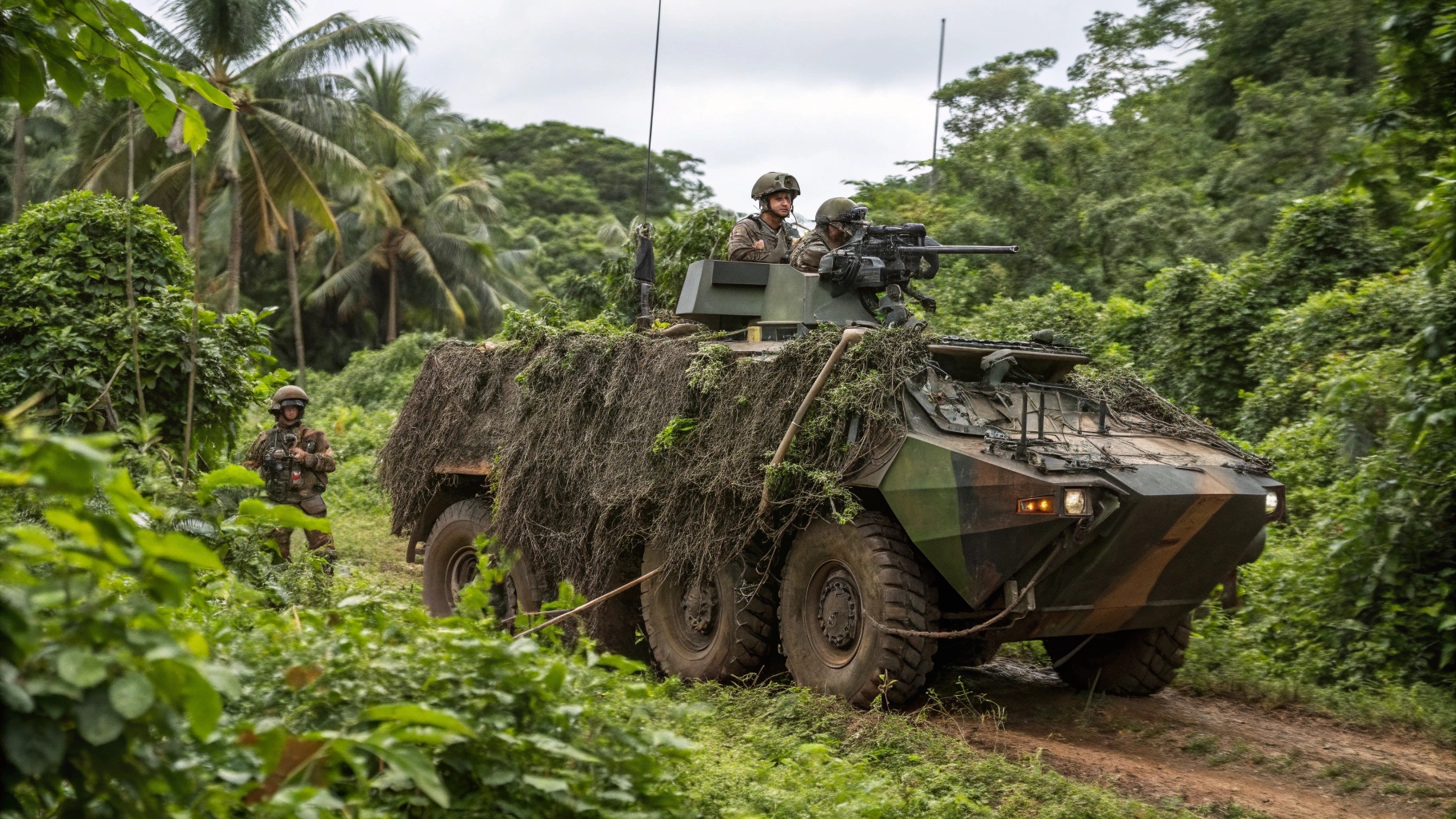
In today’s battlefield environment, victory depends less on size and more on agility, survivability, and precision firepower.
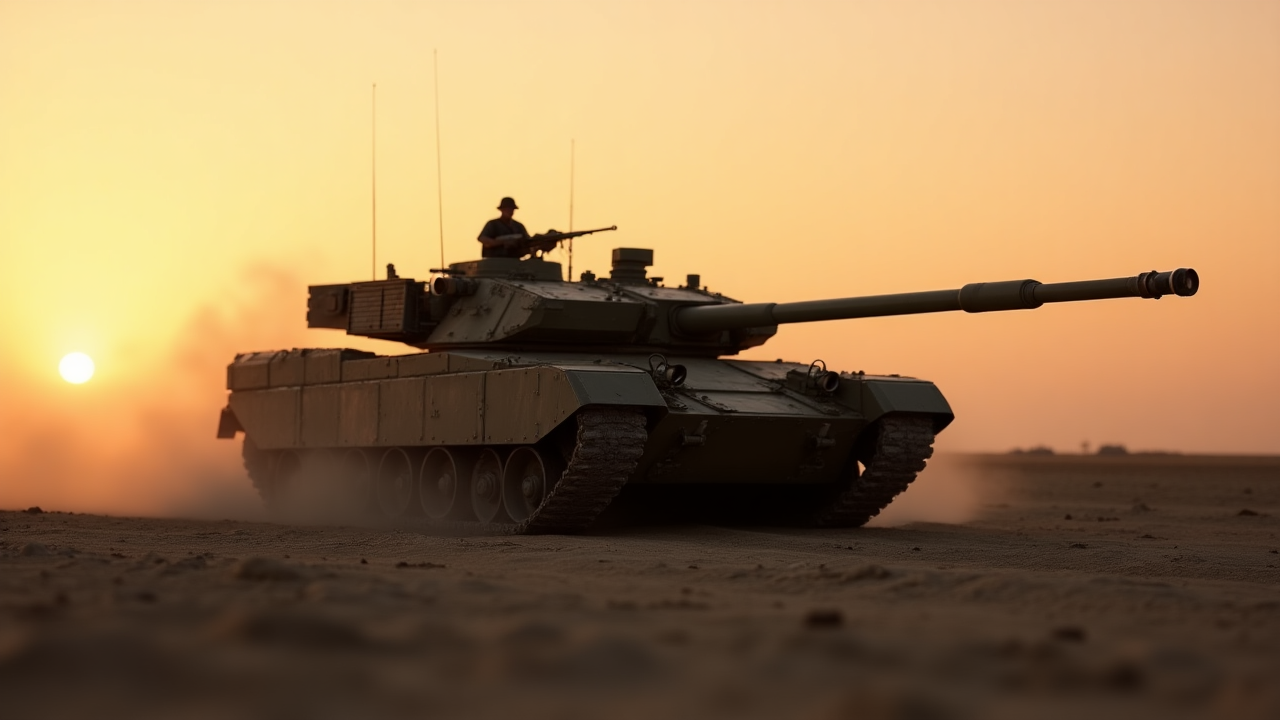
Inspired by the highly aggressive Australian Redback spider, the Redback infantry fighting vehicle is designed to confront larger threats while protecting troops in some of the world’s most demanding combat conditions.
Built to support frontline forces, the vehicle combines advanced protection, lethal firepower, and digital battlefield awareness to help dominate modern combat operations.
This guide examines the Redback IFV’s origins, capabilities, operational advantages, limitations, and future potential.
What Is the Redback IFV?
The Redback is a next-generation tracked infantry fighting vehicle developed by Hanwha Aerospace for the Australian Army.
Using modern sensors, networking systems, and modular weapons, the vehicle is intended to rapidly detect and engage threats while maintaining operational flexibility.
It was developed as part of Australia’s LAND 400 Phase 3 modernization initiative, which seeks to replace the aging M113 armored personnel carrier fleet with a more capable IFV suited for high-intensity warfare and joint operations with main battle tanks.
Origins of the Program
Australia launched the LAND 400 effort to modernize its armored combat fleet and improve battlefield survivability.
Rather than adapting an existing design, Hanwha Aerospace created the AS21 Redback specifically for Australian operational requirements, focusing on protection, digital integration, and adaptability across varied terrain.
After a lengthy evaluation process against the Rheinmetall KF41 Lynx, the Australian government selected the Redback in 2023 as its future IFV platform.
Core Technologies and Features
Protection Systems
The Redback features a layered survivability approach that combines heavy armor with an active protection system capable of defeating incoming anti-tank missiles and rocket-propelled grenades before impact.
The platform also includes blast-attenuating seats and a reinforced hull to improve crew survivability against mines and improvised explosive devices.
Weapons and Combat Capability
The vehicle is commonly equipped with a remotely operated turret carrying the Mk44S Bushmaster II 30mm cannon.
The system is supported by a coaxial machine gun and can integrate anti-tank guided missiles for engaging both armored and infantry threats.
Hanwha Defence Australia selected EOS in 2025 to provide R400 Remote Weapon Systems for the fleet.
Situational Awareness and Networking
The Redback incorporates advanced sensors, cameras, and battlefield management systems that provide the crew with full 360-degree awareness.
Its networking capability enables real-time information sharing between units and command structures, while systems such as the PASEO Joint Fires targeting solution improve combat effectiveness and survivability.
Advantages
Strong crew protection through active protection systems, layered armor, and blast-resistant construction.
Advanced digital systems enabling improved coordination and rapid threat response.
Flexible modular design supporting future upgrades and mission customization.
Challenges
The vehicle’s weight, exceeding 40 tons, may affect mobility in some operational environments and increase logistical demands.
As a relatively new platform, it has limited real-world combat experience.
Sophisticated protection and electronic systems contribute to higher procurement and maintenance costs.
International Prospects
The Australian Army remains the first confirmed operator of the Redback IFV, with local production supporting Australia’s domestic defense sector.
The vehicle could also appeal to other militaries seeking a highly protected IFV optimized for modern combined-arms warfare.
However, the program has also encountered cybersecurity risks, including a reported leak of classified Redback technical data by the Iranian-linked hacking group Cyber Toufan.
Looking Ahead
The Redback has been designed to evolve alongside emerging threats such as drones and advanced anti-tank weapons.
Future developments may include next-generation active protection systems, autonomous technologies, and additional weapon integrations to maintain the platform’s relevance on future battlefields.