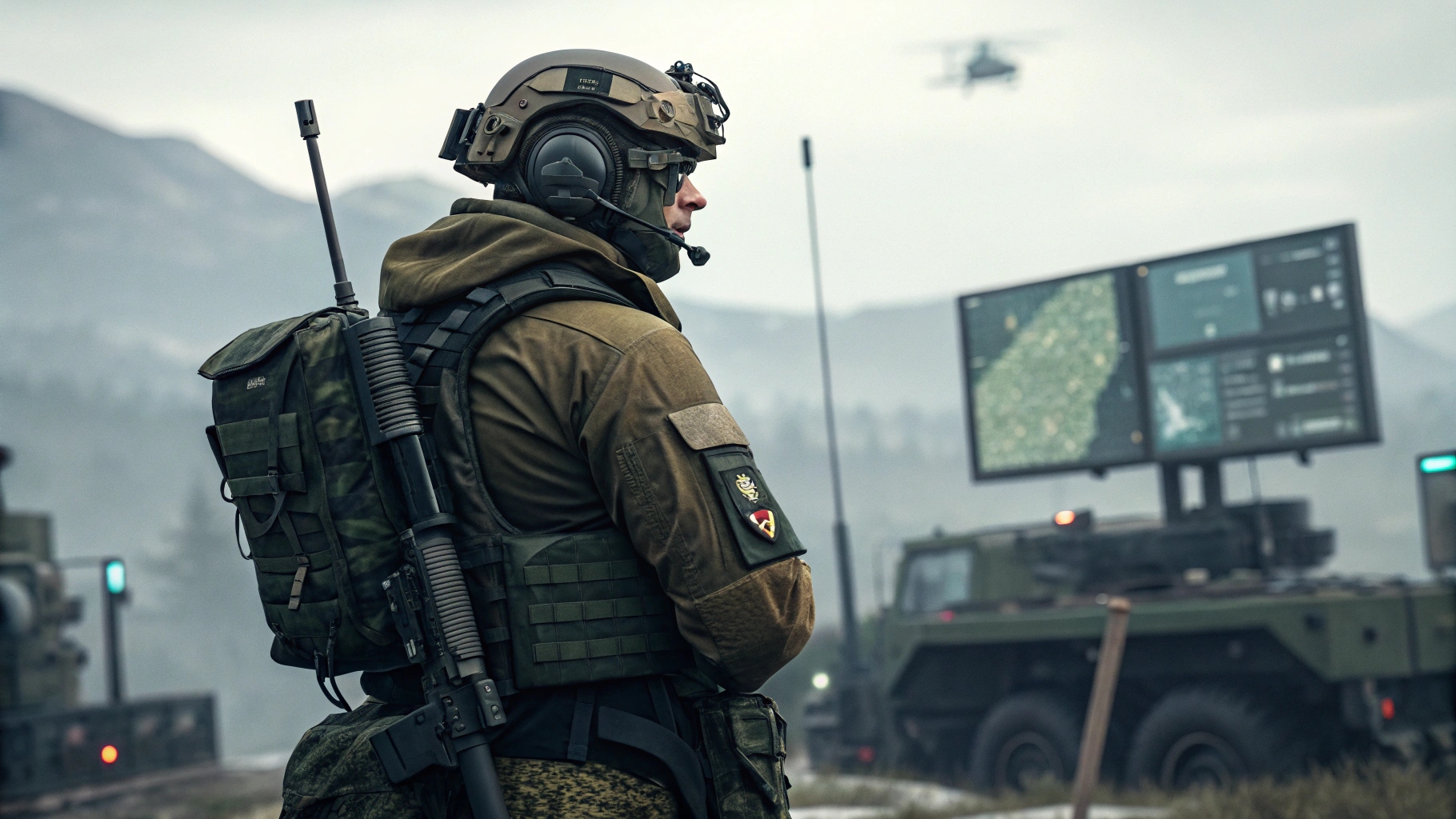
NewSpace Research & Technologies Pvt Ltd has introduced a new range of Unmanned Ground Vehicles (UGVs), signaling its expansion into land-based autonomous warfare systems. Rather than a single platform, the company is developing a cohesive family of interoperable systems designed to operate within a layered, network-centric combat framework.
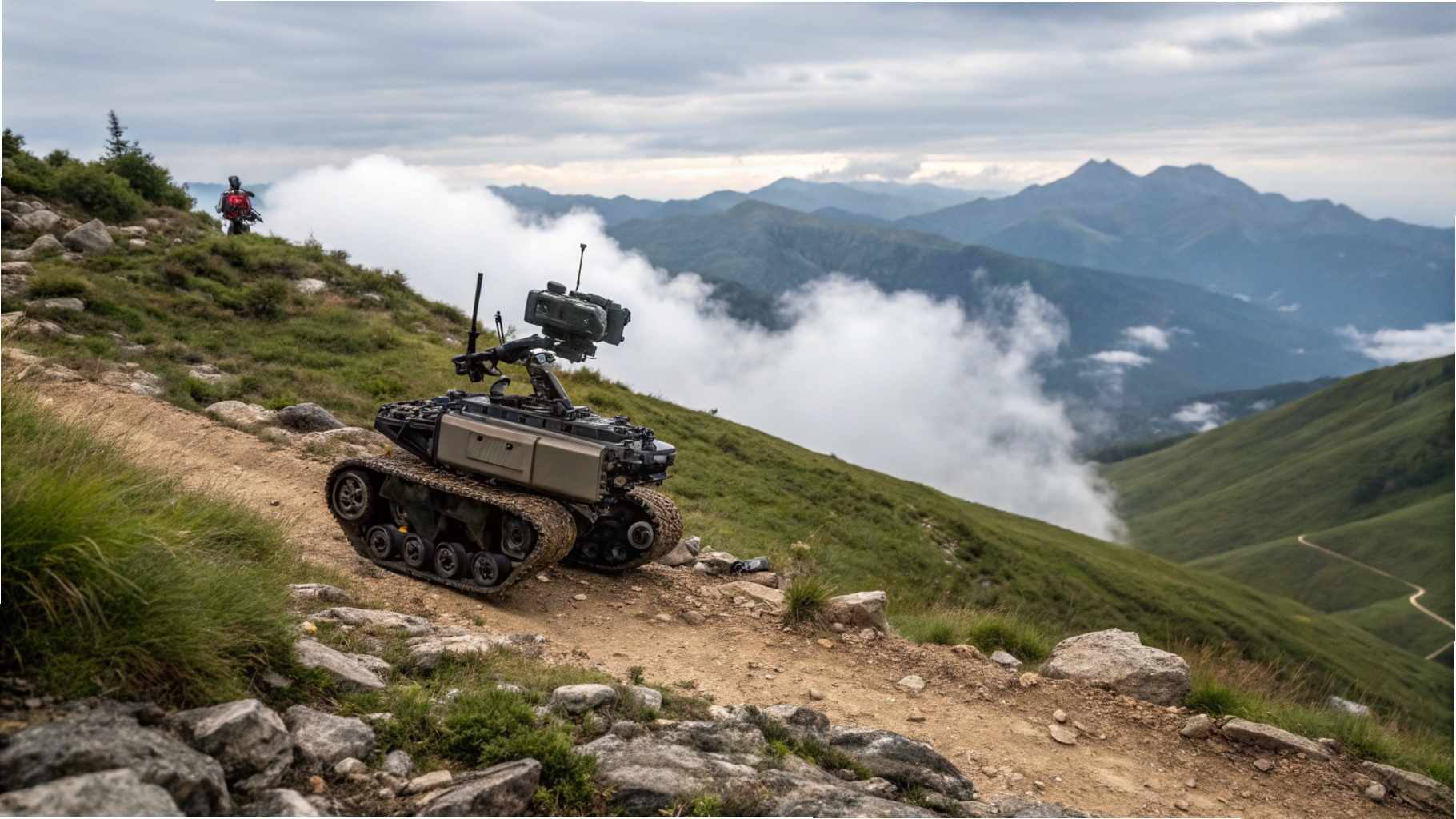
The portfolio features the tracked Vanguard, the RCWS-equipped Airawat 6×6, and lighter systems such as Pioneer and Scout, each fulfilling distinct operational roles within a unified battlefield ecosystem. This reflects a shift toward integrated, multi-domain warfare concepts where unmanned platforms operate collaboratively.
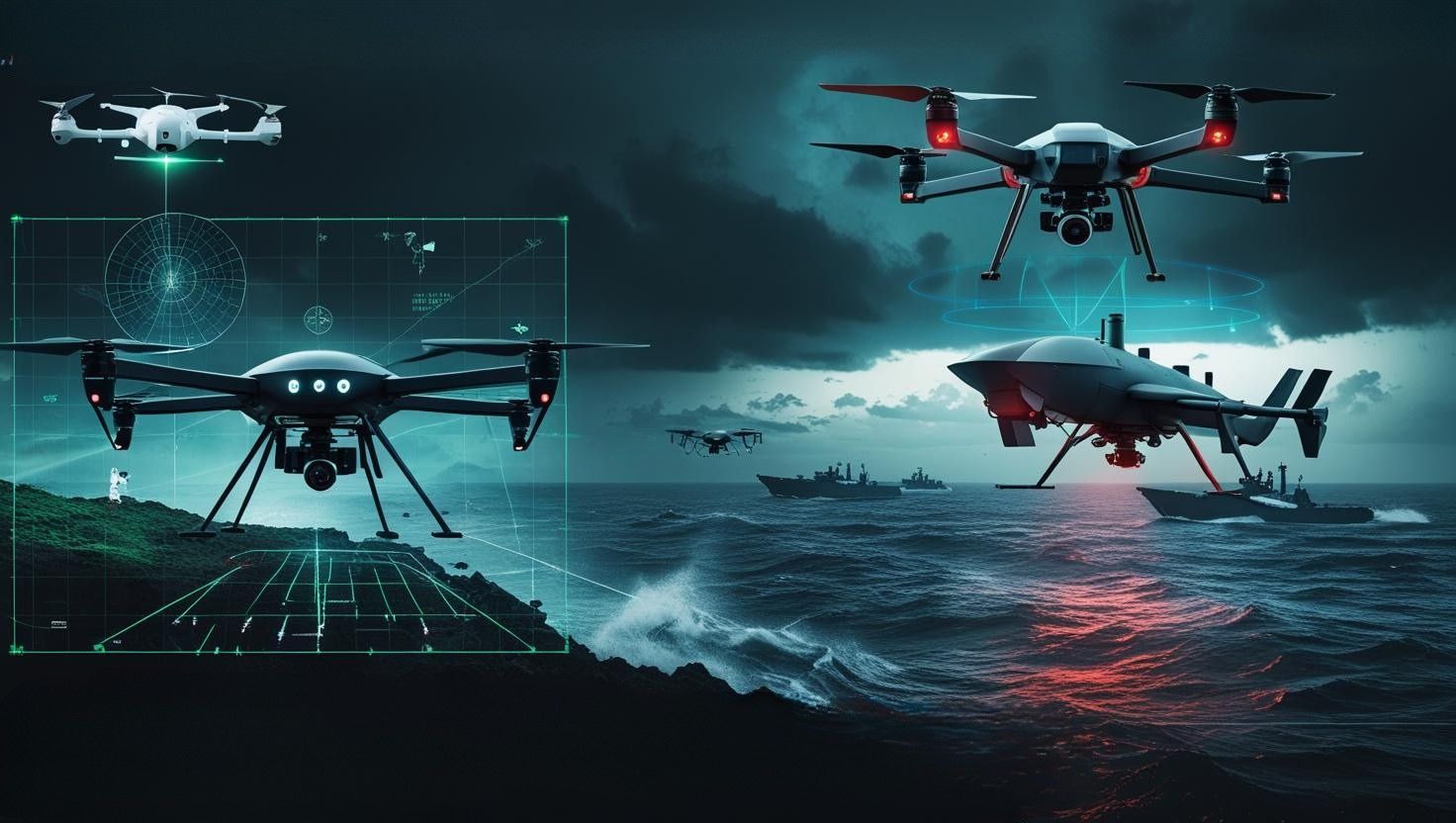
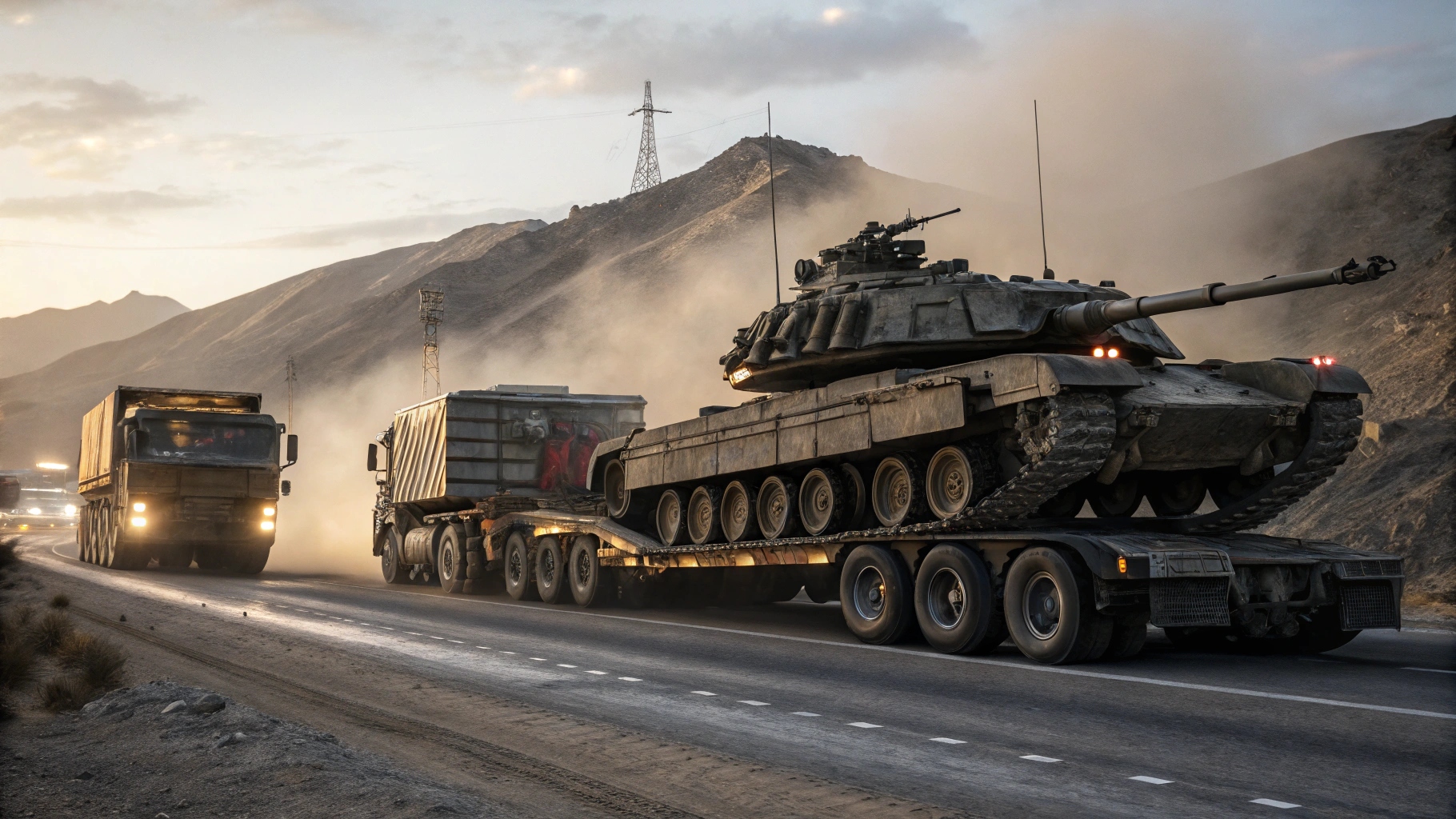
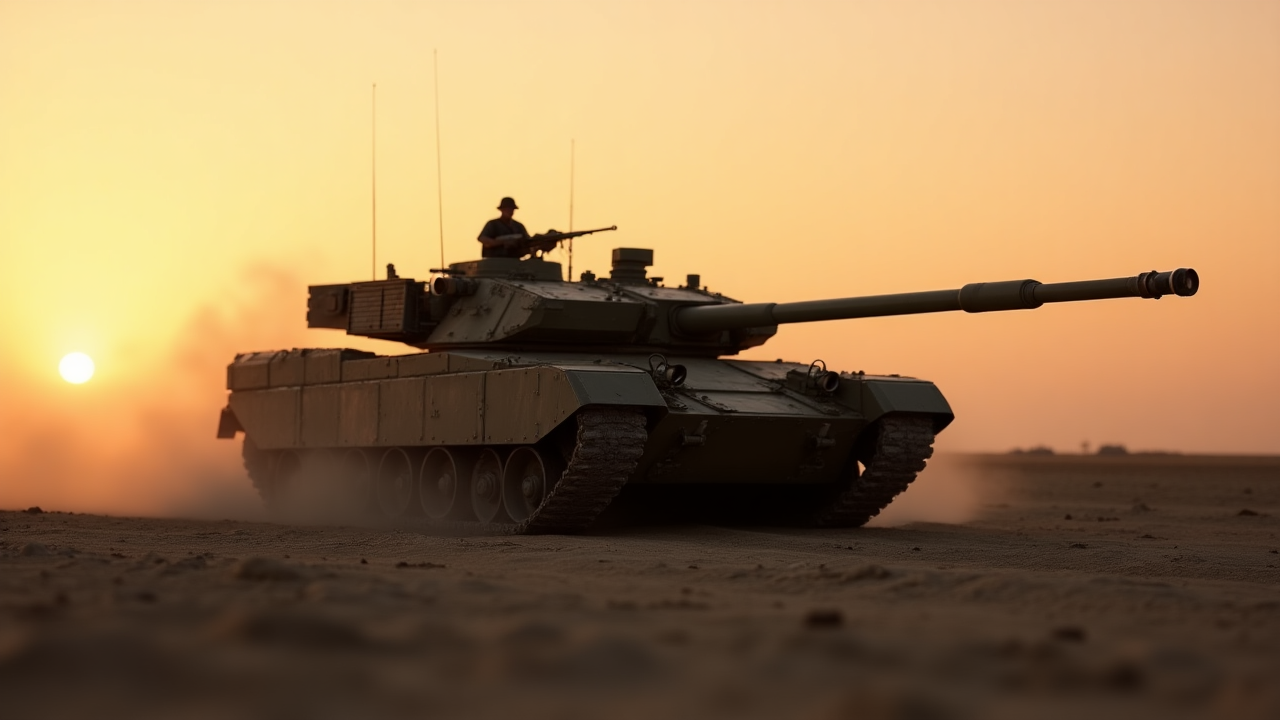
Vanguard is positioned as the core combat platform, designed for frontline engagements and capable of deploying Sheshnaag-20 loitering munitions for precision strikes. It is expected to work in tandem with the eSaras tethered aerial system, which provides continuous surveillance, targeting data, and communication support.
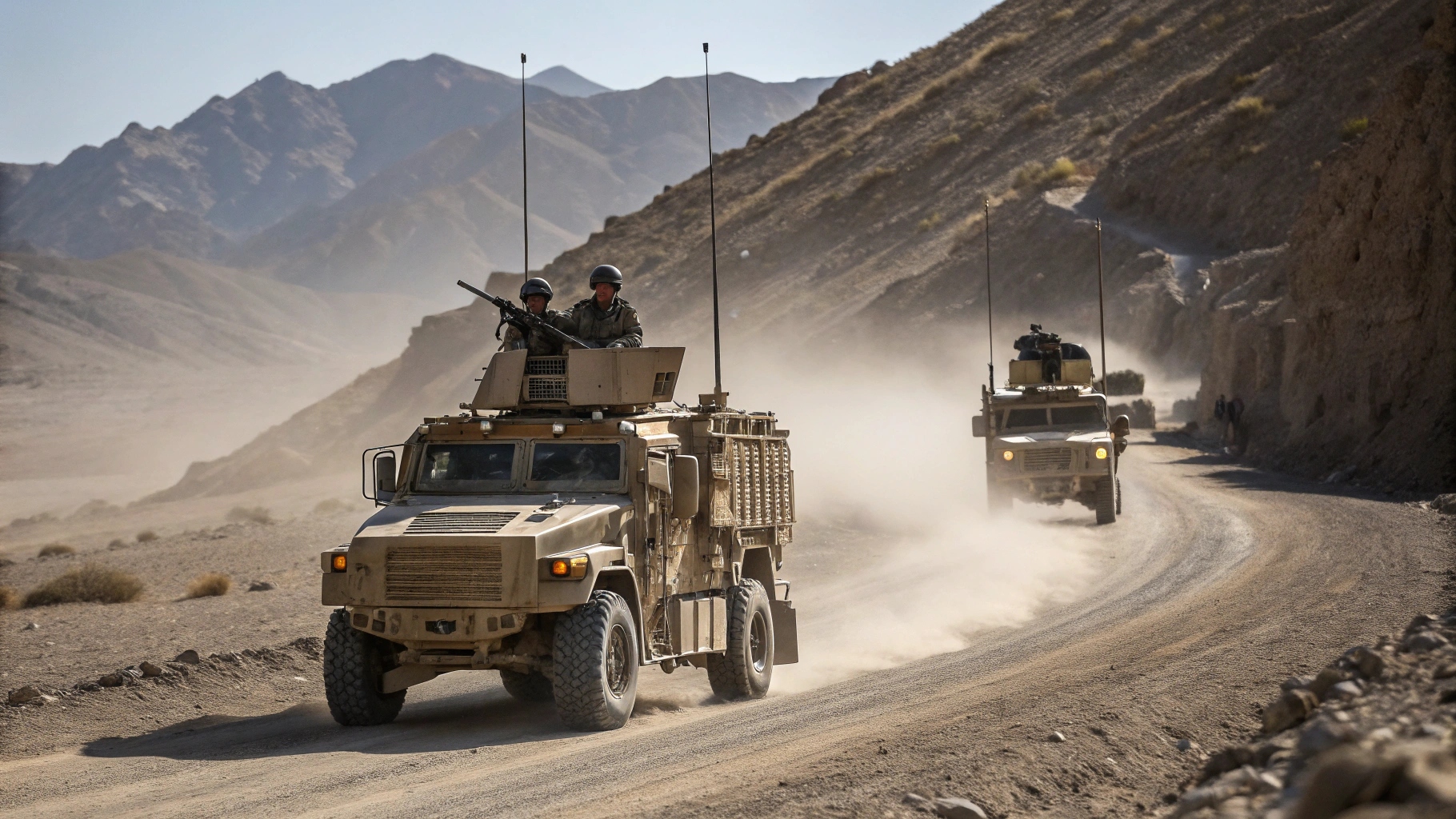
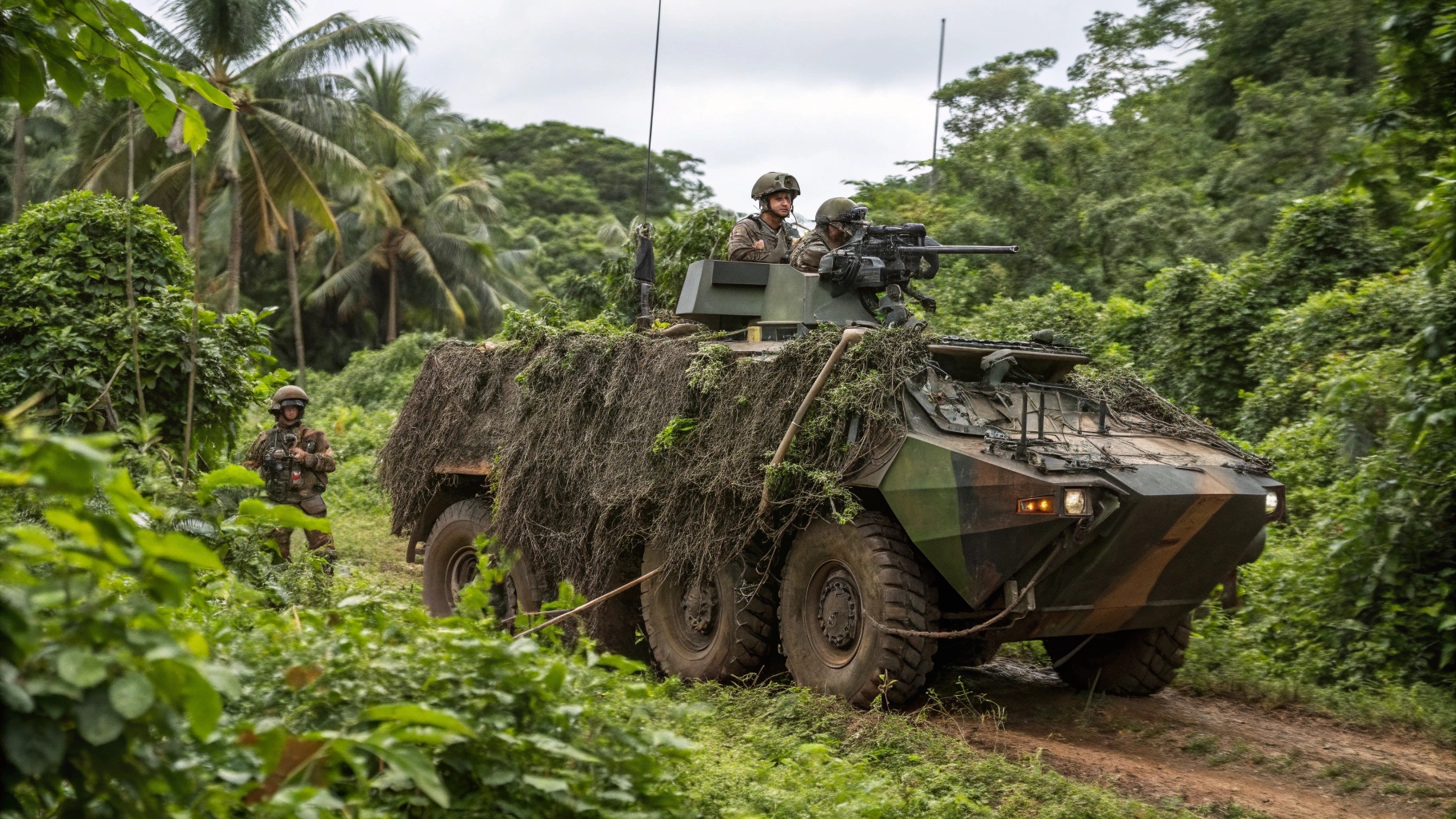
Airawat serves as a mobile fire support platform, combining maneuverability with direct-fire capability for roles such as convoy escort, defensive operations, and urban combat scenarios. Pioneer, on the other hand, is focused on electronic warfare, with jammer-equipped variants capable of disrupting enemy communications and drone operations.
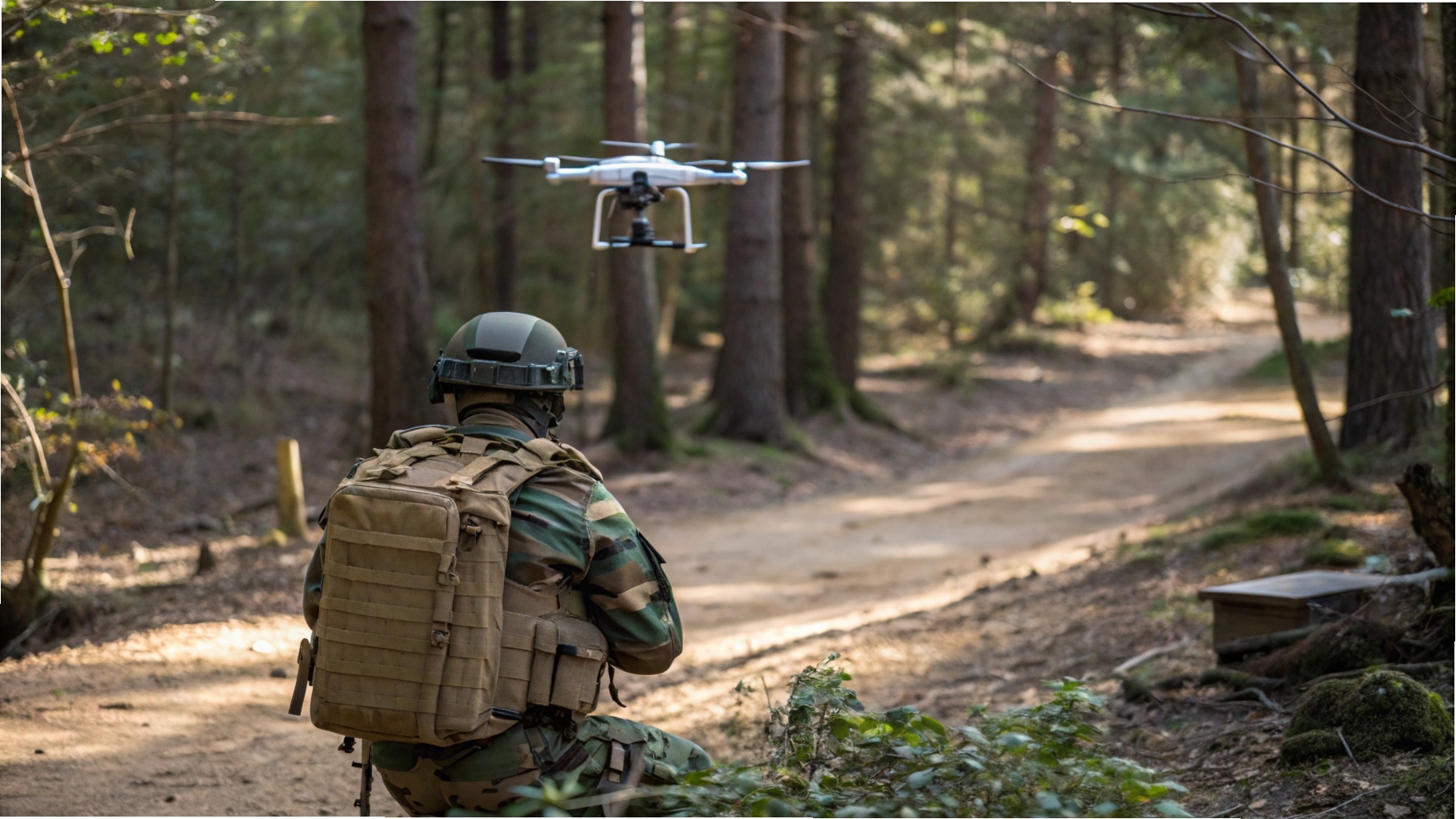
Scout operates at the forward edge, performing reconnaissance and detection missions with radar-enabled variants for early warning and battlefield awareness. It integrates with other forward assets, including quadruped robotic systems and the Nimbus aerial platform, forming a distributed sensor grid.
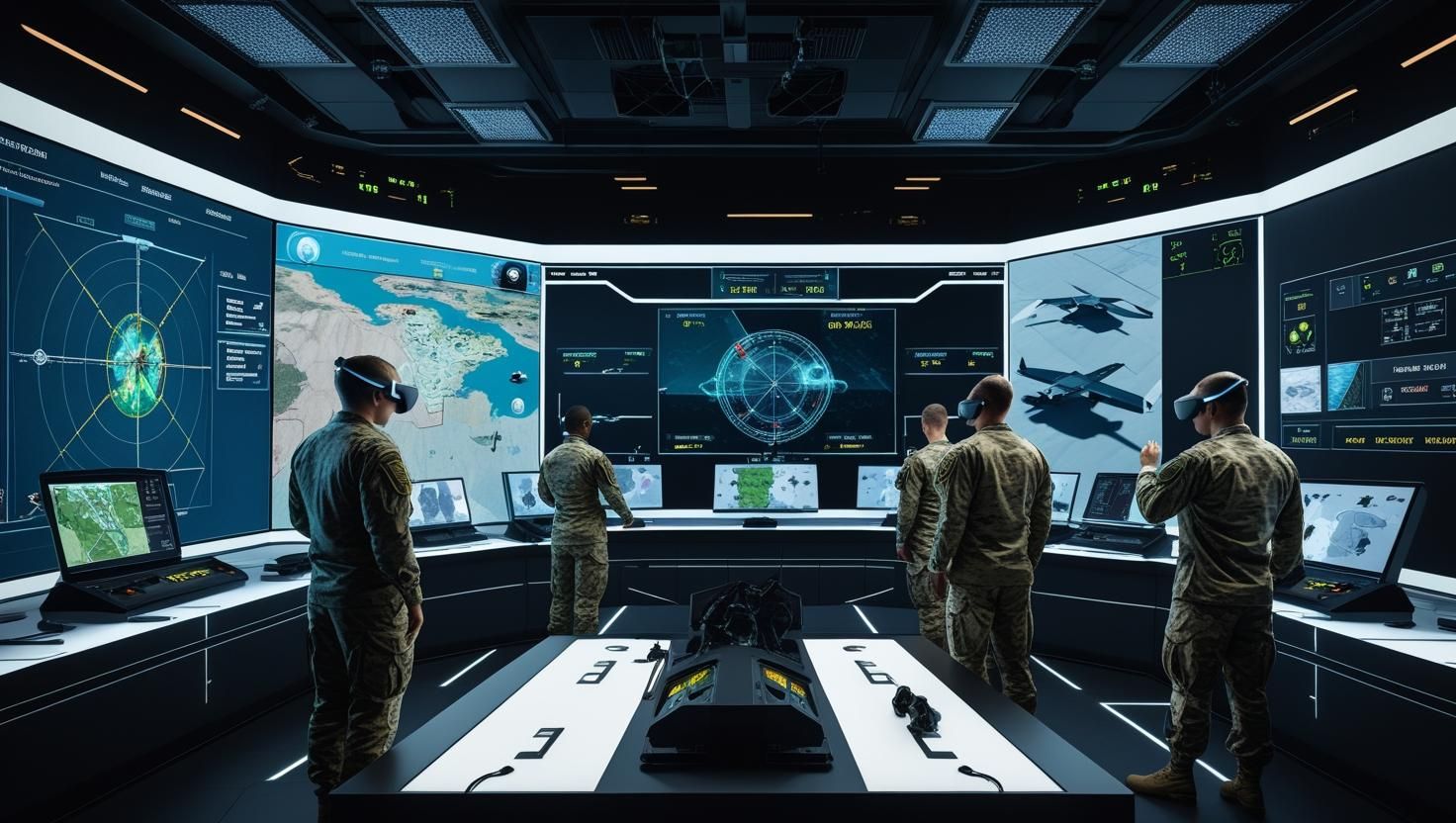
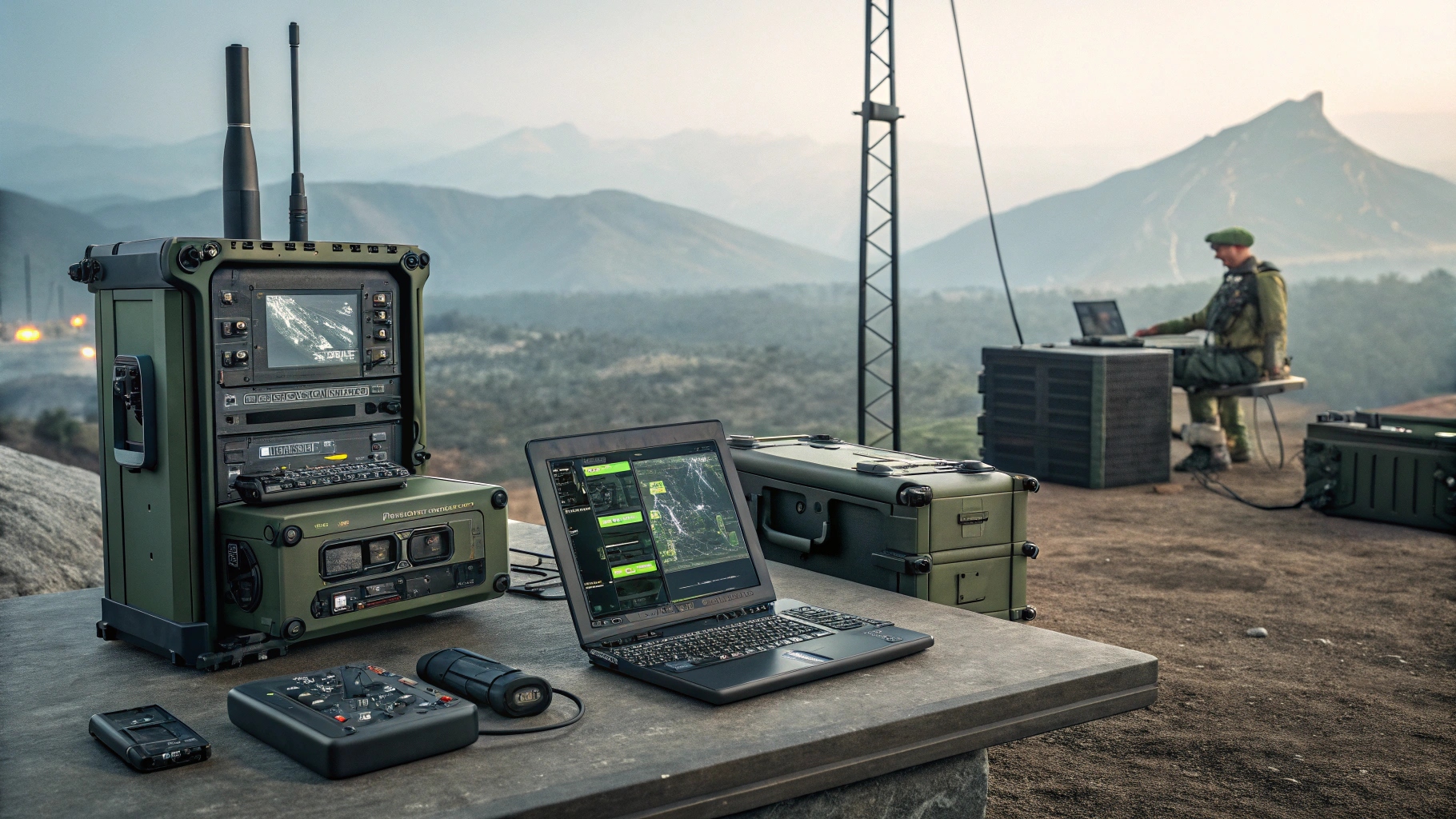
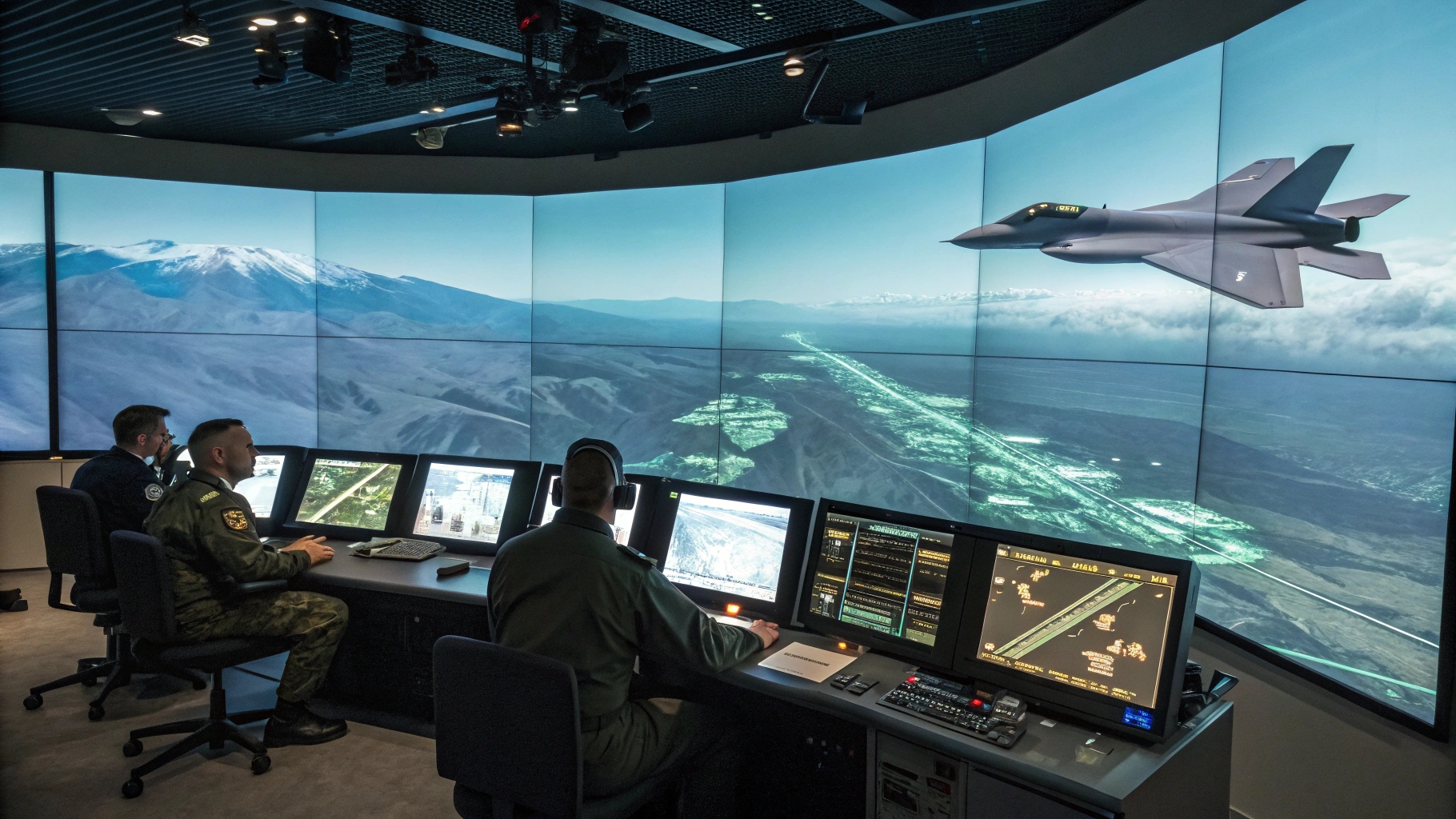
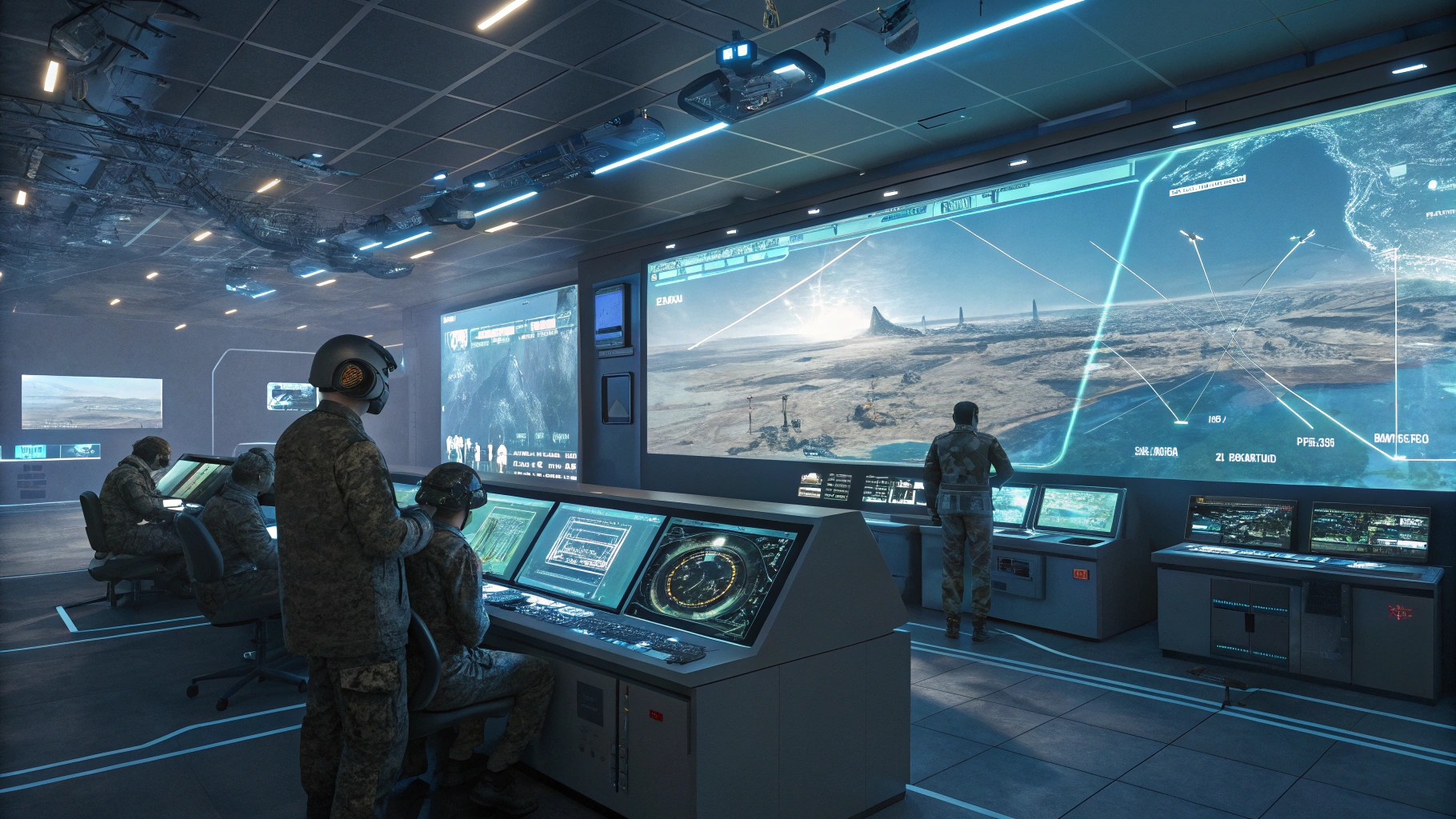
The concept of operations is structured into multiple layers: a forward detection layer for threat identification, a non-kinetic layer for electronic disruption, and a kinetic layer for precision engagement led by Vanguard systems. At the rear, a centralized Command and Control (C2) node manages coordination across all elements.
The deliberate spacing of 3–5 kilometers between layers ensures operational resilience, reducing exposure to enemy strikes while maintaining communication links and enabling synchronized, multi-layered combat operations.