
GTRE, a key DRDO facility based in Bengaluru, has completed the EOI phase for selecting a Development-cum-Production Partner for the Indigenous Advanced High Thrust Class Aero Engine (AHTCE) initiative. The submission deadline of March 26, 2026, has passed without extension, underscoring the strategic importance and urgency of the programme, with proposal evaluations already underway.
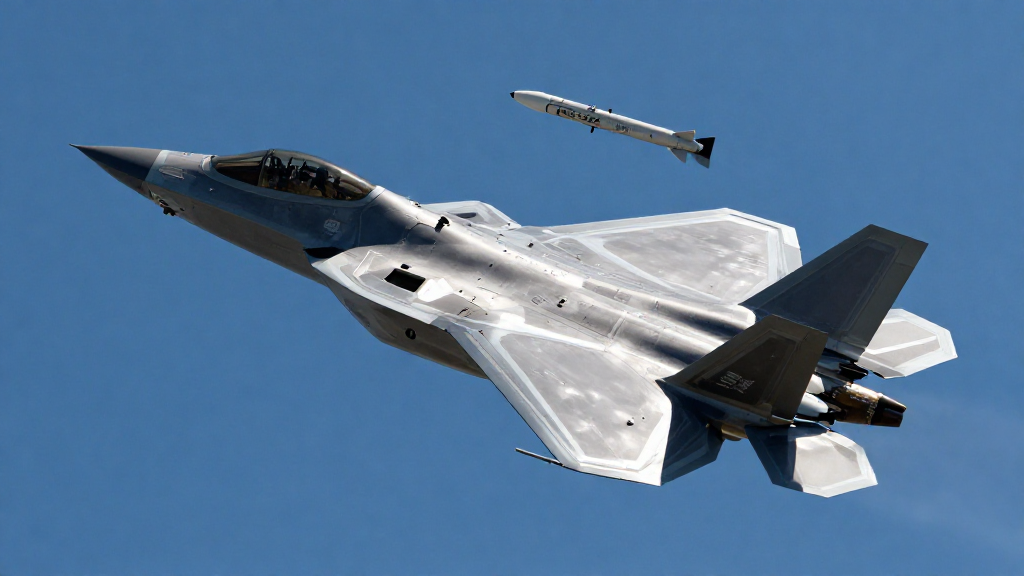
The AHTCE project is a critical step in reducing India’s dependence on foreign propulsion systems by developing a 120 kN thrust-class turbofan engine for next-generation combat aircraft, particularly the AMCA, along with potential applications in advanced unmanned platforms. After decades of reliance on imported engines such as the GE F404 and F414 and lessons learned from the Kaveri effort, the new programme seeks to deliver a high-performance indigenous solution in the 110–130 kN category, capable of supporting stealth fighters with supercruise, high manoeuvrability, and integrated advanced systems.
In this partnership model, GTRE will oversee design and core technology, while the selected industry partner will manage production engineering, large-scale manufacturing involving thousands of components, final assembly, and certification processes. The development roadmap includes building approximately 18 prototypes over 10 years, followed by series production of up to 200 engines. The initiative also prioritizes the creation of a robust domestic aerospace ecosystem, spanning materials science, high-precision manufacturing, and digital engine control systems, with stringent financial and capability requirements for participating firms.
Additionally, the programme leaves scope for international collaboration, with Safran emerging as a potential partner for co-development and advanced technology transfer. As GTRE evaluates submissions, the next steps will involve shortlisting candidates, detailed negotiations, and eventual partner selection, leading into a long-term development cycle aimed at achieving initial engine runs by around 2030 and full operational capability over the following decade.