
India’s upcoming HAL Tejas Mk2—officially categorized as a Medium Weight Fighter (MWF)—represents more than a simple upgrade within the Tejas family. Instead, it reflects a comprehensive structural and operational redesign, with endurance and long-term service life as key priorities.
Although the aircraft’s maiden flight is expected around mid-2026 and its officially certified airframe lifespan has yet to be finalized, modern 4.5-generation fighter aircraft typically target operational lifespans of around 6,000 to 8,000 flight hours. Program sources indicate that the Tejas Mk2 has been engineered with similar longevity goals in mind.
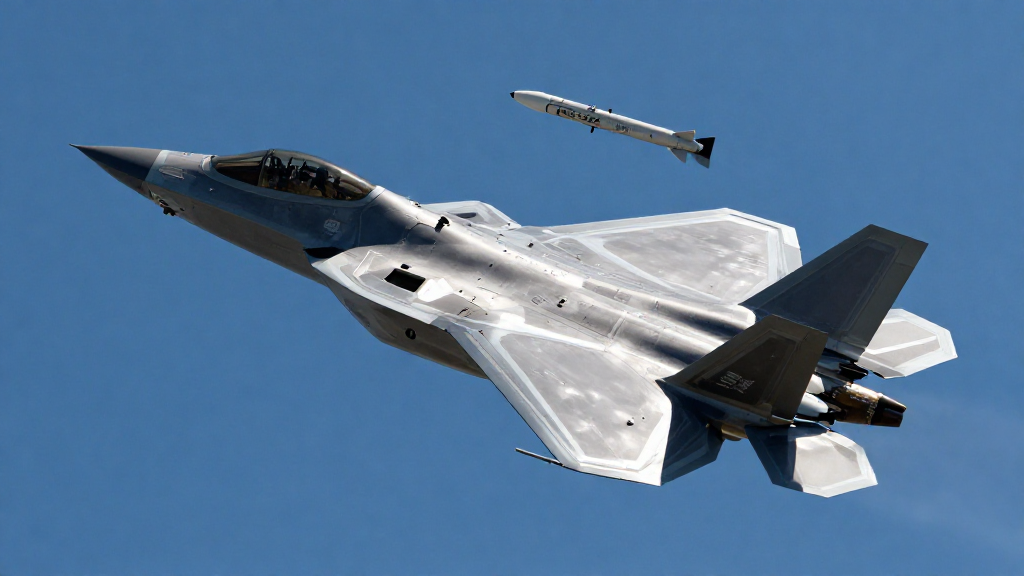
The Mk2 features a noticeably longer fuselage, measuring approximately 14.6 meters compared with the roughly 13.2–13.9 meters of the HAL Tejas Mk1A. This extension allows the aircraft to accommodate greater fuel capacity, additional avionics, and increased payload while maintaining proper center-of-gravity balance. The addition of close-coupled canards at the front enhances maneuverability, improves high-angle-of-attack performance, and reduces aerodynamic drag during demanding maneuvers. These features are not external additions but fundamental components of the aircraft’s design, supported by advanced composite manufacturing techniques that provide strength without significantly increasing weight.
According to officials familiar with the program, the Mk2 airframe incorporates improved composite fabrication processes compared to earlier Tejas variants. These materials are designed not only to reduce overall weight but also to improve fatigue resistance. Modern composite structures distribute stress more efficiently, resist corrosion, and retain structural rigidity throughout extended operational cycles.
As the prototype rollout approaches, the Tejas Mk2 is increasingly viewed as an important bridge platform for the Indian Air Force. It is expected to help fill the medium-weight fighter capability gap created by the gradual retirement of aircraft such as the Dassault Mirage 2000 and the SEPECAT Jaguar. With its extended airframe, canard-enhanced agility, and durable composite structure, the Mk2 is being designed to serve longer, deliver stronger combat performance, and evolve alongside India’s future operational requirements.