
Recent imagery has confirmed the deployment of a seventh U.S. Air Force MQ-9A Reaper drone operating from Rafael Hernández Airport in Aguadilla, Puerto Rico, further expanding persistent surveillance coverage across the Caribbean and near Venezuela. The development highlights Washington’s increasing dependence on unmanned aircraft to monitor drug trafficking routes and reinforce regional security operations.
The U.S. Air Force has quietly scaled up its unmanned aerial operations in the Caribbean, with the latest images revealing another MQ-9A Reaper based at the former military airfield in Aguadilla, commonly referred to as BQN. The location has long been viewed by U.S. defense planners as a strategically positioned forward operating site for intelligence, surveillance, and reconnaissance missions supporting counter-narcotics efforts across the Caribbean basin and adjacent maritime corridors.
The newly deployed Reaper was observed launching from the western Puerto Rican airfield earlier this week and is now part of a growing fleet supporting U.S. Southern Command’s Joint Interagency Task Force South. This expansion aligns with intensified surveillance and interdiction operations targeting key maritime drug-smuggling routes from South America through the Caribbean toward Central America and the United States. The increased use of MQ-9As reflects a broader shift toward persistent, unmanned ISR as a central tool in regional security operations.
Observers in the region have reported a noticeable increase in MQ-9A flight activity over the Mona Passage and deeper into the southern Caribbean, with some flight paths approaching Venezuelan airspace while remaining in international airspace. Defense analysts point to the Reaper’s endurance and sensor suite as particularly well suited to an operating environment where sustained coverage is essential and manned patrols are resource-intensive.
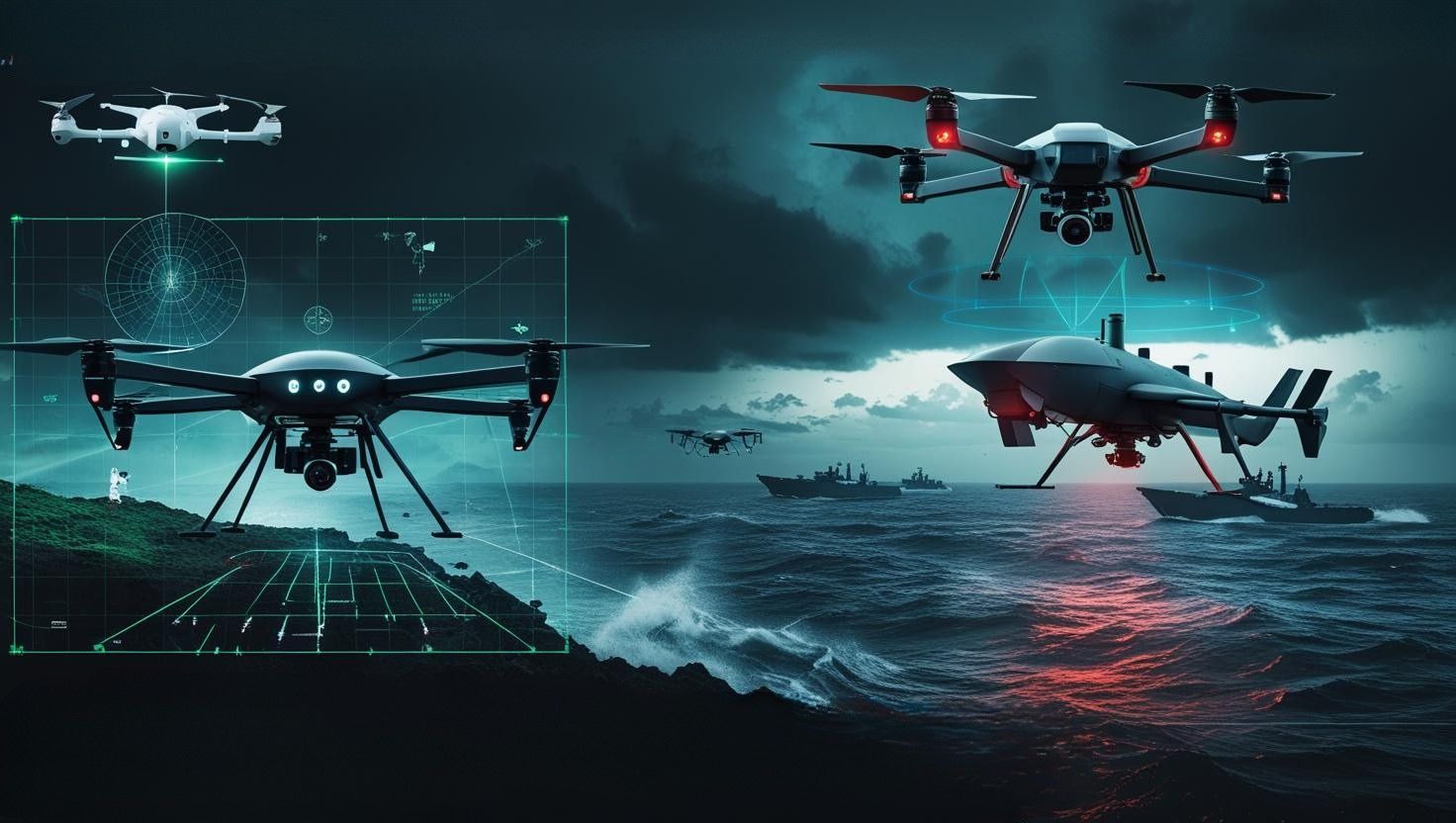
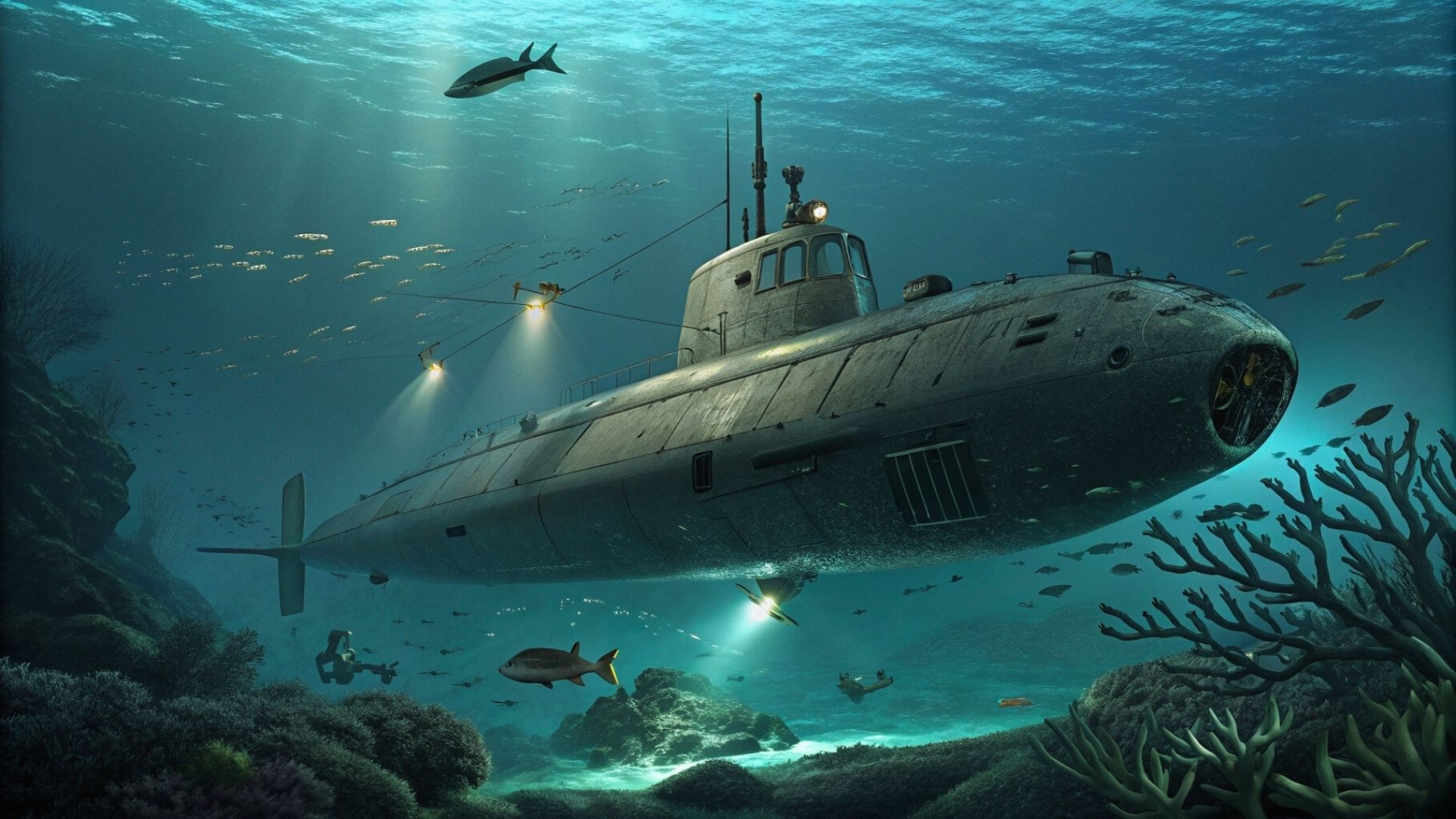
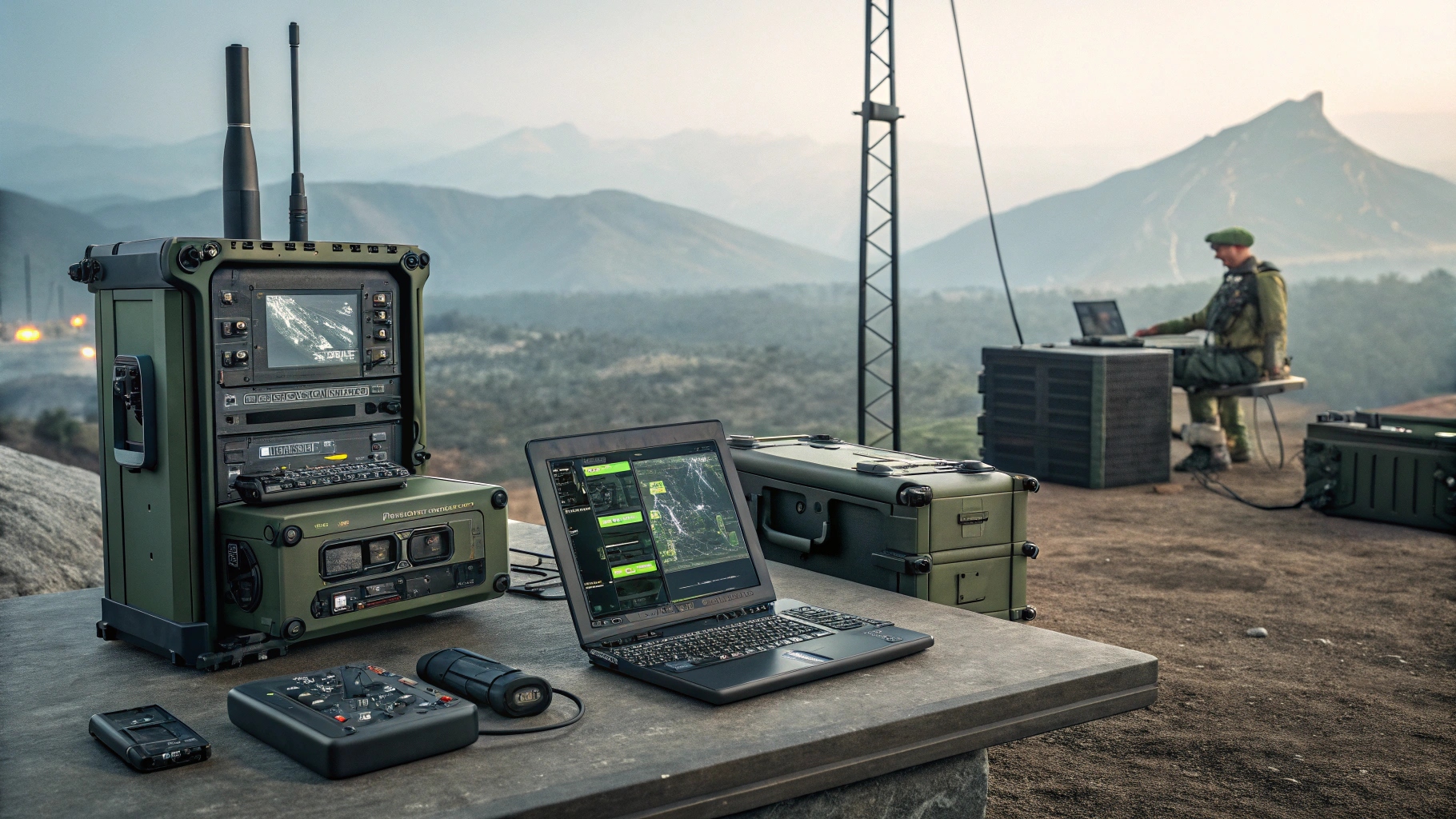
The MQ-9As operating from Aguadilla are understood to be equipped with full-motion video and synthetic-aperture radar tailored for maritime domain awareness, allowing U.S. and partner naval forces to identify and track small, low-signature vessels such as narco-submarines and high-speed boats. Although U.S. officials have not confirmed the total number of UAVs deployed to Puerto Rico, the appearance of a seventh Reaper marks a clear increase in unmanned assets assigned to the mission.
Defense sources note that Aguadilla’s location provides rapid access to key maritime chokepoints in the southern Caribbean and eastern Pacific, making it an ideal launch point for persistent ISR operations. By relying more heavily on MQ-9A Reapers, the U.S. military is able to preserve scarce P-8 Poseidon aircraft and Coast Guard platforms for wider patrol and response roles while maintaining continuous surveillance with a relatively small footprint.