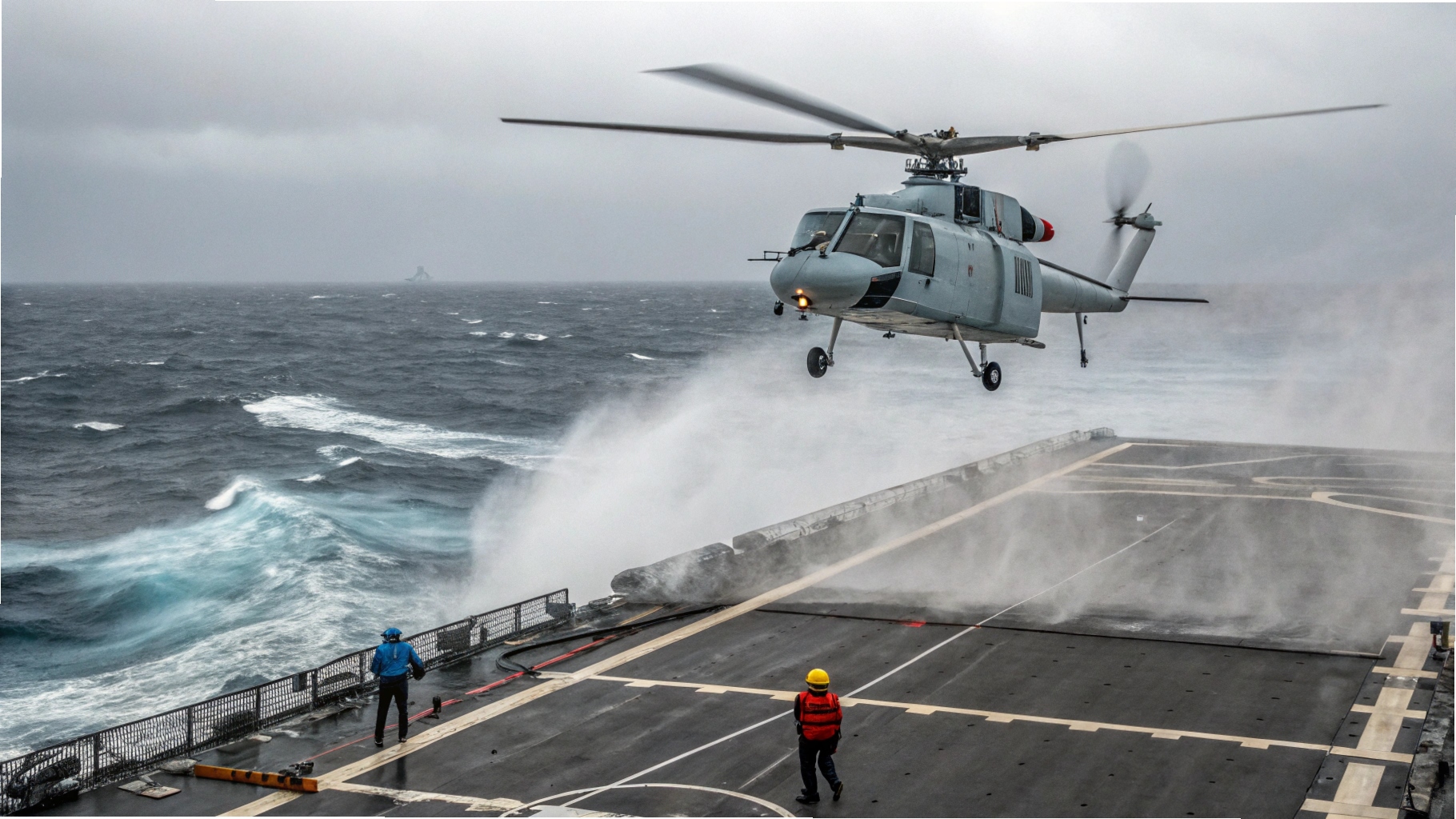

Two additional CH-53K King Stallion heavy-lift helicopters have been delivered to the U.S. Marine Corps by Sikorsky after completing formal acceptance testing by Navy and Marine Corps authorities. The delivery marks continued progress in the gradual retirement of the legacy CH-53E Super Stallion fleet and its replacement with a more powerful and survivable heavy-lift platform.
Sikorsky, part of Lockheed Martin, confirmed on January 28, 2026, that the aircraft were handed over following a standard evaluation and acceptance process carried out by U.S. naval test organizations. According to company statements, the procedures mirror those applied to all CH-53K production aircraft manufactured in the United States, ensuring consistency as the fleet expands and operational units receive additional helicopters.
The transfer is linked to the multi-year production contract awarded in April 2023 by the U.S. Navy acting for the Marine Corps. That agreement formally transitioned the CH-53K program into sustained production and supports the Marine Corps’ requirement for 200 aircraft to fully recapitalize its heavy-lift capability. Program documentation shows the contract emphasizes cost control, industrial base stability, and the integration of design improvements aimed at boosting reliability and ease of maintenance based on early operational experience.
While retaining the external profile of the CH-53 family, the King Stallion is almost entirely new in its internal design. The helicopter incorporates a strengthened composite airframe, a wider and taller cargo cabin suited to modern vehicles and payloads, and a digital fly-by-wire control system. Power is supplied by three GE T408-GE-400 engines producing 7,500 shp each, coupled to an advanced split-torque gearbox designed to transmit significantly higher power than previous-generation helicopters.
This configuration allows the CH-53K to carry external loads of more than 27,000 pounds in demanding hot-and-high conditions typical of expeditionary operations, defined by the Marine Corps as 3,000 feet pressure altitude and 33°C ambient temperature. The aircraft’s ceiling of around 16,000 feet under standard conditions—and roughly 13,200 feet at elevated temperatures—illustrates the margin built into the platform to support operations in challenging environments.
From an operational standpoint, the CH-53K is a critical enabler for Marine Corps expeditionary warfare. Heavy-lift helicopters are essential for moving combat power from amphibious ships to shore, sustaining dispersed forces, and repositioning units rapidly across complex terrain. By restoring and expanding this capability, the King Stallion underpins the Marine Corps’ ability to maintain tempo, flexibility, and reach during both contingency operations and large-scale conflict.