
Canadian defense officials are visiting South Korea as Ottawa accelerates the Canadian Patrol Submarine Project (CPSP), a major naval modernization effort valued at around USD 45 billion. The engagement suggests Canada has entered a critical phase of its submarine replacement program, with decisions taken in the coming years likely to define its undersea warfare posture and industrial relationships well into the future.
As part of this push, Canada has expanded senior-level dialogue with South Korea, whose submarine industry is emerging as a serious contender in the CPSP competition. Stephen Poirier, Canada’s Minister of National Defence Procurement, is expected to tour leading South Korean shipyards to examine construction capabilities and evaluate options for technology transfer and domestic industrial participation. Industry analysts see the visit as a form of final due diligence as Canada moves toward narrowing the field ahead of binding proposals.
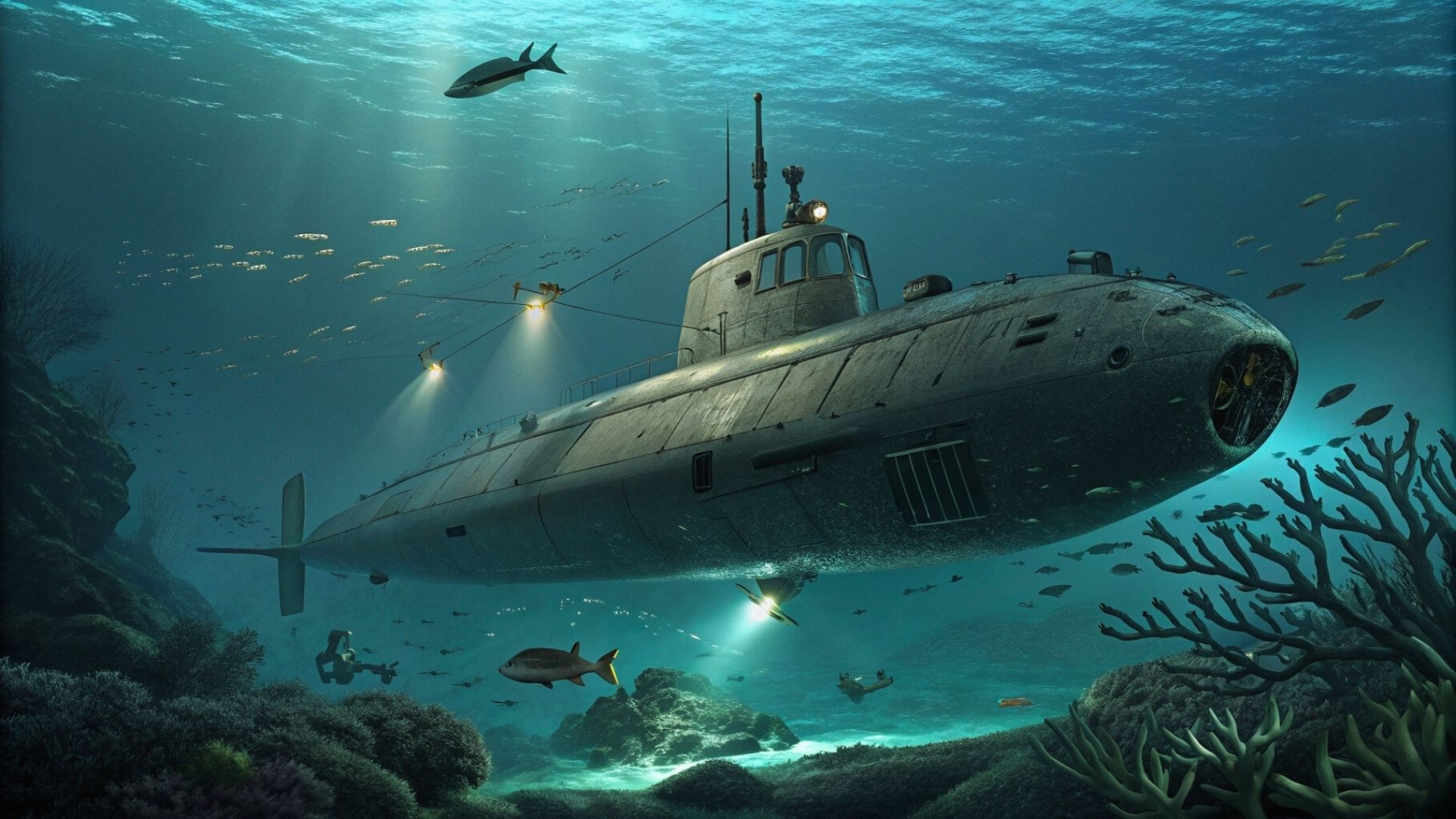
The urgency behind the CPSP stems from the limitations of Canada’s existing submarine force. The Royal Canadian Navy operates four Victoria-class diesel-electric submarines purchased second-hand from the United Kingdom more than two decades ago. While the boats—Victoria, Windsor, Chicoutimi, and Corner Brook—have undergone incremental upgrades, their age, maintenance burden, and constrained industrial support base have resulted in persistent readiness challenges. In practice, Canada frequently struggles to keep more than one submarine fully operational, sharply restricting patrol coverage, crew training, and allied tasking.
Operationally, the Victoria-class is increasingly misaligned with Canada’s strategic requirements. Built around Cold War design philosophies, the submarines lack the endurance, modernization headroom, and digital integration needed for prolonged deployments across Canada’s Atlantic, Pacific, and Arctic approaches. The Arctic dimension is particularly significant, as reduced ice coverage and growing foreign naval presence have heightened the demand for discreet undersea platforms capable of surveillance, intelligence gathering, and deterrence. For Ottawa, submarines are among the few assets able to assert sovereignty and provide early warning in these remote regions.
The CPSP aims to address these gaps through the acquisition of up to 12 new conventionally powered submarines. This fleet size is intended to guarantee continuous availability rather than sporadic deployments, enabling sustained operations on both coasts while maintaining an Arctic surveillance presence. The future submarines are expected to prioritize long-range endurance, extremely low acoustic signatures, and advanced sensor and combat management systems optimized for anti-submarine and anti-surface warfare, with seamless interoperability across U.S. and NATO maritime networks.
Within this framework, South Korea’s KSS-III Batch-II design has drawn particular attention. As South Korea’s first domestically developed ocean-going attack submarine, the KSS-III represents a major step beyond earlier licensed or derivative designs. The Batch-II variant, displacing around 3,600 tons submerged, is tailored for extended blue-water operations rather than littoral missions, closely matching Canada’s need for long-duration patrols over vast distances. Its refined hull form and advanced acoustic suppression measures are designed to minimize detectability, a critical requirement for survivability and effectiveness in modern undersea warfare.