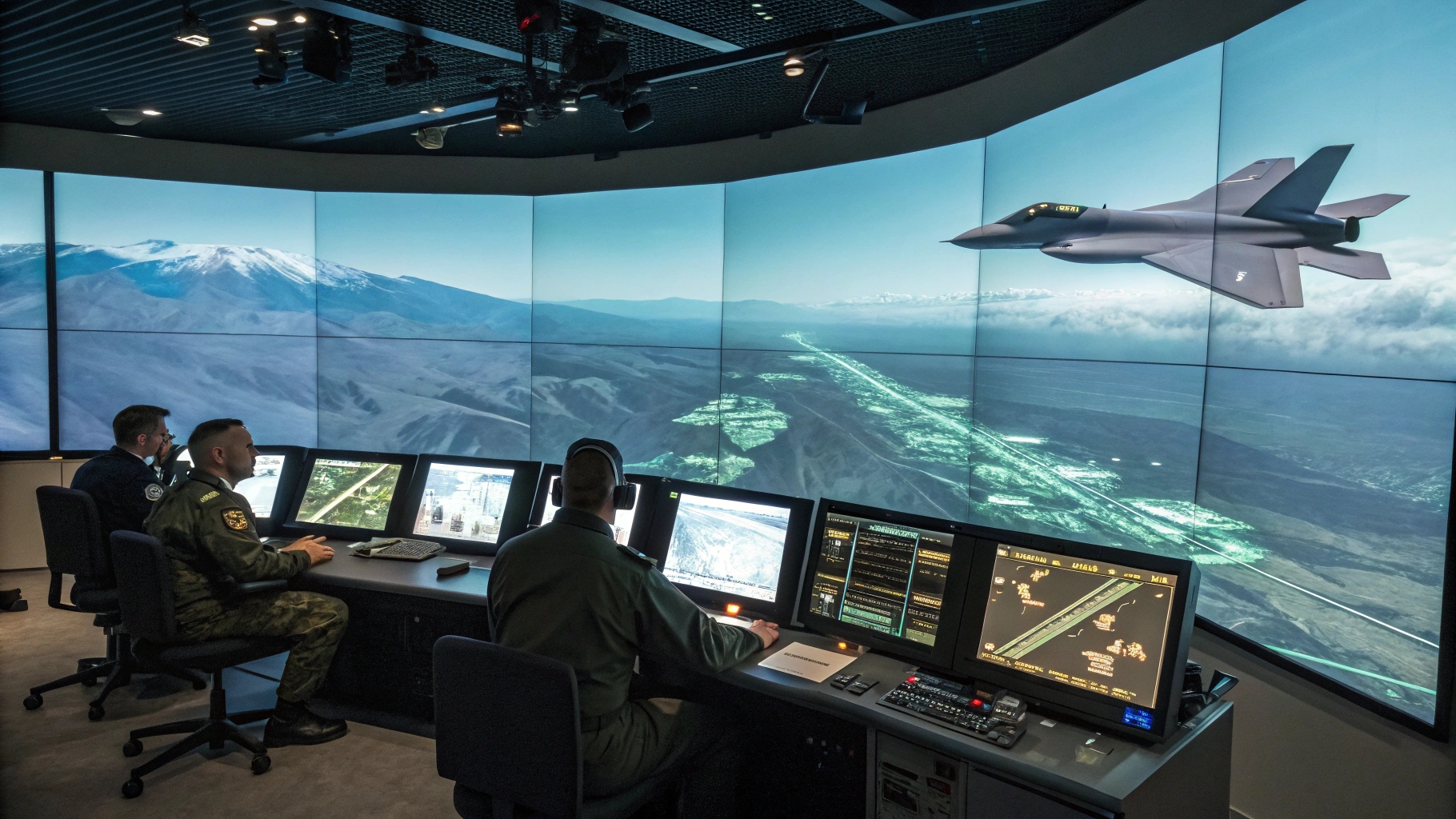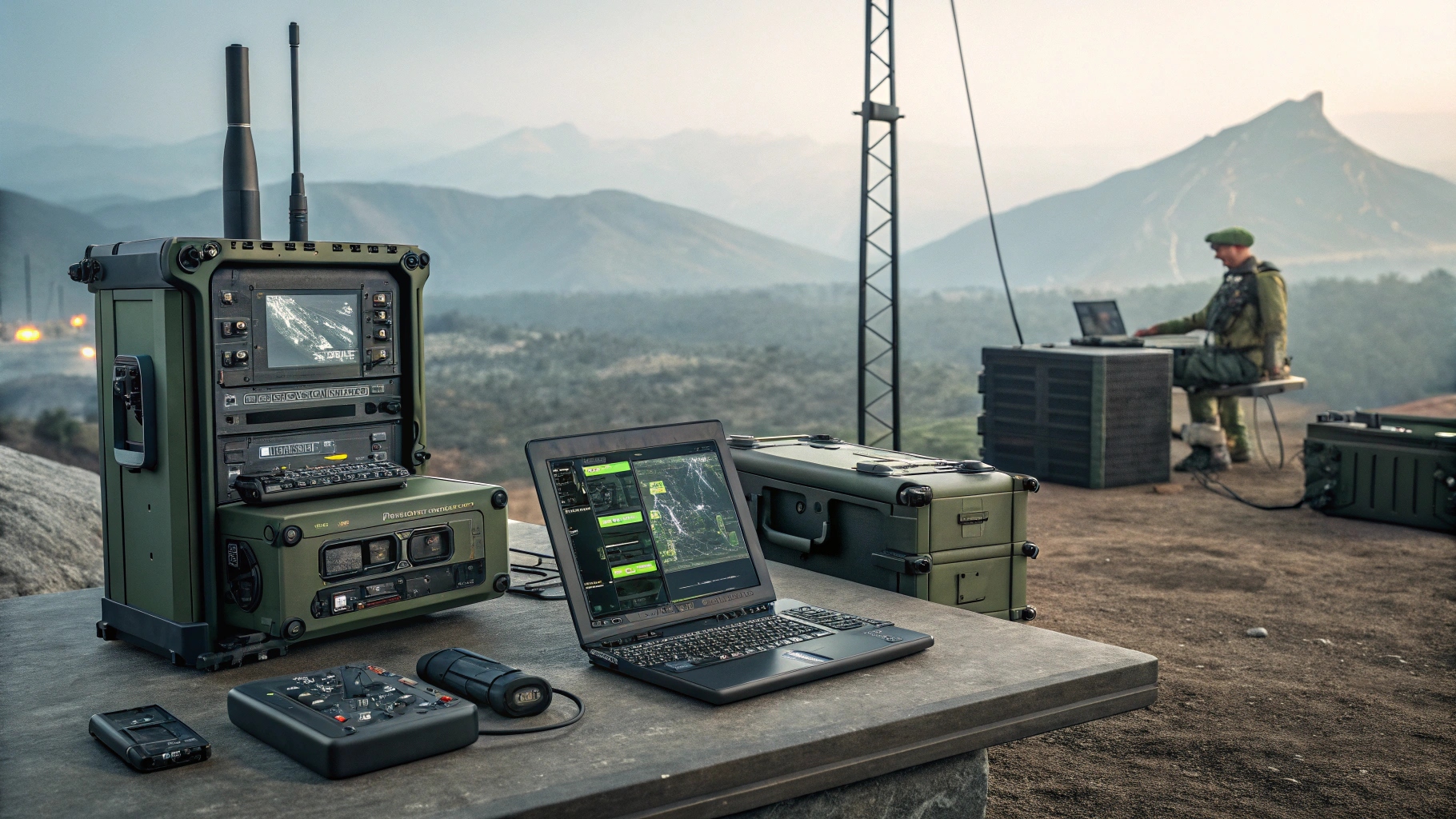

RTX BBN Technologies is leading a collaborative program aimed at enabling seamless spectrum sharing between 5G networks and mission-critical military radar systems.
The Advanced Spectrum Coexistence Demonstration, sponsored by the United States Department of Defense and the National Spectrum Consortium, seeks to modernize spectrum management by shifting from manual coordination to automated, real-time conflict detection and mitigation.
Current interference-resolution processes can take tens of minutes, posing operational risks to both commercial and defense users. Under Phase One, the BBN-led team will create a predictive spectrum management tool capable of detecting radar transmissions and rerouting 5G data traffic within seconds to avoid overlap.
Subsequent phases will introduce a self-regulating architecture that automatically applies policy rules to maximize spectrum efficiency. The project targets measurable performance gains, including a 50 percent boost in usable 5G bandwidth, a 20-decibel reduction in radar interference, and a thousand-fold improvement in 5G link reliability during simultaneous operation.
Development and validation efforts will occur across multiple US states, including Massachusetts, Texas, Virginia, and Indiana.
The program draws on expertise from across industry and academia. Raytheon will supply operational radar inputs and testing infrastructure, while Ericsson Federal Technologies Group provides 5G systems knowledge. Signal Processing Technologies and Novowi contribute machine learning-enabled interference detection, Federated Wireless handles dynamic spectrum coordination, and Purdue University supports predictive modeling development.
The initiative reflects a wider US government push to balance commercial spectrum growth with defense readiness. In 2025, InterDigital was contracted to explore advanced coexistence technologies for civil and military networks. Meanwhile, the 2024 Spectrum Collaboration Challenge led by DARPA showcased the potential of AI-driven spectrum management to reduce downtime and enhance performance across congested bands.