
Navantia is seeking to cement a long-term industrial partnership with Denmark as the country prepares for its next phase of naval acquisitions. The Spanish shipbuilder unveiled its cooperation proposal during the visit of the Spanish Navy’s newest frigate to Copenhagen.
According to Navantia, it stands ready to support Danish naval programs with platform deliveries beginning in 2030. The proposed framework prioritizes collaboration with Danish industry, long-term sustainment solutions, and training packages delivered in coordination with the Spanish Navy.
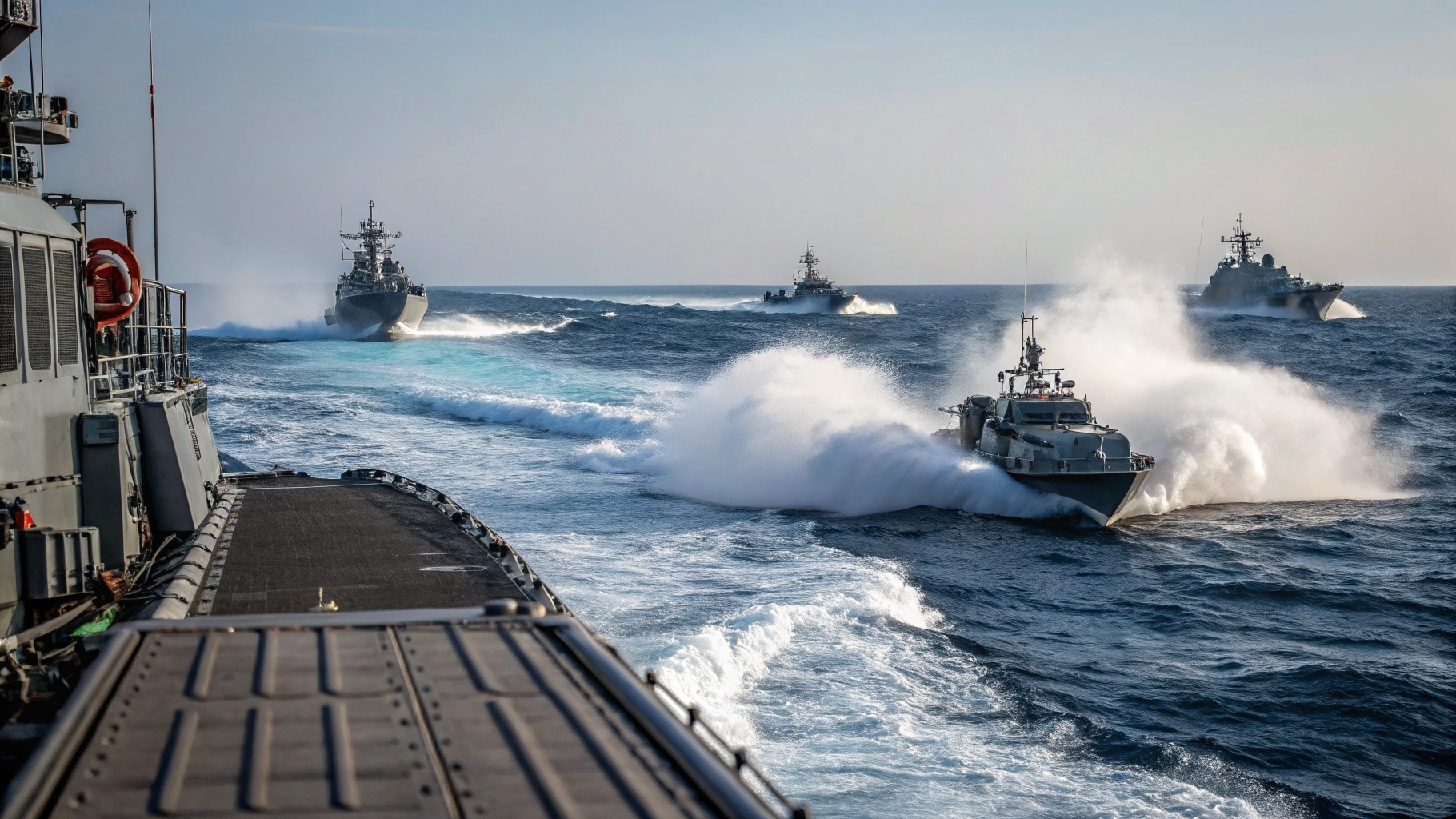
The announcement coincided with the presence of the frigate F105 in Denmark while participating in NATO’s Steadfast Dart 26 exercise in the Baltic Sea.
The visit served as a live demonstration of Navantia’s advanced surface warfare capabilities. As the most modern vessel in the F100 Álvaro de Bazán-class, the F105 is widely recognized as one of NATO’s most capable air defense frigates.
Navantia emphasized that its Danish proposal builds upon extensive international program experience, including technology transfers and industrial cooperation models first implemented during its landmark export project in Australia in 2007.
Denmark Strengthens Maritime Capabilities
Denmark has been actively upgrading its naval forces through substantial defense contracts.
In March 2025, the Danish government awarded a 2.1-billion-kroner ($306 million) contract to Kongsberg Defence & Aerospace for the acquisition of Naval Strike Missiles to arm its Iver Huitfeldt-class frigates, replacing legacy Harpoon missiles transferred to Ukraine.
The agreement was intended to expand Denmark’s precision strike reach and ensure continued alignment with NATO standards.
Subsequently, in December 2025, Denmark signed an additional contract valued at over 100 million euros ($117 million) with Kongsberg for a Coastal Defence System based on the NSM.
The system—featuring mobile launchers, advanced fire-control solutions, and integrated sensor networks—significantly strengthens Denmark’s ability to safeguard strategic maritime chokepoints, including the Danish Straits and parts of the western Baltic Sea.