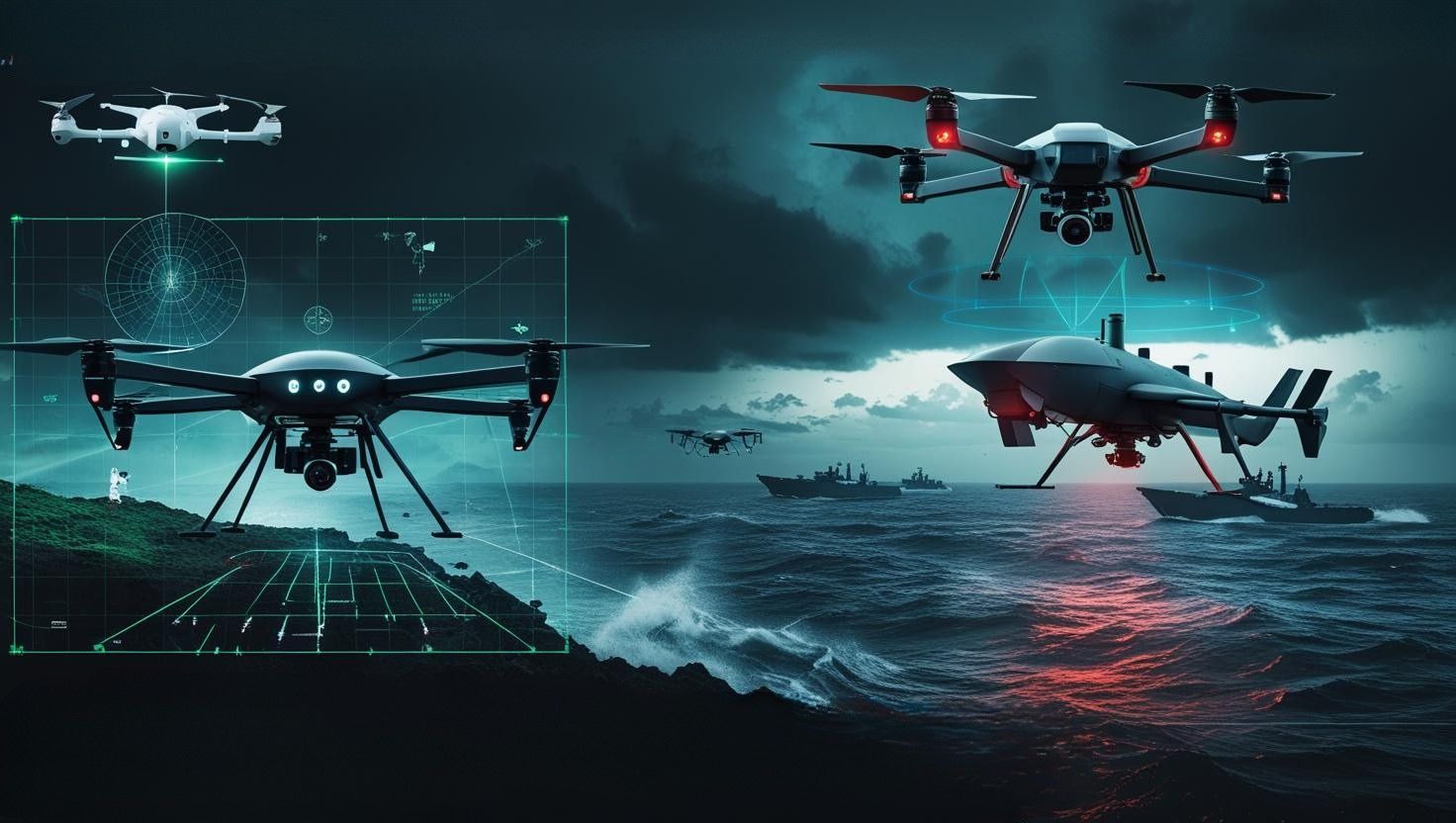

L3Harris Technologies’ Red Wolf launched-effect vehicle has been selected by the US Department of the Navy for the US Marine Corps’ Precision Attack Strike Munition programme, providing rotary-wing platforms with a substantial increase in operational range and survivability.
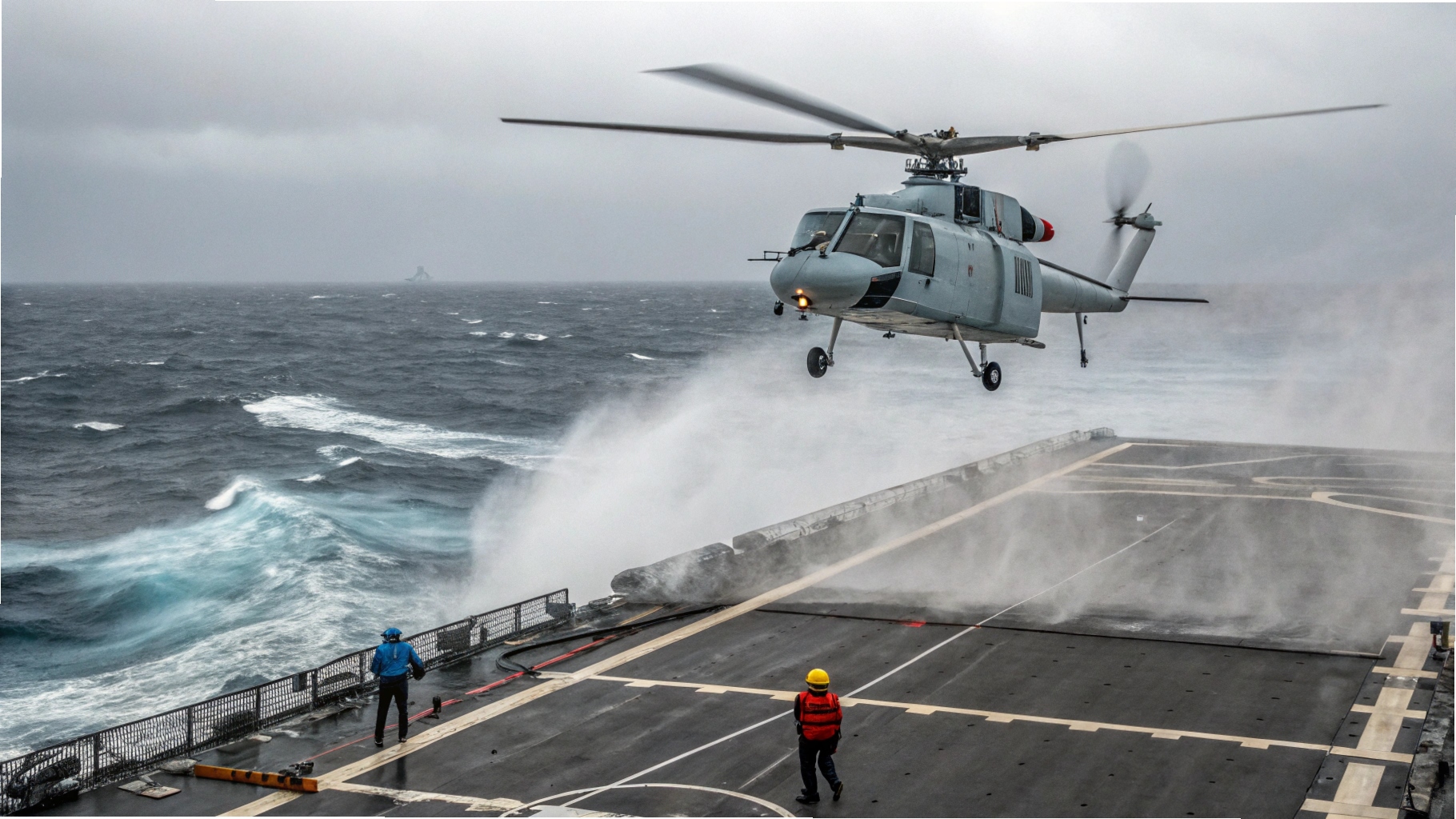
The decision comes after a rigorous test campaign encompassing 52 flight trials, including recent low-altitude firings from the AH-1Z Viper helicopter.
The contract was issued through an Other Transaction Agreement, a procurement mechanism designed to speed up development, testing, and fielding of emerging capabilities.
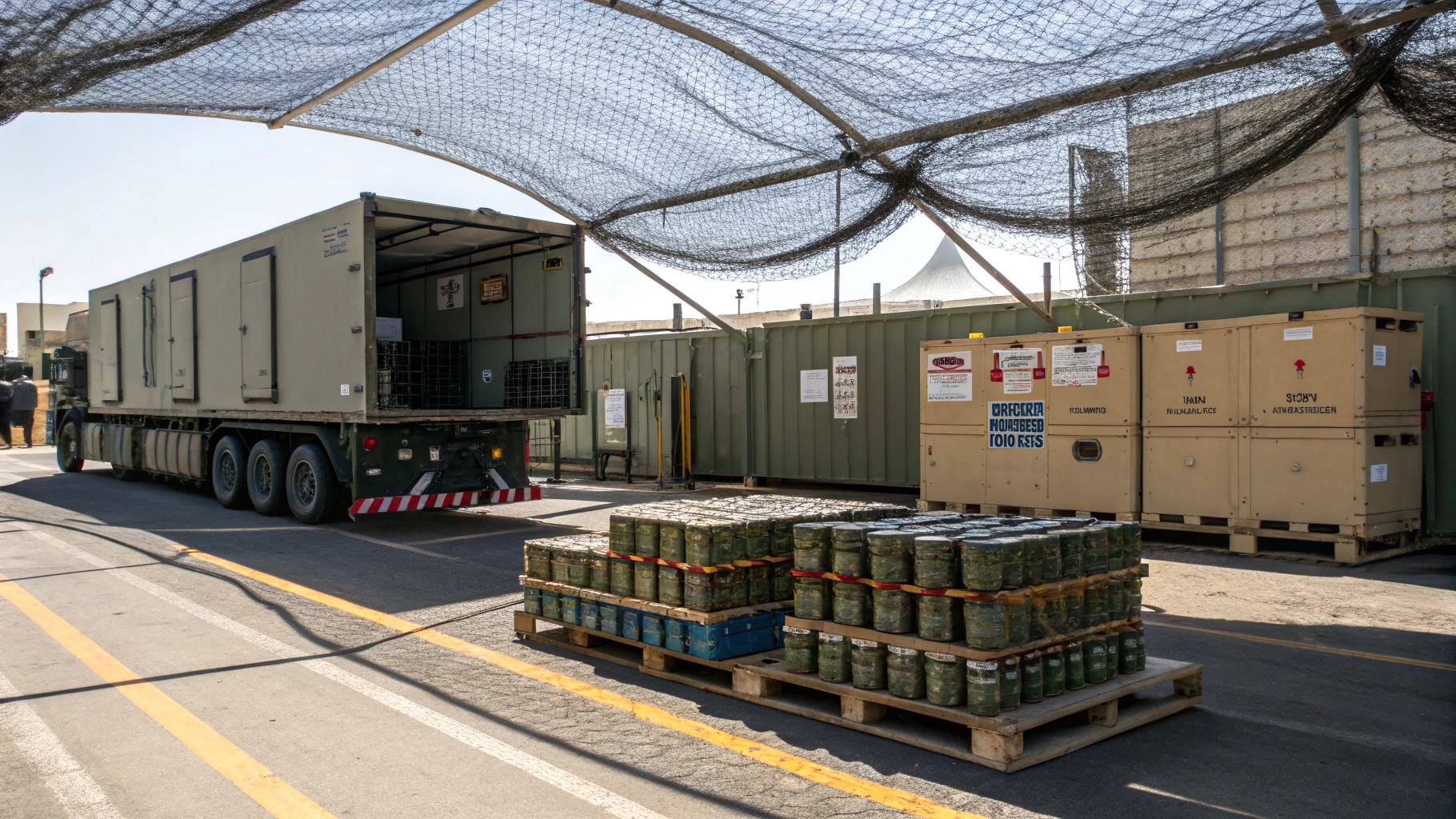
As part of the award, L3Harris will supply the complete Red Wolf system for the AH-1Z, including the munitions, training and technical documentation, support infrastructure, and test equipment, with deliveries scheduled to be completed by the end of fiscal year 2027.
Capable of operating at ranges beyond 200 nautical miles (approximately 370 kilometres) and remaining airborne for more than an hour, the Red Wolf dramatically exceeds the engagement envelope of existing helicopter-launched munitions such as the AGM-114 Hellfire and the JAGM.
Current Hellfire variants offer a range of around 34 kilometres, while the JAGM is constrained to roughly 16 kilometres, limiting rotary-wing survivability in contested environments.
In addition to kinetic strike missions, the Red Wolf can perform a variety of non-kinetic roles, including electronic warfare, signal detection, communications relay, and decoy functions. According to the company, these capabilities enable a wider range of platforms to contribute to long-range engagements.
Priced at an estimated $300,000 per unit and designed for production rates of up to 1,000 systems annually, the Red Wolf provides a scalable and affordable option to supplement limited stocks of high-value long-range weapons during prolonged peer-level conflicts.
With the ability to carry payloads of up to 25 pounds, the system can be employed to disrupt or suppress enemy sensor networks prior to follow-on strikes by heavier anti-ship weapons such as LRASM or the Joint Strike Missile.