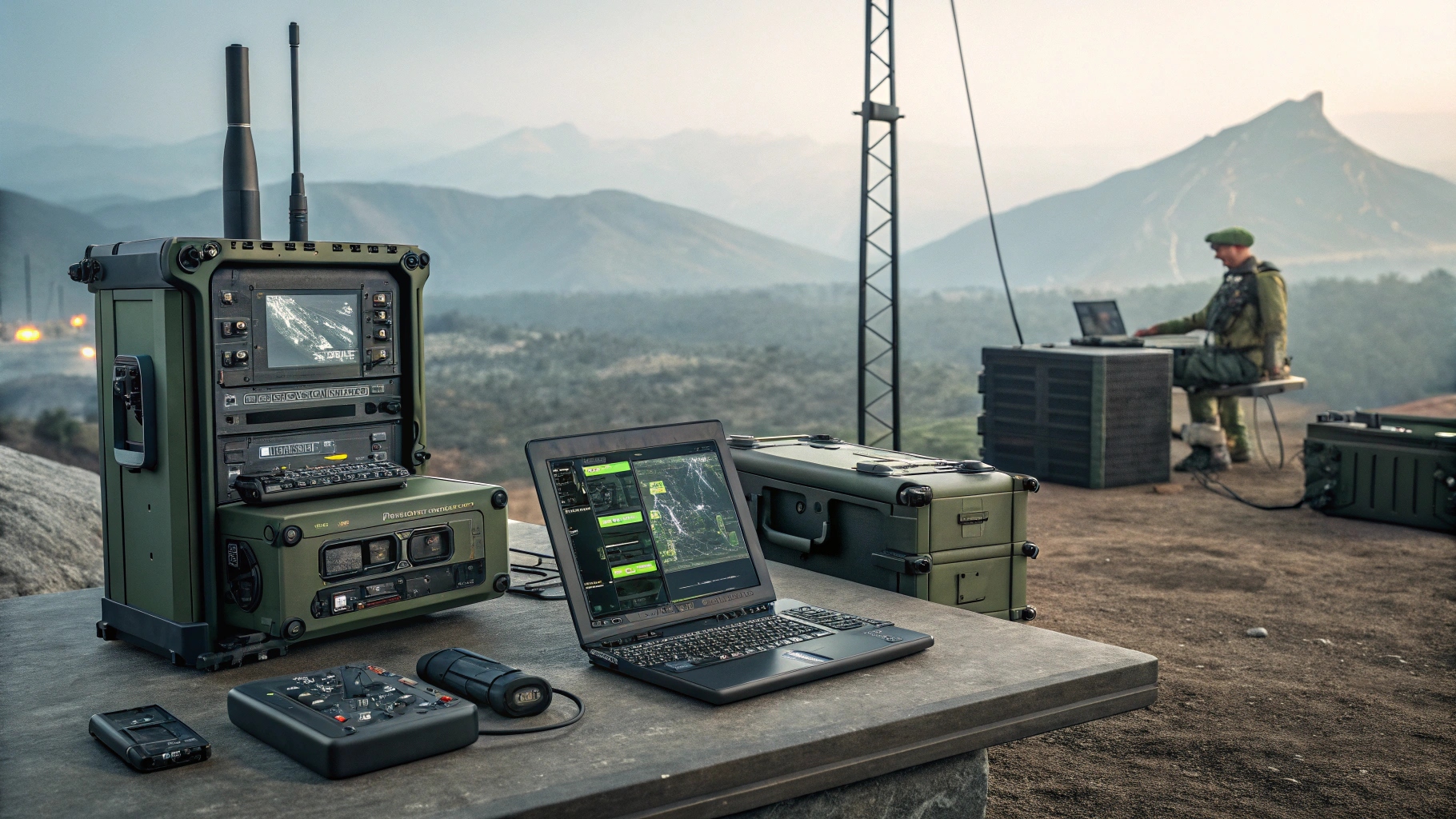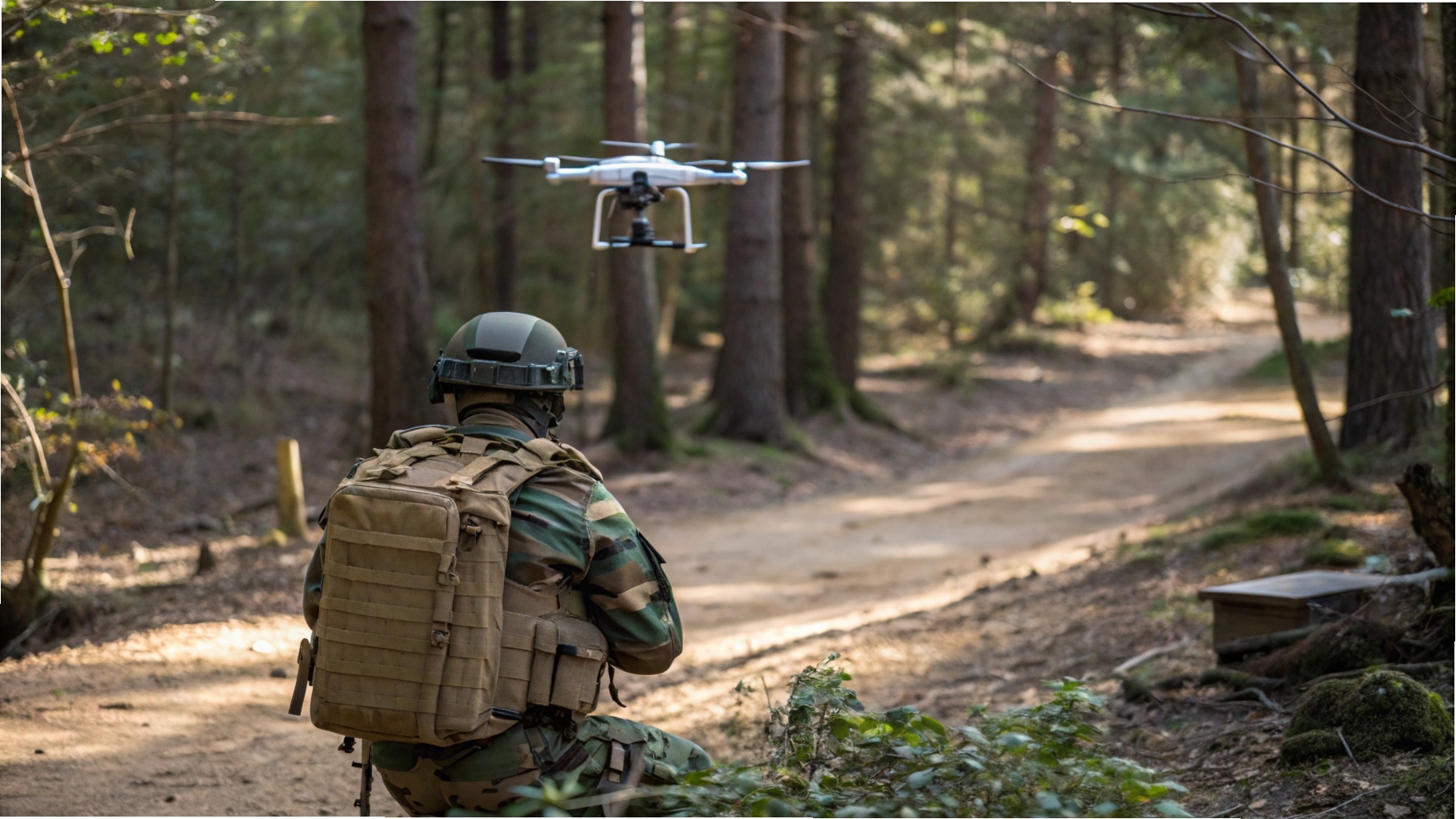

Elbit America has secured a $120.5-million contract from the US Army to create a helmet-mounted mission command system that integrates data from multiple battlefield sensors into a unified visual interface for dismounted troops.
The system, called the Soldier Borne Mission Command (SBMC) platform, will enable soldiers to exchange visual intelligence and threat information instantly across their units, improving both the speed and accuracy of battlefield awareness.
According to the company, the technology will retain its functionality even in contested or degraded operational environments.
Elbit America is collaborating with Booz Allen Hamilton to develop the SBMC software infrastructure, which will incorporate extended-reality features, networked data sharing, and AI-powered analytical tools.
Visual Augmentation System Follow-Up
The SBMC program follows difficulties encountered during the development of the Integrated Visual Augmentation System, which faced several technical and operational setbacks during testing. Early versions of the device prompted complaints from soldiers who reported symptoms such as headaches, nausea, and eye strain.
To overcome these issues, SBMC aims to deliver a more comprehensive mission-command solution that focuses on sensor integration and operational awareness rather than simply providing an augmented-reality display.
Development is being accelerated through rapid prototyping agreements with multiple defense technology companies.
As part of the initiative, Anduril Industries and Rivet Industries have been contracted to produce night-vision and mixed-reality technologies. In addition, Anduril has been assigned responsibility for developing the SBMC software architecture, which will link soldiers’ display data with higher-level command systems.