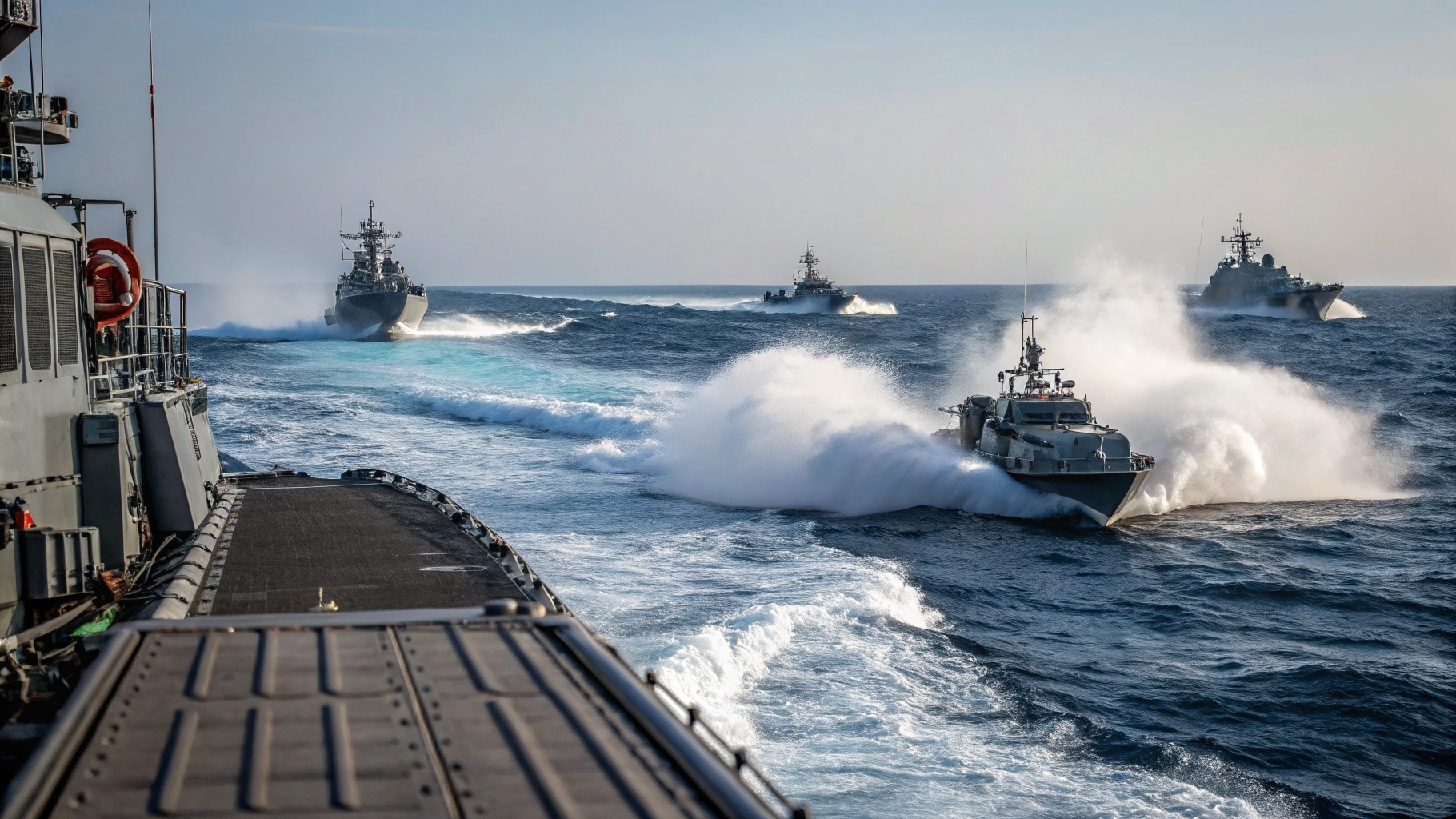

The Belgian Navy has officially taken delivery of its first City-class mine countermeasures vessel, the Oostende (M940), at Zeebrugge Naval Base in Bruges.
The event marks a major step forward in Belgium’s naval modernization initiative under the 2019 Belgian-Dutch Replacement Mine Countermeasure (rMCM) program, a joint effort with the Netherlands to construct 12 vessels—six for each country—through the 2030s.
Each City-class ship features a “stand-off” operational concept, allowing it to detect and neutralize sea mines without directly entering hazardous waters.
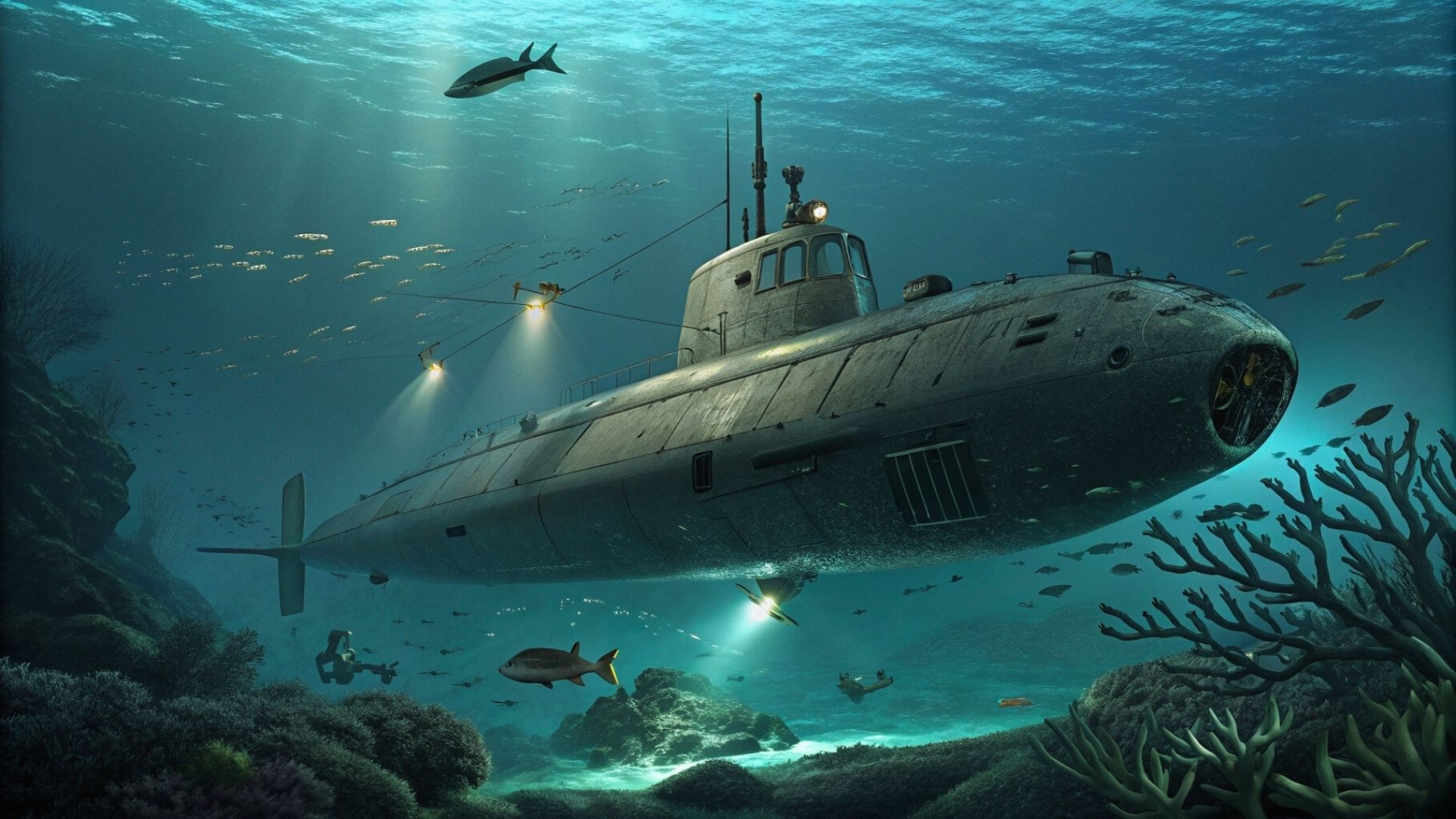
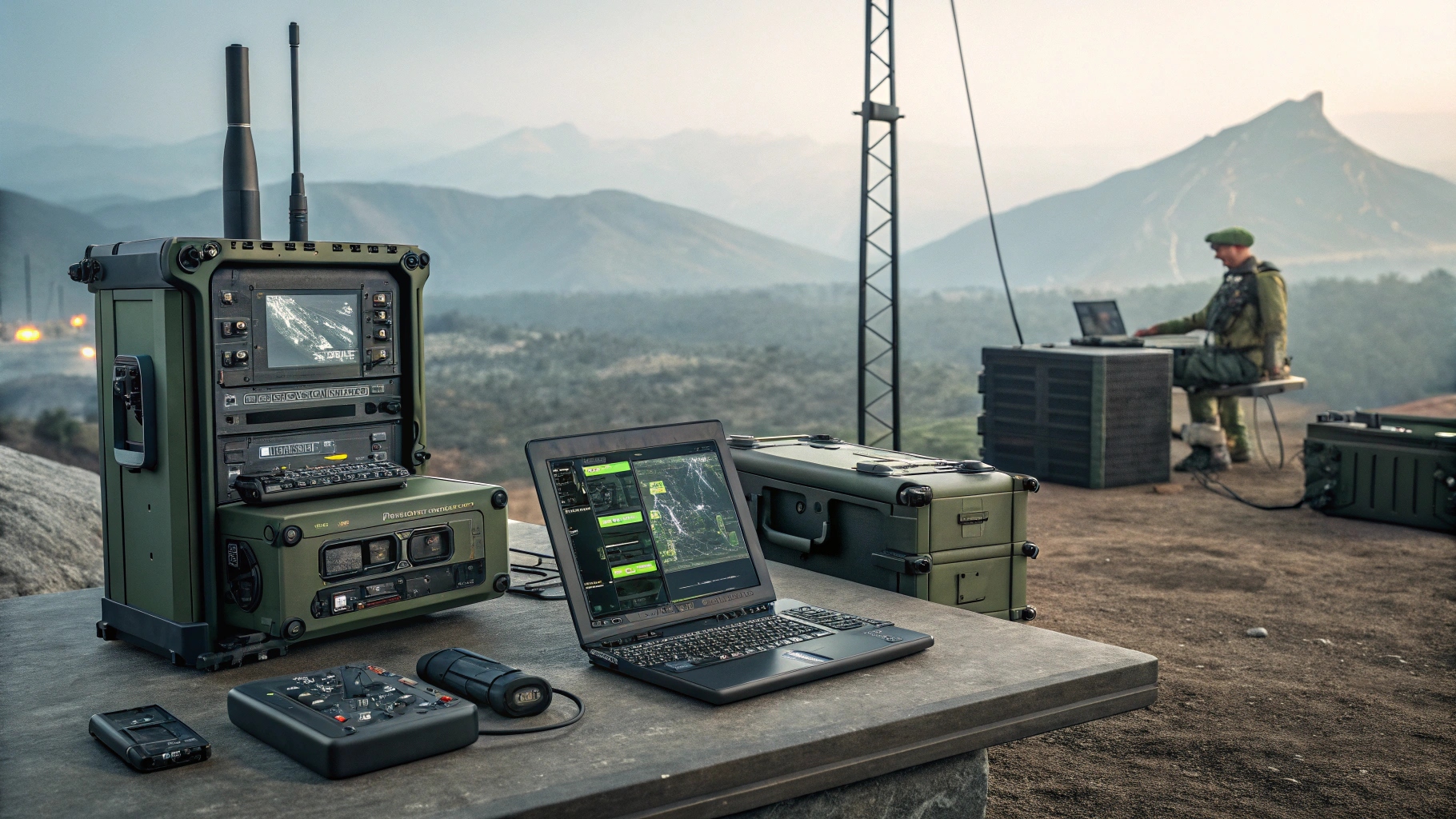
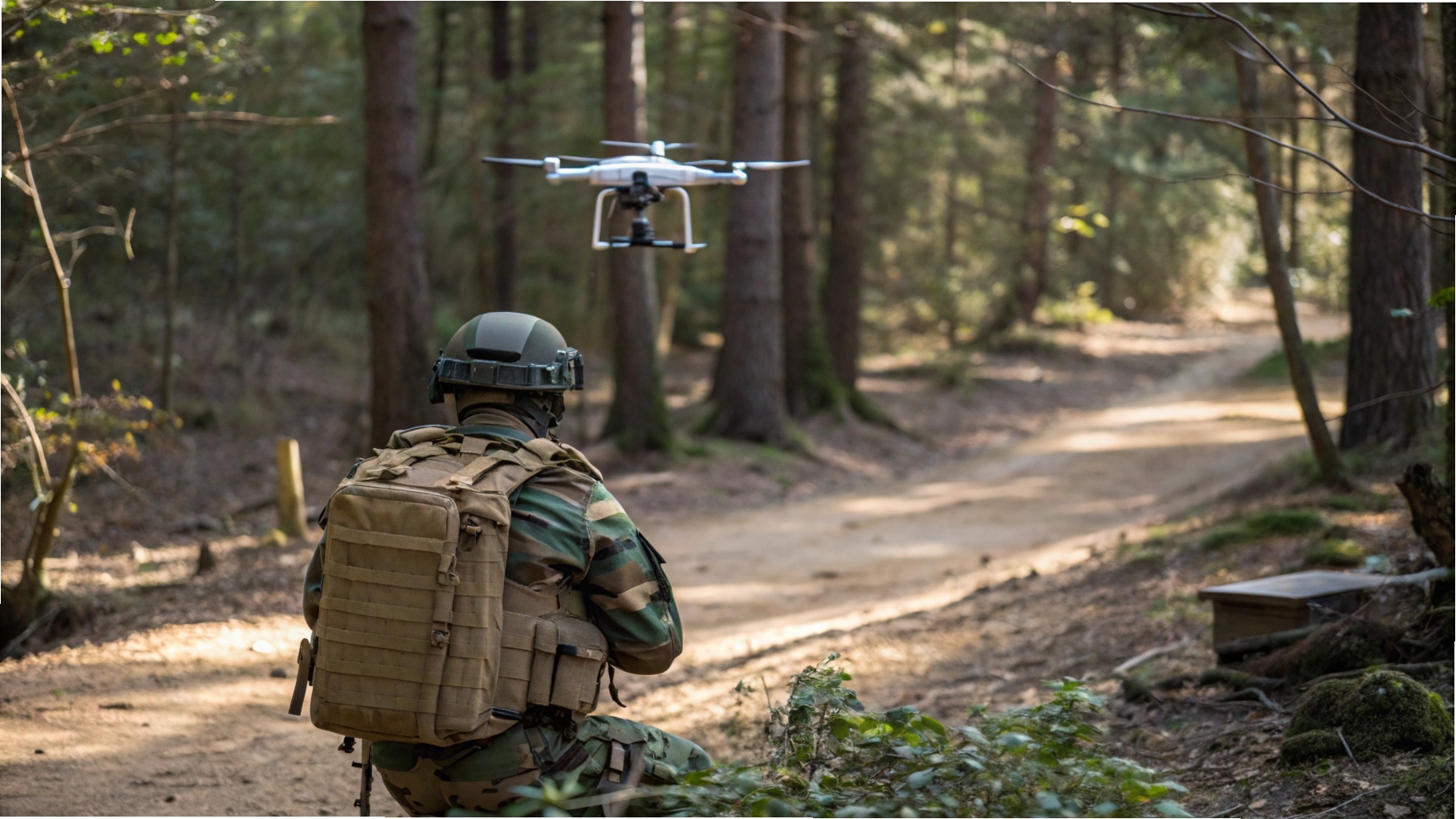
The vessel employs an integrated suite of surface, underwater, and aerial drones that remotely identify and eliminate explosives, minimizing risks to personnel.
Once fully commissioned, these ships will replace the Tripartite-class and Alkmaar-class minehunters, which have served Belgium and the Netherlands since the 1980s.
The City-class minehunter measures 82 meters (269 feet) in length and can accommodate over 60 personnel.
Powered by three diesel generators and twin electric motors, the vessel achieves speeds up to 15 knots (28 km/h or 17 mph) and a range exceeding 3,500 nautical miles (6,482 km or 4,028 miles).
In addition to drone-based minehunting systems, the ship carries dredgers, cranes, inflatable boats, ID/destruction units, and acoustic modules to strengthen its countermeasure operations.
For defense, it is equipped with a naval gun, heavy and general-purpose machine guns, water cannons, and long-range acoustic deterrent systems.
The rMCM program is managed by Belgium Naval & Robotics, a collaboration between France’s Naval Group and Exail.