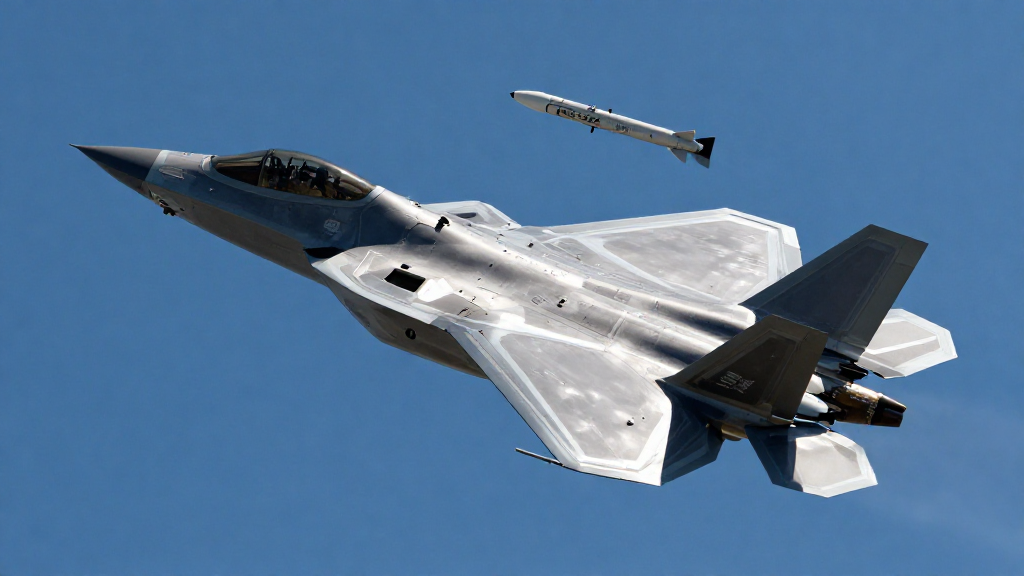

Negotiations surrounding the acquisition of 114 Rafale fighter jets are beginning to reflect a well-known precedent in India’s defence journey — the landmark decision to domestically produce 240 Su-30MKI aircraft in partnership with Russia.
That agreement reshaped India’s aerospace industry. Beyond procuring a high-performance fighter, the objective was to establish a durable domestic manufacturing capability capable of supporting the aircraft over its operational life. The emerging Rafale framework appears to draw from that experience, but with sharper demands for technology transfer and deeper industrial participation.
India’s move toward licensed production of the Su-30MKI marked a turning point. Hindustan Aeronautics Limited gradually developed expertise in assembling and maintaining the platform within the country, significantly reducing dependence on external suppliers.
The strategic dividends of that choice have become clearer amid Russia’s ongoing war in Ukraine, which has disrupted global defence supply chains. Despite these pressures, India’s Su-30MKI fleet has maintained operational continuity, supported by local manufacturing and an established maintenance ecosystem.
The programme also stimulated the growth of a domestic supplier base, enabling Indian companies to gain technical know-how and embed themselves in the aerospace production chain.
Reapplying the Model to Rafale
The 114 Rafale proposal appears to adopt a comparable framework. India is pushing for substantial in-country production rather than relying purely on imported aircraft. The plan envisions creating a domestic assembly line and strengthening a local industrial network to support long-term operations.
However, the current negotiations reportedly involve more rigorous and measurable technology transfer clauses. The emphasis is on deeper localisation and enhanced industrial capability, rather than simple assembly under license.
The long-term goal is to minimise reliance on foreign supply chains for sustainment, upgrades, and spare parts over the aircraft’s decades-long service life.
Securing Long-Term Autonomy
Military platforms are long-term investments, often spanning 30 to 40 years of service. During that period, geopolitical shifts, sanctions, or diplomatic tensions can disrupt supply networks.
By anchoring Rafale production and support within India, policymakers aim to reduce strategic vulnerability. A domestic ecosystem offers insulation against external shocks and ensures consistent fleet readiness.
This logic underpinned the Su-30MKI programme and appears to guide current thinking on the Rafale deal.
A Higher Bar for Technology Transfer
While the Su-30MKI initiative concentrated on licensed production, the Rafale discussions reportedly prioritise substantive technology absorption and stronger industrial participation.
At the same time, the Rafale platform is expected to retain its core French architecture, without extensive integration of indigenous avionics or mission systems. Localisation efforts are therefore focused more on production depth and weapons ecosystem support than on reconfiguring the aircraft’s core systems.
Should the agreement materialise, the 114 Rafale deal will represent both continuity and evolution. It seeks to replicate the industrial stability achieved during the Su-30MKI era while demanding more structured technology transfer commitments and greater supply chain independence.
In many respects, it is a familiar strategy — but executed with tighter expectations, clearer benchmarks, and significantly higher geopolitical stakes.