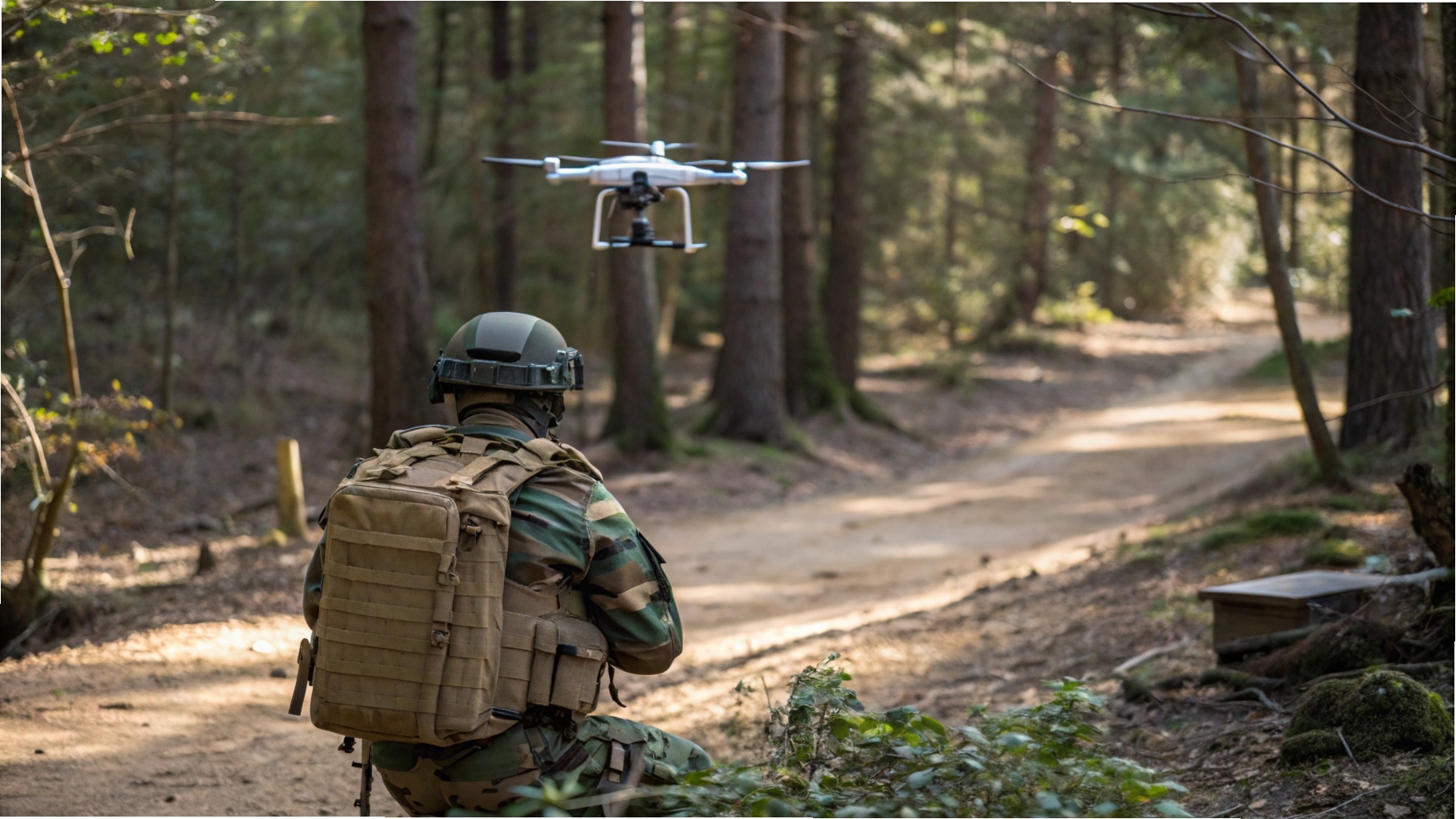

Three NATO members — Estonia, Latvia, and Belgium — have begun receiving BLAZE autonomous interceptor drones from Origin Robotics, becoming the first European militaries to field a domestically developed, fully autonomous system designed specifically to counter hostile unmanned aerial threats.
Deliveries began in January, only months after procurement decisions were announced, reflecting an accelerated acquisition cycle enabled by Origin Robotics’ modular and NATO-interoperable design approach. The Latvia-headquartered firm developed the system with a STANAG-compliant warhead module and a rapid-integration architecture aligned with alliance standards.
Latvia placed its initial order in October 2025, Belgium followed in November with a €50 million defence allocation for counter-drone systems, and Estonia joined the programme shortly thereafter. The systems are being delivered in batches, with all three countries now moving into the integration and operationalisation phase within their national air and missile defence frameworks.
Origin Robotics states that BLAZE is operational at the point of delivery and ready for immediate deployment, highlighting a shift away from multi-year induction cycles that traditionally characterise major defence programmes. National evaluation bodies — including Latvia’s Autonomous Systems Competence Center — will assess performance and define integration models within existing air defence architectures.
The Rise of Autonomous Counter-UAS Systems
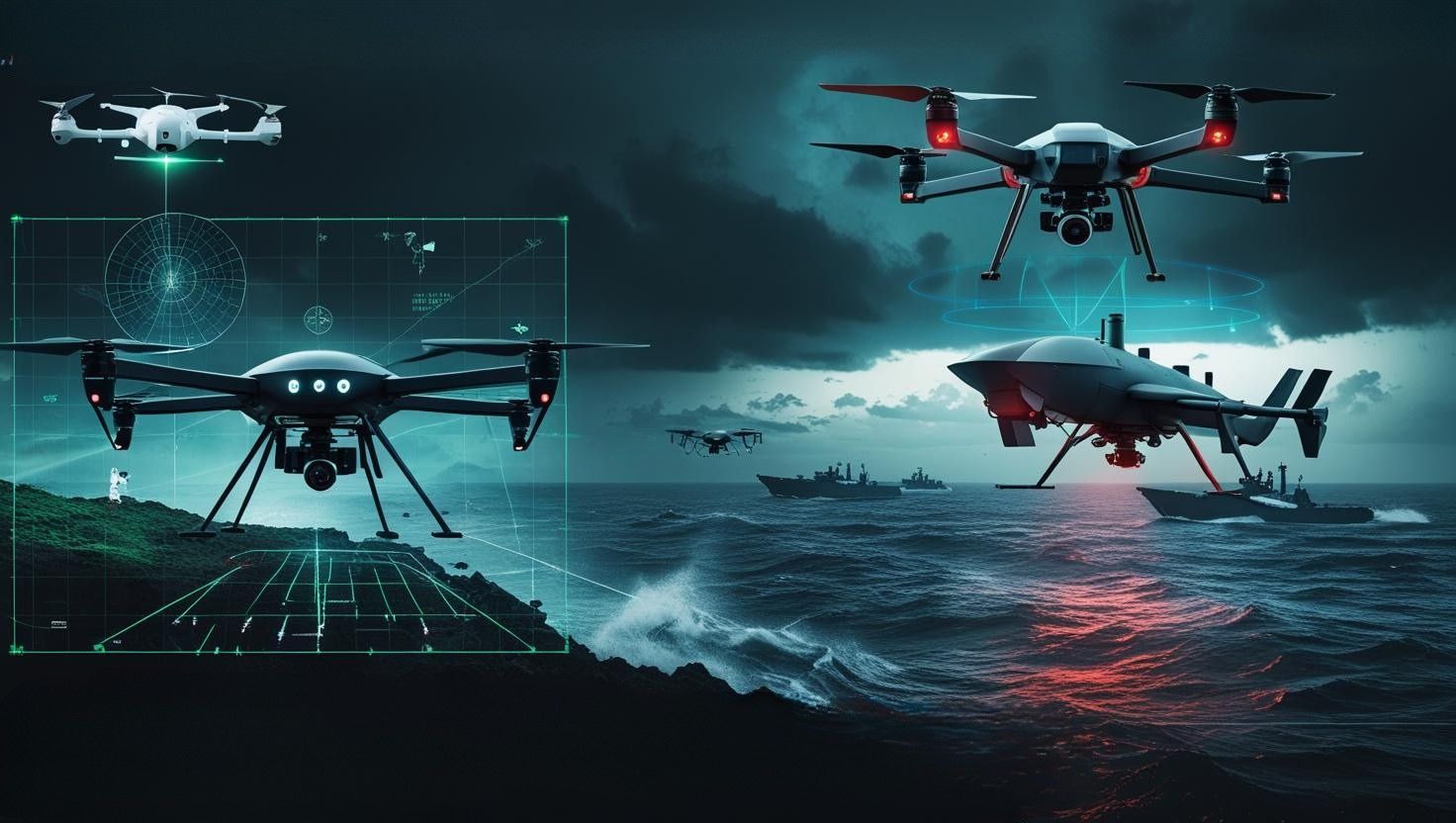
Autonomous interceptor drones represent a new class of counter-UAS capability, using AI-driven onboard sensors to autonomously detect, track, and engage hostile UAVs without continuous human input. Unlike traditional man-in-the-loop systems, these platforms conduct real-time threat assessment and engagement decisions in dynamic operational environments.
Globally, similar concepts are gaining momentum. The United States has integrated Fortem Technologies’ DroneHunter systems into its counter-drone programmes, enabling autonomous detection and interception of small UAVs through AI, radar, and net-based capture technologies, either as standalone assets or in coordinated defensive swarms.
Elsewhere, Ukraine and the United Kingdom have launched joint production of the Octopus-100 autonomous interceptor drone, designed for autonomous mid-air destruction of enemy UAVs, with early production strengthening allied industrial cooperation in 2025. Israel has also advanced autonomous counter-UAS development through national trials involving radar-guided interceptor drones and AI-enabled spatial systems, tested across multiple domestic manufacturers.