
KNDS and TYTAN Technologies have formalised an expanded partnership to advance mobile counter-drone capabilities for Germany’s military land forces. Under a newly signed memorandum of understanding, the two companies will deepen cooperation on counter-UAS technologies, building on earlier joint integration efforts already demonstrated with the Bundeswehr.
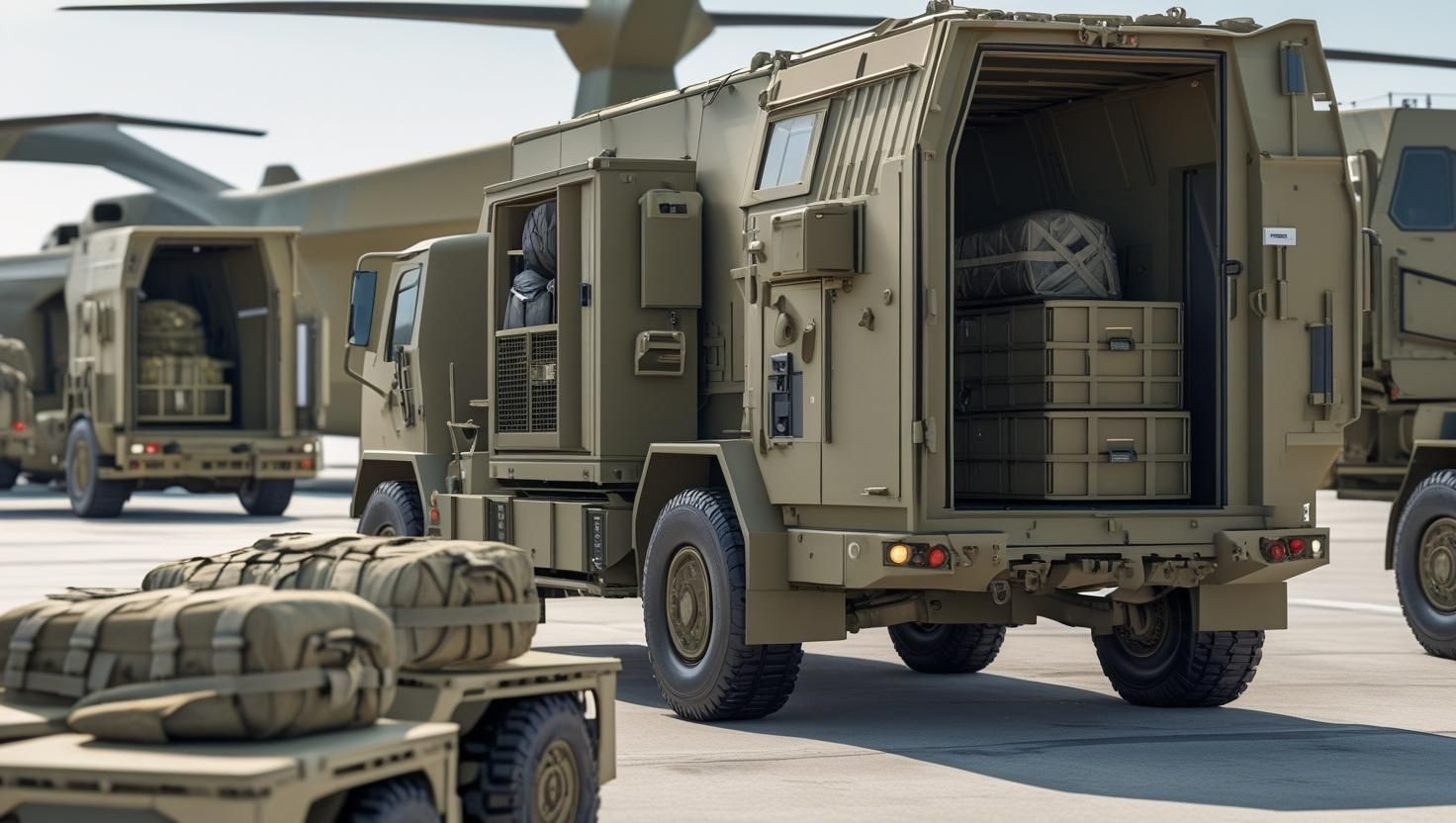
Central to the collaboration is TYTAN’s kinetic Interceptor-S system, which has been integrated into the compartment module of the BOXER RCT30. This configuration was previously evaluated during Bundeswehr technology trials in Munster and Bergen—facilities used to assess emerging systems for potential operational induction.
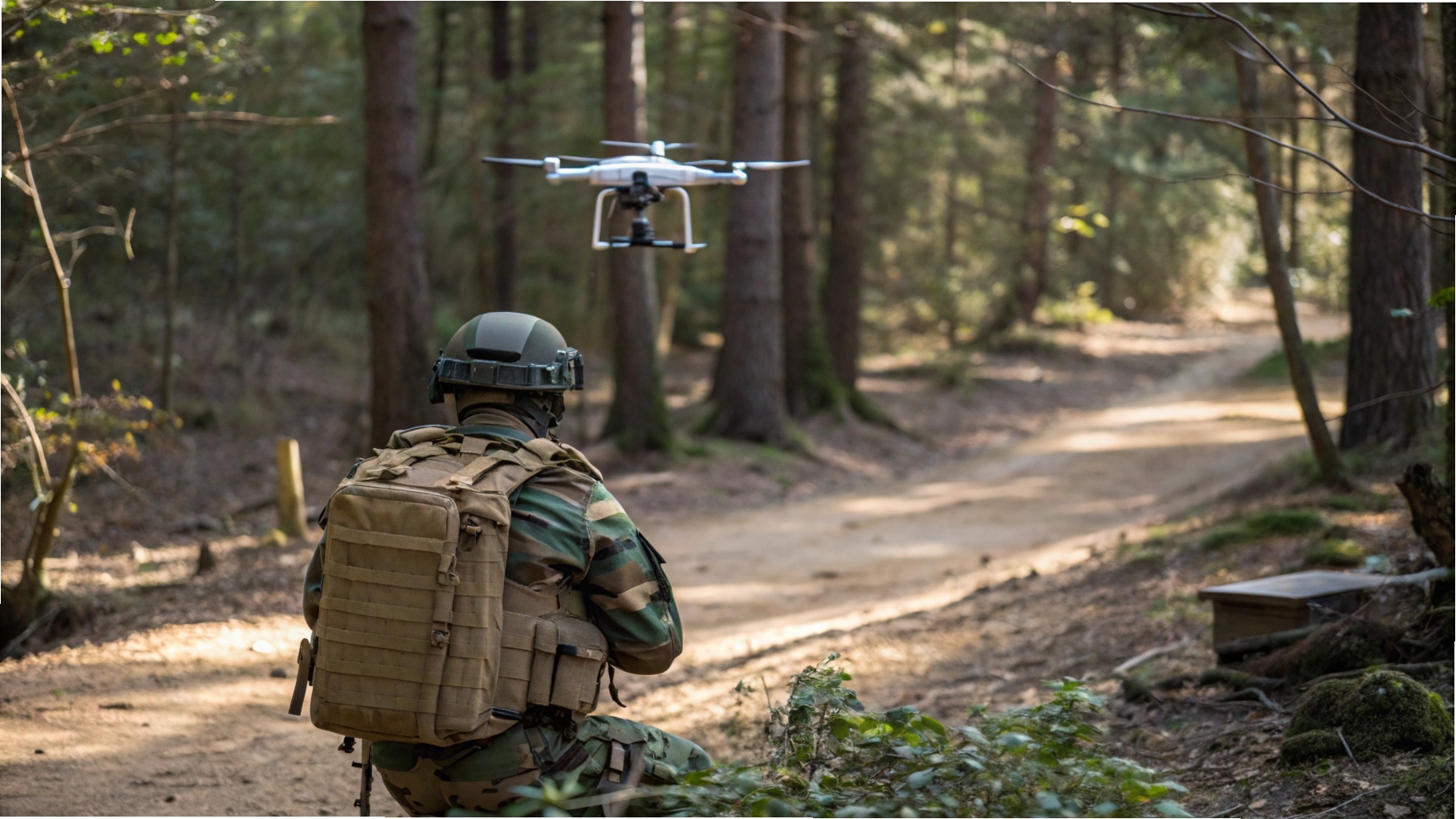
The expanded cooperation focuses on deploying counter-drone solutions capable of protecting armoured vehicles and their crews from unmanned aerial threats. The concept is based on drone-on-drone interception, an approach that is gaining traction as armed forces confront the rapid spread of low-cost, adaptable unmanned systems in contested environments.
The agreement also extends beyond immediate platform integration, covering joint development of a future European standard for mobile UAS launch solutions—signalling ambitions to shape long-term continental frameworks for mobile counter-drone operations.
Germany’s Expanding Counter-UAS Architecture
The KNDS–TYTAN initiative reflects a broader national effort to strengthen Germany’s counter-drone posture. Over recent years, German defence industry players have accelerated investment in mobile and layered counter-UAS capabilities to address growing vulnerabilities to small unmanned systems.
Rheinmetall’s Skyranger 30 programme represents a key pillar of this effort. Announced in 2023, the system integrates radar, electro-optical sensors, and a cannon for engaging drones and short-range aerial threats, and was selected as part of Germany’s wider drive to modernise short-range air defence after prolonged capability shortfalls.
Hensoldt has also expanded its role through the delivery of specialised radar and sensor systems optimised for small-drone detection between 2022 and 2024, supporting both base defence and mobile air defence missions. The company has since entered into a cooperation agreement with TYTAN to further develop counter-UAS solutions.
Smaller technology firms have also contributed to this ecosystem. Dedrone, originally founded in Germany, provided drone detection and identification technologies evaluated for military and security use, both prior to and following its acquisition by US-based Axon in 2024.