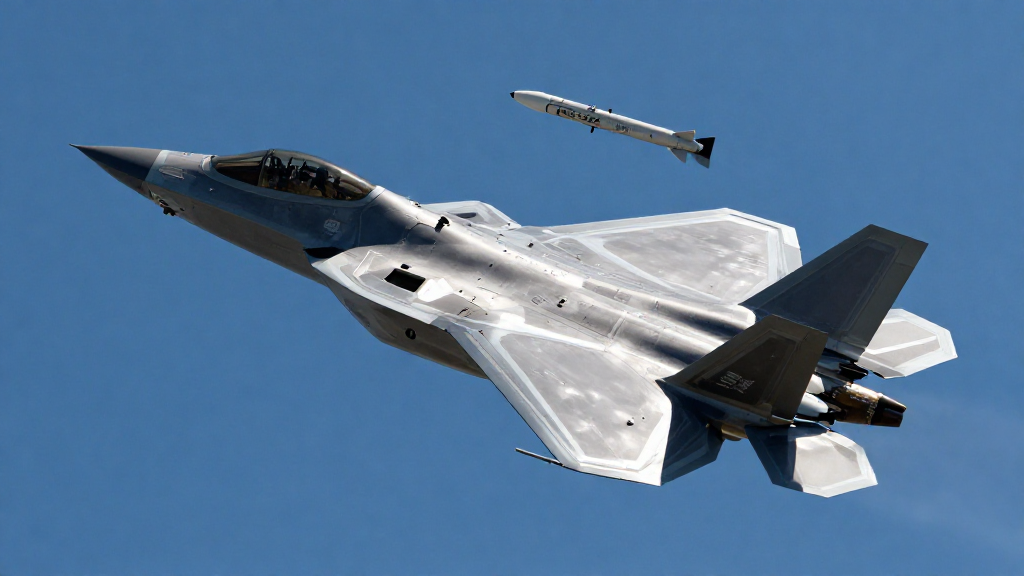

India is exploring potential involvement in one of Europe’s sixth-generation fighter jet programs, holding discussions with both leading consortiums as part of a long-term effort to strengthen its aerospace sector and global defense positioning. The initiative underscores New Delhi’s ambition to participate in next-generation combat aircraft development while leveraging its growing industrial base to influence costs and supply chains.
Europe’s rival programs—Future Combat Air System (FCAS) and Global Combat Air Programme (GCAP)—aim to dominate the air combat landscape in the 2040–2050 period and are reportedly open to India’s inclusion. In addition to financial contributions, India is seen as a valuable launch customer whose involvement could enhance production scale, improve program sustainability, and boost export opportunities. Early induction by the Indian Air Force would provide a strong foundation for long-term production stability.
European interest is further driven by India’s expanding aerospace manufacturing capabilities, built through indigenous initiatives such as the Advanced Medium Combat Aircraft (AMCA). Progress in areas like stealth technologies, sensor integration, and avionics systems positions India as a credible contributor to future sixth-generation platforms.
India’s participation could play a significant role in lowering unit costs, a critical factor in the global fighter jet market. While Chinese systems benefit from large domestic production volumes and US platforms achieve cost efficiency through international sales, European programs often face higher costs due to limited production runs. India’s involvement could help bridge this gap by expanding manufacturing scale and reducing per-unit expenses.
Integrating Indian companies into the supply chain would also support distributed production, minimize bottlenecks, and create a more competitive ecosystem. With strengths in software, avionics, precision engineering, and an emerging private-sector base, India presents a strong case as a partner in high-technology defense programs.
For New Delhi, joining such a program offers more than access to advanced aircraft—it provides an opportunity to integrate into the global aerospace ecosystem, gain exposure to technologies like autonomous teaming, AI-enabled combat systems, and next-generation propulsion, and accelerate domestic innovation beyond the AMCA initiative.